

U.S. tariff regime shifts again as Trump administration prepares Section 301 duties
After the U.S. Supreme Court struck down the emergency tariff framework used by President Donald Trump, the administration is moving through another legal basis to keep import duties in place. The latest transition is driving a rush in shipping activity and adds to business uncertainty as existing Section 122 tariffs near expiration.
Highlights
- Section 122 tariffs will expire this week, and the U.S. will impose a new Section 301 tariff on Brazil imports on Wednesday, ensuring continued protectionism.
- Importers and shippers are accelerating freight, driving record Port of Los Angeles cargo in June and surging container rates ahead of the upcoming tariff changes.
- U.S.-China tensions persist as officials fear Beijing is backtracking on October Trump-Xi agreements, while China maintains leverage through rare-earth controls.
Tariff transition and legal timetable
As reported by Financial Times, the administration formally replaced the IEEPA tariffs in February with Section 122 balance-of-payments tariffs after the Supreme Court ruling against the earlier emergency duties. That substitute is now nearing its own deadline, with the Section 122 measures expiring this week as officials race to prepare Section 301 tariffs.The changeover is shaping up to be disorderly rather than a clean policy handoff. The article says the U.S. is set to impose a new tariff on imports from Brazil on Wednesday, while the current Section 122 tariffs expire two days later, reinforcing expectations that a broad wall of duties will remain in place under a different authority.
Trade and logistics impact
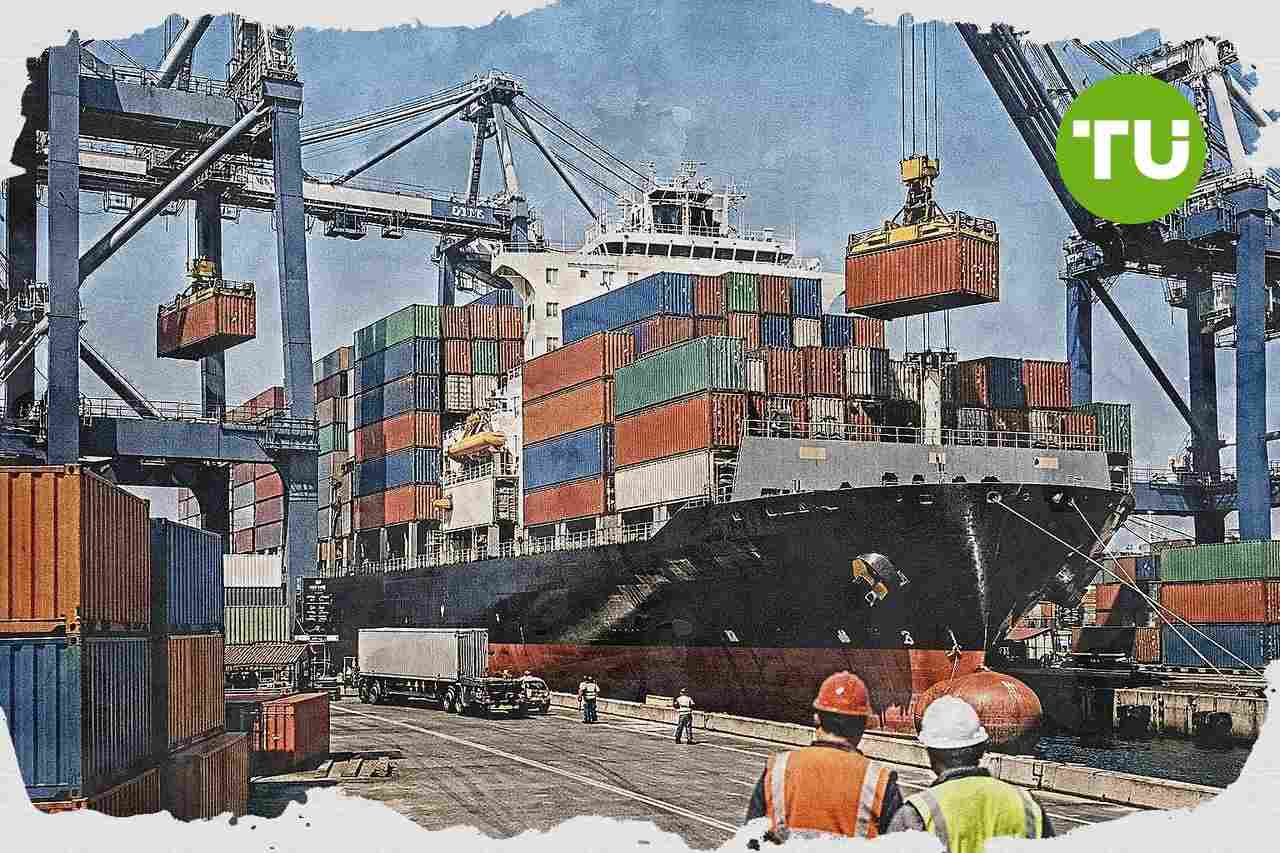
Importers and shippers are already responding to the pending tariff shift by accelerating cargo movements before the new duties take effect. Container rates are surging, and the Port of Los Angeles handled a record amount of cargo in June, highlighting the operational effects across supply chains.The broader economic view in the article is that the Trump tariffs are not economically catastrophic, but they create significant disruption and complexity for business. It also points to tension with China, saying reports داخل the U.S. administration show concern that Beijing is reneging on terms agreed by Trump and President Xi Jinping in their October meeting, while China retains leverage through rare-earth controls.
Our earlier report on the Middle East-driven surge in U.S. gasoline prices explained how renewed fighting and risks to shipping through the Strait of Hormuz pushed pump prices back above $4 per gallon. It also outlined how tighter supply conditions, including low U.S. inventories and disruptions linked to attacks on refining infrastructure, added to the upward pressure on energy markets.





Latest Supply Chain News






-
 Afghanistan
-
 Albania
-
 Algeria
-
 Angola
-
 Argentina
-
 Armenia
-
 Australia
-
 Austria
-
 Azerbaijan
-
 Bahamas
-
 Bahrain
-
 Bangladesh
-
 Belarus
-
 Belgium
-
 Bolivia
-
 Botswana
-
 Brazil
-
 Brunei
-
 Bulgaria
-
 Cambodia
-
 Cameroon
-
 Canada
-
 Chile
Chile
-
 China
China
-
 Colombia
-
 Congo
Congo
-
 Costa Rica
-
 Cote d'Ivoire
-
 Croatia
-
 Cuba
Cuba
-
 Cyprus
-
 Czechia
-
 DR Congo
-
 Denmark
-
 Dominican Republic
-
 Ecuador
-
 Egypt
Egypt
-
 El Salvador
-
 Estonia
-
 Eswatini
-
 Ethiopia
-
 Finland
-
 France
-
 Georgia
-
 Germany
-
 Ghana
Ghana
-
 Greece
-
 Haiti
Haiti
-
 Hong Kong
-
 Hungary
-
 India
India
-
 Indonesia
-
 Iran, Islamic republic
-
 Iraq
Iraq
-
 Ireland
-
 Israel
-
 Italy
Italy
-
 Jamaica
-
 Japan
Japan
-
 Jordan
-
 Kazakhstan
-
 Kenya
Kenya
-
 Korea
Korea
-
 Kuwait
-
 Kyrgyzstan
-
 Laos
Laos
-
 Latvia
-
 Lebanon
-
 Lesotho
-
 Libya
Libya
-
 Lithuania
-
 Luxembourg
-
 Madagascar
-
 Malaysia
-
 Malta
Malta
-
 Mauritius
-
 Mexico
-
 Moldova
-
 Mongolia
-
 Montenegro
-
 Morocco
-
 Mozambique
-
 Myanmar
-
 Namibia
-
 Nepal
Nepal
-
 Netherlands
-
 New Zealand
-
 Nigeria
-
 North Macedonia
-
 Norway
-
 Oman
Oman
-
 Pakistan
-
 Palestine
-
 Panama
-
 Papua New Guinea
-
 Paraguay
-
 Peru
Peru
-
 Philippines
-
 Poland
-
 Portugal
-
 Puerto Rico
-
 Qatar
Qatar
-
 Reunion
-
 Romania
-
 Rwanda
-
 Saudi Arabia
-
 Serbia
-
 Singapore
-
 Slovakia
-
 Slovenia
-
 Somalia
-
 South Africa
-
 Spain
Spain
-
 Sri Lanka
-
 Sweden
-
 Switzerland
-
 Syria
Syria
-
 Taiwan
-
 Tajikistan
-
 Tanzania
-
 Thailand
-
 Trinidad and Tobago
-
 Tunisia
-
 Turkey
-
 UAE
UAE
-
 Uganda
-
 Ukraine
-
 United Kingdom
-
United States
-
 Uruguay
-
 Uzbekistan
-
 Venezuela
-
 Vietnam
-
 Yemen
Yemen
-
 Zambia
-
 Zimbabwe
- Forex
- Crypto












