
Brent falls to prewar levels as Middle East supply returns
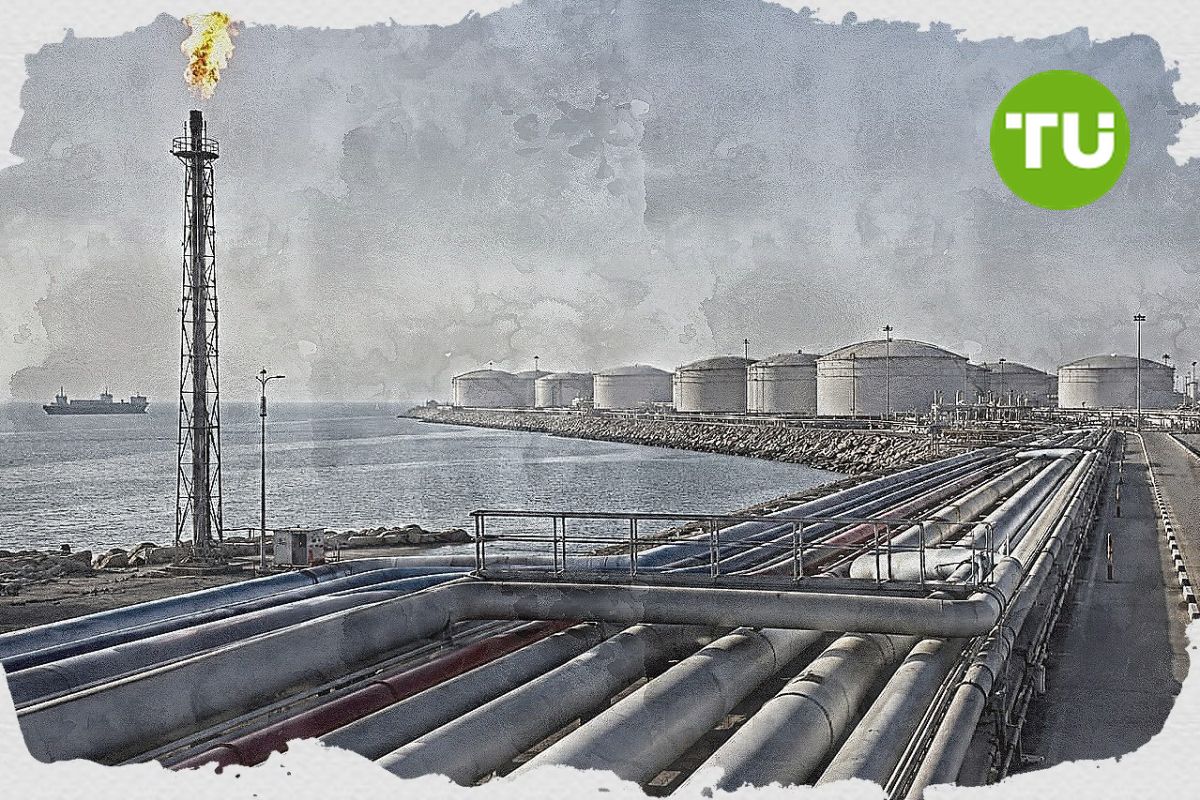
Brent crude has erased its wartime gains as tankers move more freely through the Strait of Hormuz after progress in U.S.-Iran peace talks. The shift has quickly changed the oil market’s mood from supply fear to oversupply concern.
Highlights
- Brent erased all wartime gains as Hormuz traffic increased.
- Brent briefly fell below $72.48, its prewar closing level.
- More oil offers from the Middle East and Africa pressured prices.
- Iran’s warnings to shipowners show Hormuz risks have not disappeared.
Hormuz flows reset the market
Brent crude fell for a fourth consecutive session, briefly dropping below $72.48 a barrel, its prewar closing level, before recovering to $73.20. West Texas Intermediate (WTI) slipped 0.19% to $69.71 a barrel. The move marks a sharp reversal from the rally that followed the start of the war, when fears of disruptions in the Strait of Hormuz pushed oil prices sharply higher, Bloomberg reported. Recent market reports also showed Brent falling back toward prewar levels as traffic through the Strait of Hormuz improved.
The recovery in flows has changed physical oil trading. Buyers are now seeing more offers from the Middle East and Africa, leaving several parts of the market suddenly well supplied. Brent’s prompt spread flipped into contango on Wednesday for the first time since the war began, a bearish signal that near-term supply is no longer tight.
Carolyn Kissane of New York University’s Center for Global Affairs described the reversal as striking, saying the market had quickly moved from pricing conflict risk to pricing more supply and softer demand.
Peace talks ease fears, but risks remain
The U.S. and Iran have both signaled progress after initial talks, though their public accounts have not always aligned. Further negotiations on nuclear policy and a ceasefire in Lebanon are expected to be difficult.
Still, early optimism has been enough to change tanker behavior. More vessels are crossing Hormuz with satellite signals switched on, a sign that shipowners are becoming more comfortable using the route openly again.
The calm is not complete. Iran’s Islamic Revolutionary Guard Corps warned shipowners that any new transit route through Hormuz without coordination with Tehran would be unacceptable and dangerous. The warning shows that Tehran still wants control over the waterway, even after the memorandum of understanding with Washington.
Trump has also made tolls a red line in negotiations, saying the U.S. would reject a final deal if fees were imposed on ships passing through the strait.
The supply shock has flipped
The bigger market message is that the war premium has collapsed faster than expected. Traders are no longer focused only on what could be lost if Hormuz shuts. They are now dealing with barrels returning to the market.
That does not mean the oil market is fully normal. U.S. waivers for already loaded Iranian oil may add supply, but financing and insurance issues could limit sales. Inventories also need rebuilding, including at Cushing, Oklahoma, where stocks fell to about 19 million barrels, below operational comfort levels.
For now, the price signal is clear: Hormuz flows are back, buyers have more choice, and crude has lost the geopolitical premium that dominated trading only weeks ago.
Earlier, we reported that Trump says Strait of Hormuz will remain open and toll-free.


Latest Brent News







-
 Afghanistan
-
 Albania
-
 Algeria
-
 Angola
-
 Argentina
-
 Armenia
-
 Australia
-
 Austria
-
 Azerbaijan
-
 Bahamas
-
 Bahrain
-
 Bangladesh
-
 Belarus
-
 Belgium
-
 Bolivia
-
 Botswana
-
 Brazil
-
 Brunei
-
 Bulgaria
-
 Cambodia
-
 Cameroon
-
 Canada
-
 Chile
Chile
-
 China
China
-
 Colombia
-
 Congo
Congo
-
 Costa Rica
-
 Cote d'Ivoire
-
 Croatia
-
 Cuba
Cuba
-
 Cyprus
-
 Czechia
-
 DR Congo
-
 Denmark
-
 Dominican Republic
-
 Ecuador
-
 Egypt
Egypt
-
 El Salvador
-
 Estonia
-
 Eswatini
-
 Ethiopia
-
 Finland
-
 France
-
 Georgia
-
 Germany
-
 Ghana
Ghana
-
 Greece
-
 Haiti
Haiti
-
 Hong Kong
-
 Hungary
-
 India
India
-
 Indonesia
-
 Iran, Islamic republic
-
 Iraq
Iraq
-
 Ireland
-
 Israel
-
 Italy
Italy
-
 Jamaica
-
 Japan
Japan
-
 Jordan
-
 Kazakhstan
-
 Kenya
Kenya
-
 Korea
Korea
-
 Kuwait
-
 Kyrgyzstan
-
 Laos
Laos
-
 Latvia
-
 Lebanon
-
 Lesotho
-
 Libya
Libya
-
 Lithuania
-
 Luxembourg
-
 Madagascar
-
 Malaysia
-
 Malta
Malta
-
 Mauritius
-
 Mexico
-
 Moldova
-
 Mongolia
-
 Montenegro
-
 Morocco
-
 Mozambique
-
 Myanmar
-
 Namibia
-
 Nepal
Nepal
-
 Netherlands
-
 New Zealand
-
 Nigeria
-
 North Macedonia
-
 Norway
-
 Oman
Oman
-
 Pakistan
-
 Palestine
-
 Panama
-
 Papua New Guinea
-
 Paraguay
-
 Peru
Peru
-
 Philippines
-
 Poland
-
 Portugal
-
 Puerto Rico
-
 Qatar
Qatar
-
 Reunion
-
 Romania
-
 Rwanda
-
 Saudi Arabia
-
 Serbia
-
 Singapore
-
 Slovakia
-
 Slovenia
-
 Somalia
-
 South Africa
-
 Spain
Spain
-
 Sri Lanka
-
 Sweden
-
 Switzerland
-
 Syria
Syria
-
 Taiwan
-
 Tajikistan
-
 Tanzania
-
 Thailand
-
 Trinidad and Tobago
-
 Tunisia
-
 Turkey
-
 UAE
UAE
-
 Uganda
-
 Ukraine
-
 United Kingdom
-
United States
-
 Uruguay
-
 Uzbekistan
-
 Venezuela
-
 Vietnam
-
 Yemen
Yemen
-
 Zambia
-
 Zimbabwe
- Forex
- Crypto











