
Micron shares surge premarket after earnings beat expectations
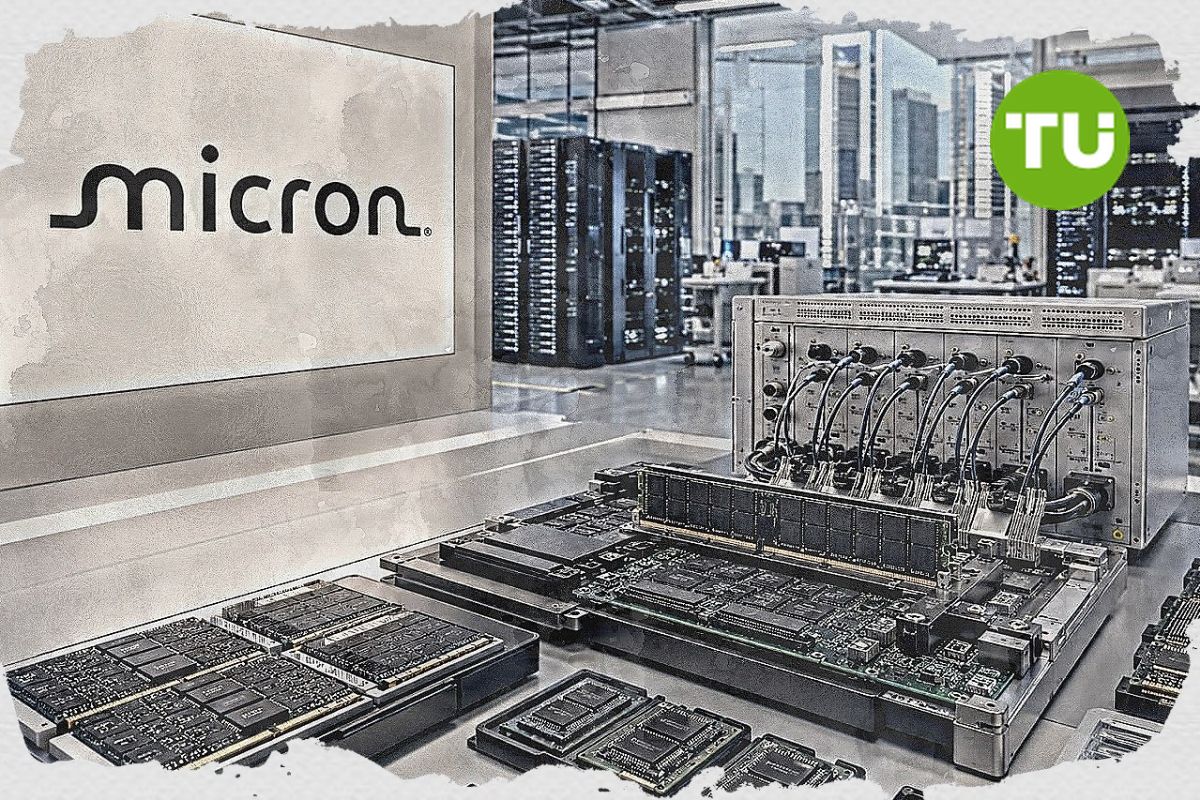
Micron shares surged more than 17% in premarket trading Thursday after the company delivered a sharp earnings beat and a stronger outlook. The results gave investors fresh evidence that spending on artificial intelligence infrastructure continues to translate into real demand for memory chips.
Highlights
- Micron shares rose more than 17% in premarket trading.
- Fiscal third-quarter revenue reached $41.46 billion, above expectations of nearly $36 billion.
- Micron said 16 long-term agreements could bring $22 billion in commitments.
- The results helped revive sentiment across semiconductor stocks.
AI data centers push memory demand higher
Micron reported fiscal third-quarter revenue of $41.46 billion, up from $9.3 billion a year earlier. The figure came in well above analyst expectations of nearly $36 billion, according to LSEG consensus estimates, CNBC reports.
The company also projected revenue of about $50 billion for the current quarter, compared with $11.3 billion in the same period last year. The outlook reinforced the view that the AI infrastructure buildout remains a powerful driver for semiconductor suppliers beyond the most visible graphics-chip makers.
Micron has benefited from a surge in demand for memory used in AI data centers. Large cloud and technology companies are building computing infrastructure that requires vast amounts of memory capacity, reducing supply available for smartphones, personal computers, and other devices. That imbalance has lifted memory prices and strengthened Micron’s margins.
The market reaction was swift. Micron shares were recently up 17.5% before the open, after gaining 723% over the past year. The rally pushed the company’s market value to about $1.2 trillion.
Long-term deals add visibility
Micron said it had signed 16 long-term agreements with customers across data centers, automakers, and other industries. Those contracts cover three to five years and are expected to bring financial commitments of $22 billion.
RBC Capital Markets analysts estimated that roughly 40% of Micron’s revenue could come from long-term contracts that include minimum pricing. That structure may help reduce margin risk if demand softens later in the cycle.
The agreements are significant because memory has historically been a cyclical business, with sharp swings in pricing and supply. Longer-term contracts could give Micron more predictable revenue and help investors assess whether the current upcycle can last into 2027.
Chip rally restores AI confidence
Micron’s earnings helped stabilize a technology sector that had been under pressure earlier in the week. Qualcomm rose about 10% in premarket trading, Intel gained nearly 6%, and AMD advanced 4%.
The move matters because investors have grown more selective about AI valuations. Companies now need to show that AI spending is flowing into revenue, not just future expectations. Micron did that through stronger sales, higher guidance, and long-term customer commitments.
The broader signal is that AI infrastructure demand is still expanding. For now, memory chips remain one of the clearest beneficiaries of that spending cycle.
Earlier, we reported that Micron’s market capitalization topped $1 trillion for the first time in May 2026 amid rising investor excitement over AI infrastructure.


Latest Micron Technology News






-
 Afghanistan
-
 Albania
-
 Algeria
-
 Angola
-
 Argentina
-
 Armenia
-
 Australia
-
 Austria
-
 Azerbaijan
-
 Bahamas
-
 Bahrain
-
 Bangladesh
-
 Belarus
-
 Belgium
-
 Bolivia
-
 Botswana
-
 Brazil
-
 Brunei
-
 Bulgaria
-
 Cambodia
-
 Cameroon
-
 Canada
-
 Chile
Chile
-
 China
China
-
 Colombia
-
 Congo
Congo
-
 Costa Rica
-
 Cote d'Ivoire
-
 Croatia
-
 Cuba
Cuba
-
 Cyprus
-
 Czechia
-
 DR Congo
-
 Denmark
-
 Dominican Republic
-
 Ecuador
-
 Egypt
Egypt
-
 El Salvador
-
 Estonia
-
 Eswatini
-
 Ethiopia
-
 Finland
-
 France
-
 Georgia
-
 Germany
-
 Ghana
Ghana
-
 Greece
-
 Haiti
Haiti
-
 Hong Kong
-
 Hungary
-
 India
India
-
 Indonesia
-
 Iran, Islamic republic
-
 Iraq
Iraq
-
 Ireland
-
 Israel
-
 Italy
Italy
-
 Jamaica
-
 Japan
Japan
-
 Jordan
-
 Kazakhstan
-
 Kenya
Kenya
-
 Korea
Korea
-
 Kuwait
-
 Kyrgyzstan
-
 Laos
Laos
-
 Latvia
-
 Lebanon
-
 Lesotho
-
 Libya
Libya
-
 Lithuania
-
 Luxembourg
-
 Madagascar
-
 Malaysia
-
 Malta
Malta
-
 Mauritius
-
 Mexico
-
 Moldova
-
 Mongolia
-
 Montenegro
-
 Morocco
-
 Mozambique
-
 Myanmar
-
 Namibia
-
 Nepal
Nepal
-
 Netherlands
-
 New Zealand
-
 Nigeria
-
 North Macedonia
-
 Norway
-
 Oman
Oman
-
 Pakistan
-
 Palestine
-
 Panama
-
 Papua New Guinea
-
 Paraguay
-
 Peru
Peru
-
 Philippines
-
 Poland
-
 Portugal
-
 Puerto Rico
-
 Qatar
Qatar
-
 Reunion
-
 Romania
-
 Rwanda
-
 Saudi Arabia
-
 Serbia
-
 Singapore
-
 Slovakia
-
 Slovenia
-
 Somalia
-
 South Africa
-
 Spain
Spain
-
 Sri Lanka
-
 Sweden
-
 Switzerland
-
 Syria
Syria
-
 Taiwan
-
 Tajikistan
-
 Tanzania
-
 Thailand
-
 Trinidad and Tobago
-
 Tunisia
-
 Turkey
-
 UAE
UAE
-
 Uganda
-
 Ukraine
-
 United Kingdom
-
United States
-
 Uruguay
-
 Uzbekistan
-
 Venezuela
-
 Vietnam
-
 Yemen
Yemen
-
 Zambia
-
 Zimbabwe
- Forex
- Crypto











