
The tweet was deleted by the author.
But we saved everything 🙂.
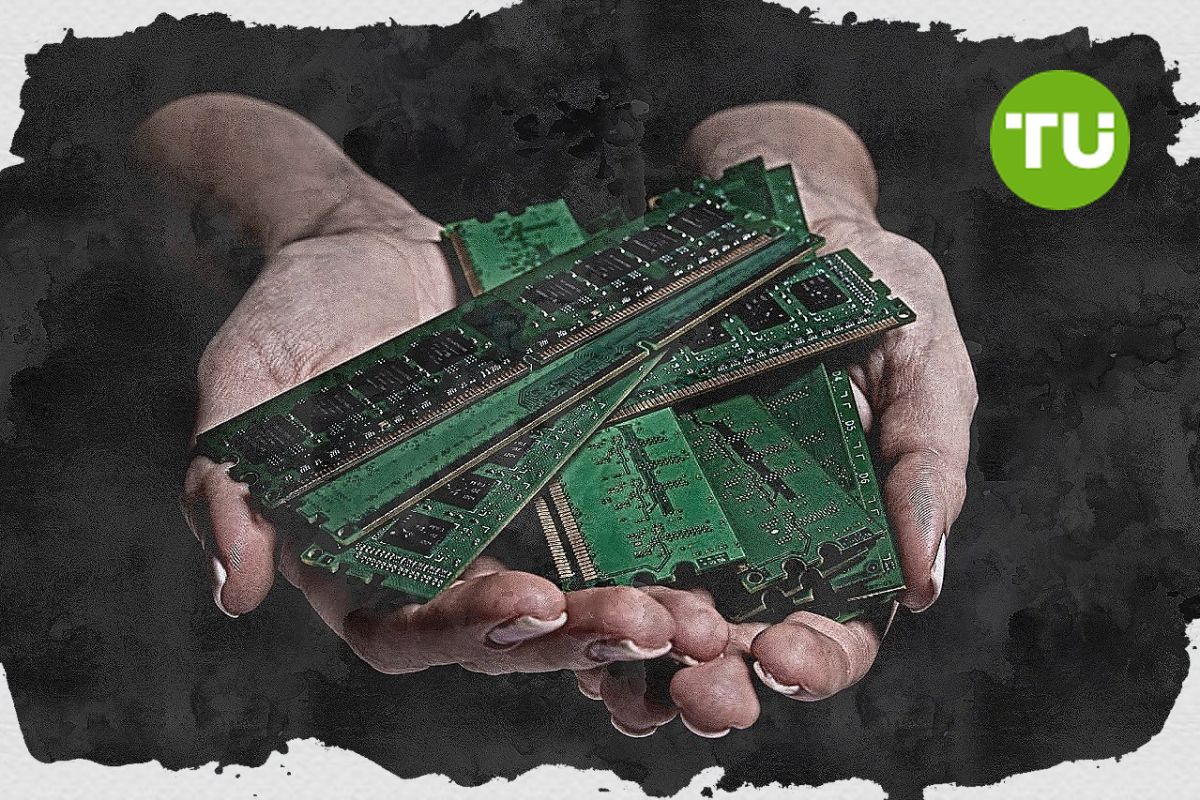
Micron’s market capitalization exceeded $1 trillion for the first time amid growing excitement around AI infrastructure. The company’s shares surged 19% in a single day, marking their best performance since 2011. Investors are increasingly viewing Micron not just as a memory maker, but as one of the important players in the AI race.
According to CNBC, Micron crossed the $1 trillion mark after one of the strongest rallies in its history. On Tuesday, shares of the memory chipmaker rose 19% and closed at $896, posting their best performance in 15 years. The stock reached a record high for the 28th time this year.
The rally was supported by a new UBS estimate. The bank raised its price target for Micron shares from $535 to $1,625, the highest forecast on Wall Street. According to UBS, that level implies more than twofold upside and could lift the company’s market value to roughly $1.8 trillion.
If that scenario plays out, Micron could become one of the largest public companies in the United States. With a market capitalization of around $1.8 trillion, it would move closer to the biggest technology giants and surpass companies such as Tesla, Meta and Berkshire Hathaway by market value.
Micron’s growth is linked to a sharp shift in the memory market. The company produces DRAM and NAND, two key types of chips. DRAM is used for fast data processing while servers, computers and other devices are running, while NAND is responsible for long-term data storage, including in SSDs, smartphones and data centers.
Demand for these components has increased because of the development of AI infrastructure. Data centers need large amounts of memory to train and run AI models, while supply is failing to keep up with demand. Memory chip prices doubled in the first quarter compared with the previous period and could rise by another 63% in the current quarter.
The shortage has already affected not only the AI segment, but also other markets. Demand from data centers has limited memory supplies for smartphones, laptops and cars. Manufacturers are increasingly directing capacity toward higher-margin AI segments, leaving traditional memory buyers facing tougher competition for supplies.
Micron’s rally is part of a broader rise among memory producers. This week, South Korea’s SK Hynix exceeded $1 trillion in market capitalization for the first time, joining Micron and Samsung. Samsung crossed that threshold earlier, while SK Hynix reached a peak market value of $1.12 trillion during trading.
Demand for memory used in AI chips, including Nvidia’s solutions, has supported the entire sector. Shares of SK Hynix have risen more than 200% since the start of the year, Samsung is up roughly 150%, and Micron has gained more than 240%.
Against this backdrop, South Korea became the first country outside the United States to have two companies reach a $1 trillion market capitalization. Samsung and SK Hynix also helped lift the KOSPI index to a record high.
The rally also extended to other semiconductor companies: Marvell Technology, AMD, Intel, Qualcomm, ON Semiconductor and Lam Research are all gaining ground. This shows that the new stage of the AI rally is already moving beyond Nvidia and now includes suppliers of memory, processors and chipmaking equipment.
Micron’s record growth shows that the AI rally is entering a new phase. While Nvidia was previously the main symbol of this trend, investors are now looking more actively at companies without which AI infrastructure cannot scale. Memory producers have moved to the center of this process because data centers need not only graphics processors, but also huge amounts of memory chips.
However, such growth makes Micron shares more sensitive to expectations. After the sharp rally, the market will closely watch whether the company can maintain high prices, expand supplies and preserve its advantage amid competition with Samsung and SK Hynix. Any signs of slowing demand or easing shortages could increase volatility in the sector.
For Micron itself, this means moving into a different weight class. After reaching a $1 trillion market capitalization, the company will be compared not only with memory producers, but also with the largest U.S. technology groups. That raises the bar for future earnings reports: investors will expect not a one-time gain from the shortage, but proof that Micron has truly secured its place in the global AI infrastructure supply chain.

 Afghanistan
 Albania
 Algeria
 Angola
 Argentina
 Armenia
 Australia
 Austria
 Azerbaijan
 Bahamas
 Bahrain
 Bangladesh
 Belarus
 Belgium
 Bolivia
 Botswana
 Brazil
 Brunei
 Bulgaria
 Cambodia
 Cameroon
 Canada
 Chile
Chile
 China
China
 Colombia
 Congo
Congo
 Costa Rica
 Cote d'Ivoire
 Croatia
 Cuba
Cuba
 Cyprus
 Czechia
 DR Congo
 Denmark
 Dominican Republic
 Ecuador
 Egypt
Egypt
 El Salvador
 Estonia
 Eswatini
 Ethiopia
 Finland
 France
 Georgia
 Germany
 Ghana
Ghana
 Greece
 Haiti
Haiti
 Hong Kong
 Hungary
 India
India
 Indonesia
 Iran, Islamic republic
 Iraq
Iraq
 Ireland
 Israel
 Italy
Italy
 Jamaica
 Japan
Japan
 Jordan
 Kazakhstan
 Kenya
Kenya
 Korea
Korea
 Kuwait
 Kyrgyzstan
 Laos
Laos
 Latvia
 Lebanon
 Lesotho
 Libya
Libya
 Lithuania
 Luxembourg
 Madagascar
 Malaysia
 Malta
Malta
 Mauritius
 Mexico
 Moldova
 Mongolia
 Montenegro
 Morocco
 Mozambique
 Myanmar
 Namibia
 Nepal
Nepal
 Netherlands
 New Zealand
 Nigeria
 North Macedonia
 Norway
 Oman
Oman
 Pakistan
 Palestine
 Panama
 Papua New Guinea
 Paraguay
 Peru
Peru
 Philippines
 Poland
 Portugal
 Puerto Rico
 Qatar
Qatar
 Reunion
 Romania
 Rwanda
 Saudi Arabia
 Serbia
 Singapore
 Slovakia
 Slovenia
 Somalia
 South Africa
 Spain
Spain
 Sri Lanka
 Sweden
 Switzerland
 Syria
Syria
 Taiwan
 Tajikistan
 Tanzania
 Thailand
 Trinidad and Tobago
 Tunisia
 Turkey
 UAE
UAE
 Uganda
 Ukraine
 United Kingdom
United States
United Kingdom
United States
 Uruguay
 Uzbekistan
 Venezuela
 Vietnam
 Yemen
Yemen
 Zambia
 Zimbabwe