

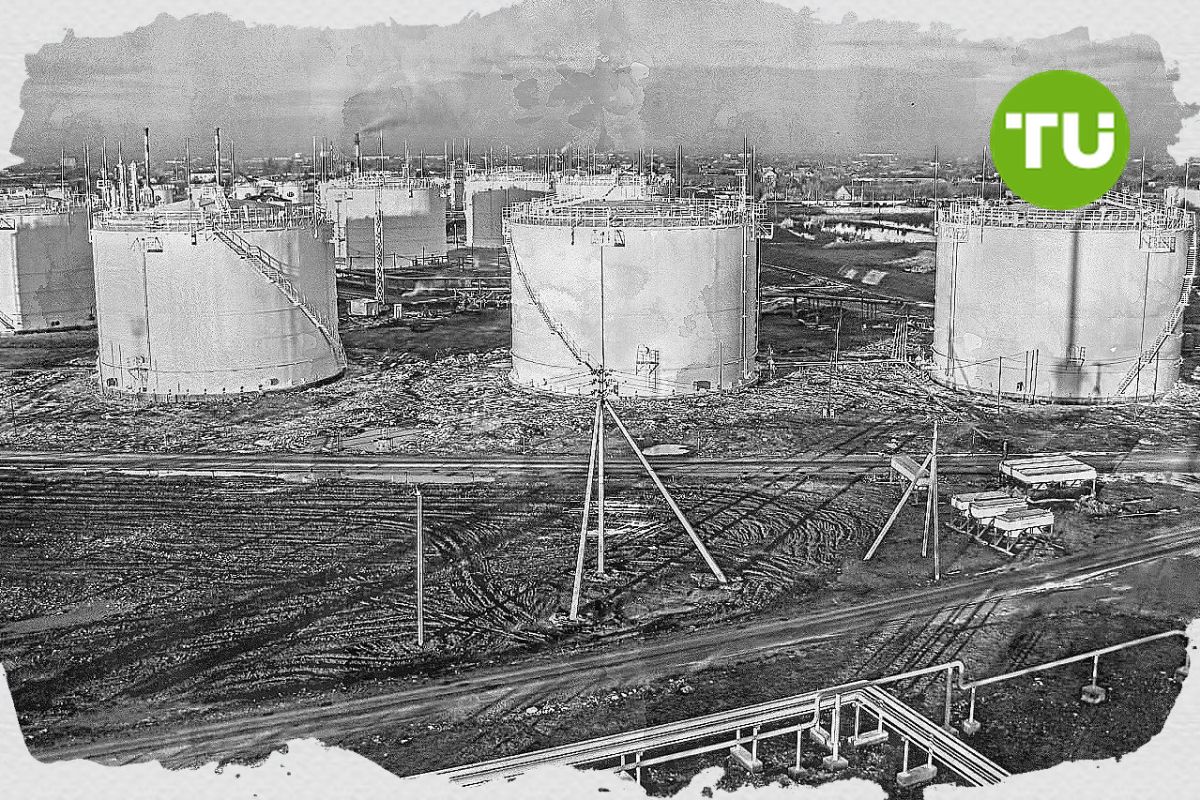
The oil market remains highly sensitive to headlines from the Middle East. After recently surging above $100 per barrel, WTI prices have entered a correction phase and are trading near $94 at the end of May.

Pressure on prices increased after signs of potential progress in negotiations between the United States and Iran, as well as easing concerns over possible supply disruptions through the Strait of Hormuz. Investors have also started taking profits following the sharp rally seen in recent weeks.
Market continues to price in risks around the Strait of Hormuz
Despite the correction, the geopolitical premium in oil prices remains elevated. Around one-fifth of global oil supplies pass through the Strait of Hormuz, meaning any headlines about possible escalation in the region continue to have an immediate impact on prices. Analysts note that the market still cannot rule out the risk of new supply disruptions, especially amid ongoing tensions between Iran and Western countries. As a result, volatility in WTI remains significantly above average levels seen in recent months.
OPEC+ and falling inventories limit downside risks
Additional support for prices continues to come from OPEC+ production cuts and declining US crude inventories. The latest EIA data showed another drop in commercial crude stockpiles, while fuel demand in the United States is gradually strengthening ahead of the summer driving season. At the same time, Saudi Arabia and Russia continue to maintain a cautious stance on increasing production, helping prevent a deeper correction even amid a stronger US dollar.
What’s next for WTI
In the short term, the key drivers for the market will remain developments surrounding Iran, US dollar dynamics, and weekly EIA inventory data. As long as WTI holds above the $90–92 zone, the market retains the potential to return toward $98–100 if geopolitical risks intensify, as previously mentioned in U.S. crude stabilizes after sharp decline. However, further improvement in diplomatic rhetoric and growing concerns over a slowdown in the global economy could increase pressure on oil prices, with risks of a move toward the $88–90 per barrel area.





Latest WTI News




-
 Afghanistan
-
 Albania
-
 Algeria
-
 Angola
-
 Argentina
-
 Armenia
-
 Australia
-
 Austria
-
 Azerbaijan
-
 Bahamas
-
 Bahrain
-
 Bangladesh
-
 Belarus
-
 Belgium
-
 Bolivia
-
 Botswana
-
 Brazil
-
 Brunei
-
 Bulgaria
-
 Cambodia
-
 Cameroon
-
 Canada
-
 Chile
Chile
-
 China
China
-
 Colombia
-
 Congo
Congo
-
 Costa Rica
-
 Cote d'Ivoire
-
 Croatia
-
 Cuba
Cuba
-
 Cyprus
-
 Czechia
-
 DR Congo
-
 Denmark
-
 Dominican Republic
-
 Ecuador
-
 Egypt
Egypt
-
 El Salvador
-
 Estonia
-
 Eswatini
-
 Ethiopia
-
 Finland
-
 France
-
 Georgia
-
 Germany
-
 Ghana
Ghana
-
 Greece
-
 Haiti
Haiti
-
 Hong Kong
-
 Hungary
-
 India
India
-
 Indonesia
-
 Iran, Islamic republic
-
 Iraq
Iraq
-
 Ireland
-
 Israel
-
 Italy
Italy
-
 Jamaica
-
 Japan
Japan
-
 Jordan
-
 Kazakhstan
-
 Kenya
Kenya
-
 Korea
Korea
-
 Kuwait
-
 Kyrgyzstan
-
 Laos
Laos
-
 Latvia
-
 Lebanon
-
 Lesotho
-
 Libya
Libya
-
 Lithuania
-
 Luxembourg
-
 Madagascar
-
 Malaysia
-
 Malta
Malta
-
 Mauritius
-
 Mexico
-
 Moldova
-
 Mongolia
-
 Montenegro
-
 Morocco
-
 Mozambique
-
 Myanmar
-
 Namibia
-
 Nepal
Nepal
-
 Netherlands
-
 New Zealand
-
 Nigeria
-
 North Macedonia
-
 Norway
-
 Oman
Oman
-
 Pakistan
-
 Palestine
-
 Panama
-
 Papua New Guinea
-
 Paraguay
-
 Peru
Peru
-
 Philippines
-
 Poland
-
 Portugal
-
 Puerto Rico
-
 Qatar
Qatar
-
 Reunion
-
 Romania
-
 Rwanda
-
 Saudi Arabia
-
 Serbia
-
 Singapore
-
 Slovakia
-
 Slovenia
-
 Somalia
-
 South Africa
-
 Spain
Spain
-
 Sri Lanka
-
 Sweden
-
 Switzerland
-
 Syria
Syria
-
 Taiwan
-
 Tajikistan
-
 Tanzania
-
 Thailand
-
 Trinidad and Tobago
-
 Tunisia
-
 Turkey
-
 UAE
UAE
-
 Uganda
-
 Ukraine
-
 United Kingdom
-
United States
-
 Uruguay
-
 Uzbekistan
-
 Venezuela
-
 Vietnam
-
 Yemen
Yemen
-
 Zambia
-
 Zimbabwe
- Forex
- Crypto












