
China buyers intensify U.S. tungsten scrap hunt as supply squeeze lifts prices
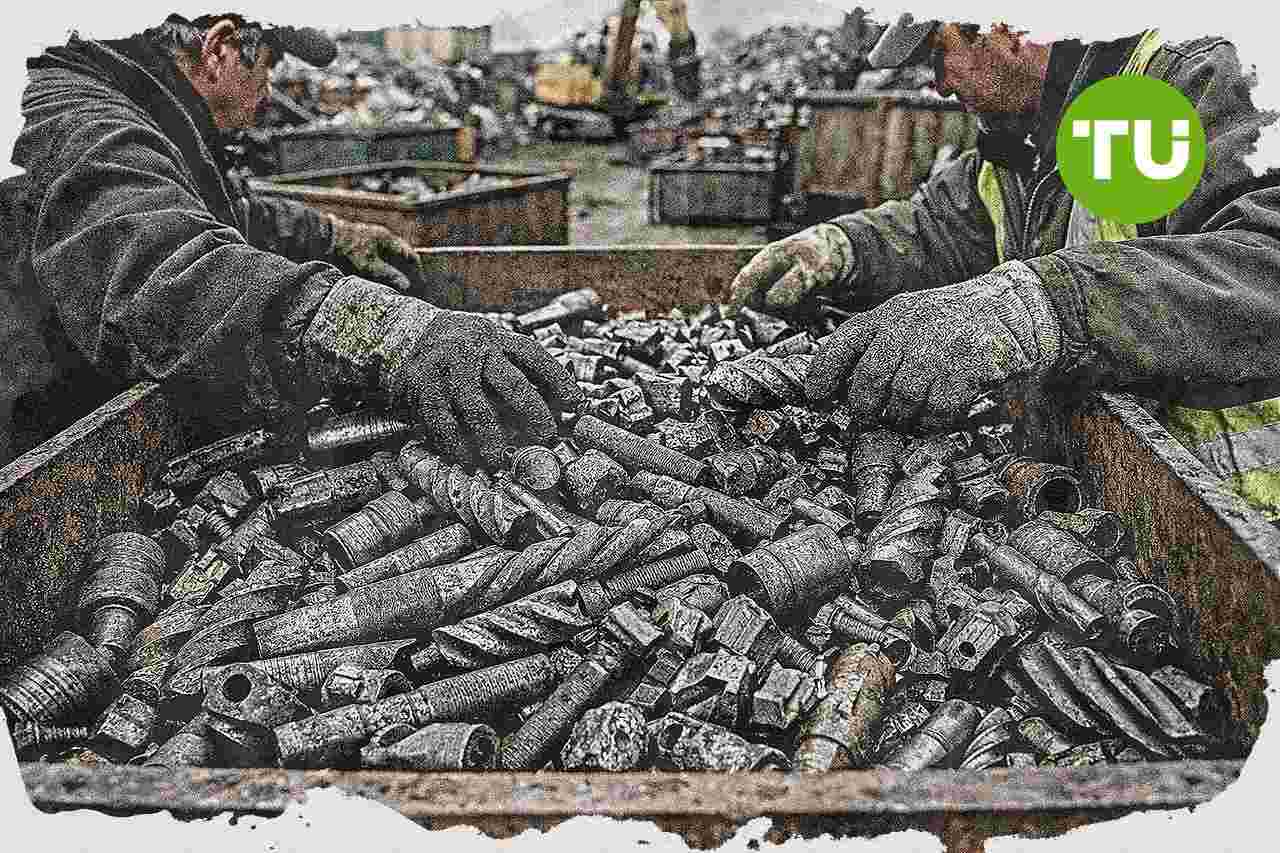
Chinese buyers are expanding their search for tungsten scrap across the U.S. as shortages outside China tighten supply of a metal used in defence, aerospace and industrial tools. The buying push, underway since early 2025, is driving a sharp price surge and prompting fresh calls in Washington and the domestic recycling industry to curb overseas sales.
Highlights
- Chinese buyers intensified U.S. tungsten scrap acquisition in 2025, triggering bidding wars as supply outside China declined and demand stayed high.
- U.S. tungsten prices rose over 200% since May 2025 and scrap prices jumped 350%, according to Argus Media, fueled by market strain and export restrictions.
- The U.S. government aims to strengthen supply chains with policies including up to $1.6 billion for a Kazakhstan tungsten mine, though export ban proposals remain contested due to domestic processing constraints.
Supply squeeze fuels aggressive scrap buying
As first reported by the Financial Times, Chinese scrap traders, recyclers and manufacturers have been seeking tungsten across the U.S. since early 2025 as supply outside China declines and demand stays strong in aerospace, weapons and tools manufacturing.U.S. sellers and buyers say the search has triggered a bidding war. Kent Vandiver, who owns a metal recycling company in Dallas, North Carolina, says long-time suppliers are telling him Chinese buyers are appearing at scrap yards and offering far above prevailing prices. He says a Texas supplier told him Chinese buyers had visited shortly before him and bid significantly more, while an Oklahoma supplier said they promised to beat any competing price.
Tungsten scrap typically comes from worn industrial tools such as drill bits and mining equipment. It can be processed back into tungsten powder or carbide for use in new machinery and tools. Traders say Chinese buyers are also trying to arrange deliveries to third parties in the U.S., Canada and Dubai before the material is sent on to China.
The market strain follows Beijing's export restrictions on tungsten and other critical minerals in early 2025, as well as reduced mining quotas. China accounts for more than half of global mined and refined tungsten supply and about half of demand, leaving manufacturers outside the country exposed to shortages of processed intermediate materials.
Defence concerns and policy debate intensify
Rising competition for tungsten is sharpening concerns over U.S. supply security because the metal is widely used in bullets, missiles and other military applications. Ryan McAdams, chief executive of Texas-based recycler and refiner Amermin, says exports back to China should stop, while Representative John Moolenaar says the U.S. must do more to secure reliable supply.A White House official says Donald Trump's administration is committed to rebuilding the domestic minerals industry and strengthening American supply chains. The U.S. government is also poised to provide up to $1.6 billion for a planned tungsten mine in Kazakhstan, part of a broader push to secure resources outside China.
Price data underline the pressure in the market. According to Argus Media, tungsten prices have risen more than 200% since May 2025, while tungsten scrap prices have jumped 350%. Project Blue data also show an increase this year in U.S. exports of tungsten scrap to recycling hubs including the Philippines, Taiwan, Vietnam and South Korea, though customs data do not yet confirm whether imports into China from those countries have increased.
The policy response remains contested. Some market participants argue a U.S. export ban on scrap would reduce dependence on China, but others say domestic processing capacity is too limited to absorb all available material. Cliff Nance, chief executive of Tungco, calls such a ban a bad idea because the U.S. does not have enough capacity to convert all scrap into finished products.
Our earlier report on a bipartisan Senate bill to tighten Pentagon contractor transparency explained how lawmakers want bidders and subcontractors to disclose beneficial ownership information to curb risks from shell companies and hidden foreign influence. The proposal would remove the sub-$5 million disclosure exemption and align definitions with existing defense law, reflecting broader worries about vulnerabilities in U.S. defense supply chains.





Latest Hanwha Aerospace News










-
 Afghanistan
-
 Albania
-
 Algeria
-
 Angola
-
 Argentina
-
 Armenia
-
 Australia
-
 Austria
-
 Azerbaijan
-
 Bahamas
-
 Bahrain
-
 Bangladesh
-
 Belarus
-
 Belgium
-
 Bolivia
-
 Botswana
-
 Brazil
-
 Brunei
-
 Bulgaria
-
 Cambodia
-
 Cameroon
-
 Canada
-
 Chile
Chile
-
 China
China
-
 Colombia
-
 Congo
Congo
-
 Costa Rica
-
 Cote d'Ivoire
-
 Croatia
-
 Cuba
Cuba
-
 Cyprus
-
 Czechia
-
 DR Congo
-
 Denmark
-
 Dominican Republic
-
 Ecuador
-
 Egypt
Egypt
-
 El Salvador
-
 Estonia
-
 Eswatini
-
 Ethiopia
-
 Finland
-
 France
-
 Georgia
-
 Germany
-
 Ghana
Ghana
-
 Greece
-
 Haiti
Haiti
-
 Hong Kong
-
 Hungary
-
 India
India
-
 Indonesia
-
 Iran, Islamic republic
-
 Iraq
Iraq
-
 Ireland
-
 Israel
-
 Italy
Italy
-
 Jamaica
-
 Japan
Japan
-
 Jordan
-
 Kazakhstan
-
 Kenya
Kenya
-
 Korea
Korea
-
 Kuwait
-
 Kyrgyzstan
-
 Laos
Laos
-
 Latvia
-
 Lebanon
-
 Lesotho
-
 Libya
Libya
-
 Lithuania
-
 Luxembourg
-
 Madagascar
-
 Malaysia
-
 Malta
Malta
-
 Mauritius
-
 Mexico
-
 Moldova
-
 Mongolia
-
 Montenegro
-
 Morocco
-
 Mozambique
-
 Myanmar
-
 Namibia
-
 Nepal
Nepal
-
 Netherlands
-
 New Zealand
-
 Nigeria
-
 North Macedonia
-
 Norway
-
 Oman
Oman
-
 Pakistan
-
 Palestine
-
 Panama
-
 Papua New Guinea
-
 Paraguay
-
 Peru
Peru
-
 Philippines
-
 Poland
-
 Portugal
-
 Puerto Rico
-
 Qatar
Qatar
-
 Reunion
-
 Romania
-
 Rwanda
-
 Saudi Arabia
-
 Serbia
-
 Singapore
-
 Slovakia
-
 Slovenia
-
 Somalia
-
 South Africa
-
 Spain
Spain
-
 Sri Lanka
-
 Sweden
-
 Switzerland
-
 Syria
Syria
-
 Taiwan
-
 Tajikistan
-
 Tanzania
-
 Thailand
-
 Trinidad and Tobago
-
 Tunisia
-
 Turkey
-
 UAE
UAE
-
 Uganda
-
 Ukraine
-
 United Kingdom
-
United States
-
 Uruguay
-
 Uzbekistan
-
 Venezuela
-
 Vietnam
-
 Yemen
Yemen
-
 Zambia
-
 Zimbabwe
- Forex
- Crypto











