

China export curbs deepen tungsten supply shock for U.S. defense and industry
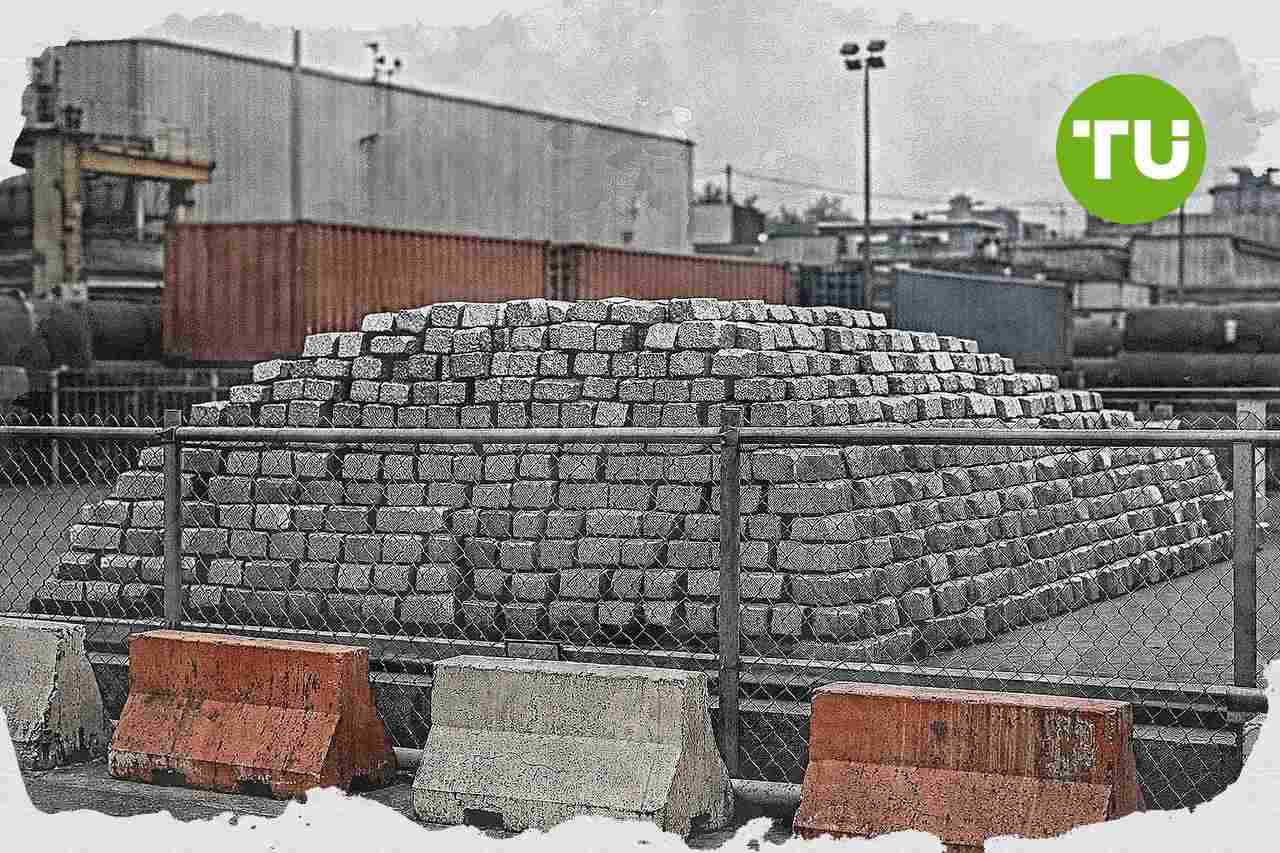
Wars in Ukraine and Iran are tightening global supplies of tungsten, a critical metal used in munitions as well as industrial tools and equipment. The pressure is especially acute for the U.S., which produces virtually no domestic tungsten and is increasingly exposed to China’s dominance in the market.
Highlights
- China tightened tungsten export controls in February 2025, maintaining its grip on roughly 80% of global supply as military and industrial demand climbs.
- The U.S. government has committed up to $1.6 billion to the Cove Kaz project in Kazakhstan, including $900 million in November 2024 and $700 million in February 2025.
- Tungsten shortages are expected to persist due to lagging alternative supply, continuing to impact U.S. defense procurement and critical manufacturing sectors.
China controls supply as war demand rises
As reported by CNBC, tungsten is facing a growing supply squeeze as military consumption rises and broader industrial demand remains intact. The metal is used in war machinery, drill bits, industrial equipment and a wide range of manufacturing applications, leaving buyers under pressure even if disruption in the Strait of Hormuz eases.Industry executives say the strain is spreading across supply chains. Mark Vena, chief executive and principal analyst at SmartTech Research, says tungsten now features in almost every vendor conversation as demand from missiles, factories, machine shops, electronics, aerospace, EVs and everyday tools collides at the same time.
China remains the central force in that bottleneck, controlling as much as 80% of global tungsten supply, even as its own production declines. It tightened exports in February 2025 on national security grounds and continues to keep strict export controls in place, while USGS data show global tungsten production reached about 81,000 metric tons in 2024, with Vietnam a distant second and the U.S. producing almost none domestically.
Kazakhstan project highlights scramble for new sources
A mining project in Kazakhstan is emerging as one possible alternative source, but the deal is drawing political scrutiny because Donald Trump Jr. and Eric Trump invested in a company planning to merge with it. Lawmakers and watchdog groups are examining transactions involving the president’s family as Washington pushes to secure more strategic mineral supply.The U.S. government has already backed the Cove Kaz project with up to $1.6 billion through the Export-Import Bank and the U.S. International Development Finance Corporation. That support includes a $900 million commitment made last November and another $700 million commitment in February this year.
Even if additional output eventually comes online, the shortage is likely to persist until new supply is secured at scale. That means the tungsten crunch is set to keep affecting U.S. defense procurement and a broader industrial base that depends on a metal few consumers notice, but many manufacturers cannot replace.
Our earlier coverage of the U.S.-Iran conflict looked at how the escalation was unsettling crude markets, lifting WTI and Brent as traders priced in the risk of wider regional disruption. We also outlined concerns over potential supply shocks if Iran moved to restrict traffic through the Strait of Hormuz, and how persistently higher energy costs could feed inflation and shape central-bank decisions.










-
 Afghanistan
-
 Albania
-
 Algeria
-
 Angola
-
 Argentina
-
 Armenia
-
 Australia
-
 Austria
-
 Azerbaijan
-
 Bahamas
-
 Bahrain
-
 Bangladesh
-
 Belarus
-
 Belgium
-
 Bolivia
-
 Botswana
-
 Brazil
-
 Brunei
-
 Bulgaria
-
 Cambodia
-
 Cameroon
-
 Canada
-
 Chile
-
 China
-
 Colombia
-
 Congo
-
 Costa Rica
-
 Cote d'Ivoire
-
 Croatia
-
 Cuba
-
 Cyprus
-
 Czechia
-
 DR Congo
-
 Denmark
-
 Dominican Republic
-
 Ecuador
-
 Egypt
-
 El Salvador
-
 Estonia
-
 Eswatini
-
 Ethiopia
-
 Finland
-
 France
-
 Georgia
-
 Germany
-
 Ghana
-
 Greece
-
 Haiti
-
 Hong Kong
-
 Hungary
-
 India
-
 Indonesia
-
 Iran, Islamic republic
-
 Iraq
-
 Ireland
-
 Israel
-
 Italy
-
 Jamaica
-
 Japan
-
 Jordan
-
 Kazakhstan
-
 Kenya
-
 Korea
-
 Kuwait
-
 Kyrgyzstan
-
 Laos
-
 Latvia
-
 Lebanon
-
 Lesotho
-
 Libya
-
 Lithuania
-
 Luxembourg
-
 Madagascar
-
 Malaysia
-
 Malta
-
 Mauritius
-
 Mexico
-
 Moldova
-
 Mongolia
-
 Montenegro
-
 Morocco
-
 Mozambique
-
 Myanmar
-
 Namibia
-
 Nepal
-
 Netherlands
-
 New Zealand
-
 Nigeria
-
 North Macedonia
-
 Norway
-
 Oman
-
 Pakistan
-
 Palestine
-
 Panama
-
 Papua New Guinea
-
 Paraguay
-
 Peru
-
 Philippines
-
 Poland
-
 Portugal
-
 Puerto Rico
-
 Qatar
-
 Reunion
-
 Romania
-
 Rwanda
-
 Saudi Arabia
-
 Serbia
-
 Singapore
-
 Slovakia
-
 Slovenia
-
 Somalia
-
 South Africa
-
 Spain
-
 Sri Lanka
-
 Sweden
-
 Switzerland
-
 Syria
-
 Taiwan
-
 Tajikistan
-
 Tanzania
-
 Thailand
-
 Trinidad and Tobago
-
 Tunisia
-
 Turkey
-
 UAE
-
 Uganda
-
 Ukraine
-
 United Kingdom
-
United States
-
 Uruguay
-
 Uzbekistan
-
 Venezuela
-
 Vietnam
-
 Yemen
-
 Zambia
-
 Zimbabwe
- Forex
- Crypto












