


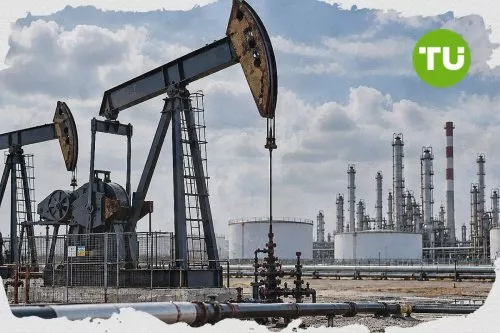
WTI continues to recover following its recent correction and has moved back above the $94 per barrel level at the start of the week. The upward momentum is driven by renewed tensions in the Middle East and ongoing risks to supply through the Strait of Hormuz, a key route for global oil trade. Over the past sessions, prices have gained more than 4%, marking one of the strongest daily moves in the past month.

Geopolitics outweighs rising production
Despite OPEC+ deciding for the fourth consecutive month to increase production quotas for July by 188 thousand barrels per day, the market views these measures as a limited offsetting factor. Analysts note that the additional supply is insufficient to fully compensate for the risks of supply disruptions and logistical constraints in the Persian Gulf region. As a result, traders continue to price in an elevated geopolitical risk premium.
Fundamental picture remains supportive
Oil is also supported by relatively low commercial inventories and signs of tightness in the physical market. The oil futures curve remains in pronounced backwardation, which traditionally indicates a supply deficit in the spot market. Additional support comes from concerns about further declines in global inventories amid ongoing export constraints and strong seasonal fuel demand.
Near-term outlook
The short-term trend for WTI remains bullish as the market closely monitors developments around the Strait of Hormuz and diplomatic negotiations in the region. If current risks persist, prices could remain within the $90–100 per barrel range. However, as supply normalizes and transport flows recover, part of the geopolitical premium may gradually fade in the second half of the year.
As a result of the current recovery, resistance around the $93.5 level has been broken, and the $95.1 level has been tested. This rebound may still be used as a selling opportunity; however, further escalation in the Middle East could lead to a breakout above current resistance and push prices toward the $96–96.5 range, as the conflict in the region—discussed earlier in Wti declines again amid demand concerns—is likely to continue influencing oil futures dynamics.





Latest WTI News



-
 Afghanistan
-
 Albania
-
 Algeria
-
 Angola
-
 Argentina
-
 Armenia
-
 Australia
-
 Austria
-
 Azerbaijan
-
 Bahamas
-
 Bahrain
-
 Bangladesh
-
 Belarus
-
 Belgium
-
 Bolivia
-
 Botswana
-
 Brazil
-
 Brunei
-
 Bulgaria
-
 Cambodia
-
 Cameroon
-
 Canada
-
 Chile
-
 China
-
 Colombia
-
 Congo
-
 Costa Rica
-
 Cote d'Ivoire
-
 Croatia
-
 Cuba
-
 Cyprus
-
 Czechia
-
 DR Congo
-
 Denmark
-
 Dominican Republic
-
 Ecuador
-
 Egypt
-
 El Salvador
-
 Estonia
-
 Eswatini
-
 Ethiopia
-
 Finland
-
 France
-
 Georgia
-
 Germany
-
 Ghana
-
 Greece
-
 Haiti
-
 Hong Kong
-
 Hungary
-
 India
-
 Indonesia
-
 Iran, Islamic republic
-
 Iraq
-
 Ireland
-
 Israel
-
 Italy
-
 Jamaica
-
 Japan
-
 Jordan
-
 Kazakhstan
-
 Kenya
-
 Korea
-
 Kuwait
-
 Kyrgyzstan
-
 Laos
-
 Latvia
-
 Lebanon
-
 Lesotho
-
 Libya
-
 Lithuania
-
 Luxembourg
-
 Madagascar
-
 Malaysia
-
 Malta
-
 Mauritius
-
 Mexico
-
 Moldova
-
 Mongolia
-
 Montenegro
-
 Morocco
-
 Mozambique
-
 Myanmar
-
 Namibia
-
 Nepal
-
 Netherlands
-
 New Zealand
-
 Nigeria
-
 North Macedonia
-
 Norway
-
 Oman
-
 Pakistan
-
 Palestine
-
 Panama
-
 Papua New Guinea
-
 Paraguay
-
 Peru
-
 Philippines
-
 Poland
-
 Portugal
-
 Puerto Rico
-
 Qatar
-
 Reunion
-
 Romania
-
 Rwanda
-
 Saudi Arabia
-
 Serbia
-
 Singapore
-
 Slovakia
-
 Slovenia
-
 Somalia
-
 South Africa
-
 Spain
-
 Sri Lanka
-
 Sweden
-
 Switzerland
-
 Syria
-
 Taiwan
-
 Tajikistan
-
 Tanzania
-
 Thailand
-
 Trinidad and Tobago
-
 Tunisia
-
 Turkey
-
 UAE
-
 Uganda
-
 Ukraine
-
 United Kingdom
-
United States
-
 Uruguay
-
 Uzbekistan
-
 Venezuela
-
 Vietnam
-
 Yemen
-
 Zambia
-
 Zimbabwe
- Forex
- Crypto












