
South Africa anti-migrant violence drives evacuations and business risk
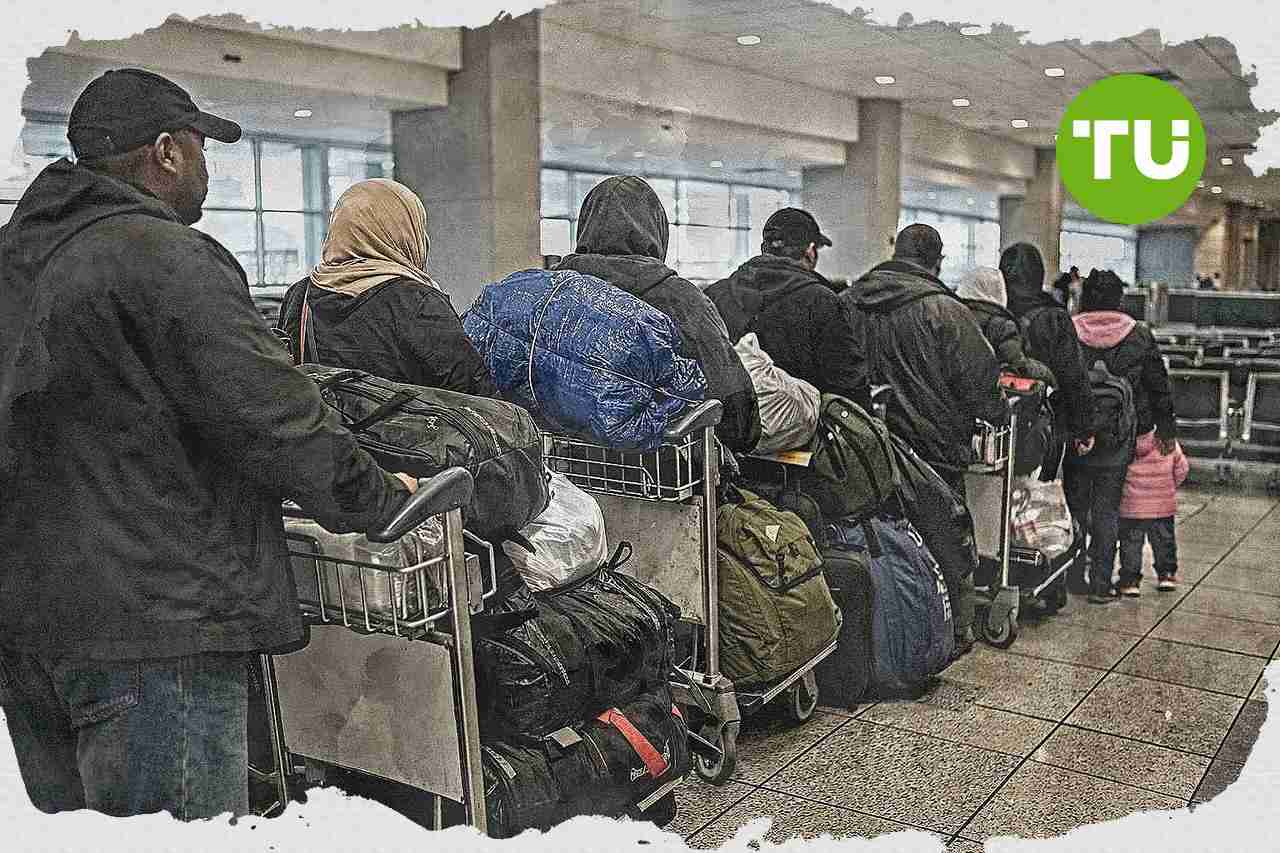
South Africa is facing a widening exodus of African migrants as anti-migrant violence spreads through poorer communities and strains the country’s standing across the continent. The departures are expanding from emergency evacuations into a broader political and economic test for Pretoria, with companies and neighboring governments warning of regional fallout.
Highlights
- Nearly 300 Nigerians and over 1,000 other Africans are being evacuated from South Africa after weeks of anti-migrant violence that left five foreigners dead.
- Business Leadership South Africa warns the unrest disrupts corporate operations, raises boycott threats against South African brands, and strains regional diplomatic and trade ties.
- President Cyril Ramaphosa announced stricter border controls and dedicated immigration courts amid criticism from multiple African governments, but analysts say Pretoria is struggling to regain control.
Evacuations widen as violence intensifies
As reported by Financial Times, nearly 300 Nigerians are joining a larger wave of Africans leaving South Africa after weeks of attacks in which armed crowds move through townships demanding foreigners produce documents or close their businesses.At Johannesburg’s OR Tambo airport, Nigerians line up with luggage and limited belongings for an evacuation flight organized by the Nigerian government. Kimiebi Ebienfa, a Nigerian foreign ministry official, says those on the flight are the most vulnerable, including displaced people and families with small children, and adds that four more flights are planned to repatriate about 1,000 citizens.
At least three other African governments are also arranging evacuations. Mozambique says four of its citizens have been killed in Western Cape, while Zimbabwe has already repatriated dozens of people by bus after they spent days under police protection, and Malawi says it is helping nationals return after more than 1,000 people seek refuge in a church in Durban.
The unrest leaves five African foreigners dead and displaces thousands, some of whom are hiding in bush areas or sheltering in community halls. Anti-migrant group March and March has set a June 30 deadline for undocumented foreigners to leave the country, an ultimatum without legal force that is nonetheless gaining momentum on the ground.
Regional backlash raises economic and political pressure
Business groups warn the violence threatens South Africa’s commercial position across Africa, where the country’s largest companies have spent decades expanding. Calls for boycotts of South African brands are growing as anger over the attacks spreads across the region.Business Leadership South Africa says the hostility is disrupting corporate operations, straining diplomatic relations with regional partners and threatening personnel and infrastructure along cross-border trade corridors. Elizabeth Sidiropoulos of the South African Institute of International Affairs says the response from other countries has escalated tensions and underlines that foreign policy cannot be separated from domestic events.
President Cyril Ramaphosa, in a televised address on Sunday, announces a crackdown on illegal immigration, including tighter border controls, dedicated immigration courts and action against employers hiring undocumented workers. He also says citizens cannot take the law into their own hands, but analysts argue the speech shows Pretoria is struggling to regain control after criticism from Kenya, Mozambique, Nigeria and Ghana.
South Africa has seen earlier xenophobic flare-ups during periods of economic stress, including violence in 2008 that killed more than 60 people. Analysts say the current episode is different because anti-migrant politics is becoming more mainstream, even though foreign-born residents account for only about 5 per cent of the population, and some advisers to Ramaphosa argue the country’s weak growth, corruption and failing services, not migrants, are driving public anger.
Earlier, we reported that consumer sentiment in South Africa weakened in the third quarter of 2025, with the Composite Consumer Confidence Index falling to -13 from -9 in the previous quarter. The decline reflected growing concerns about the country's economic outlook and household finances.





Latest South Africa News










-
 Afghanistan
-
 Albania
-
 Algeria
-
 Angola
-
 Argentina
-
 Armenia
-
 Australia
-
 Austria
-
 Azerbaijan
-
 Bahamas
-
 Bahrain
-
 Bangladesh
-
 Belarus
-
 Belgium
-
 Bolivia
-
 Botswana
-
 Brazil
-
 Brunei
-
 Bulgaria
-
 Cambodia
-
 Cameroon
-
 Canada
-
 Chile
Chile
-
 China
China
-
 Colombia
-
 Congo
Congo
-
 Costa Rica
-
 Cote d'Ivoire
-
 Croatia
-
 Cuba
Cuba
-
 Cyprus
-
 Czechia
-
 DR Congo
-
 Denmark
-
 Dominican Republic
-
 Ecuador
-
 Egypt
Egypt
-
 El Salvador
-
 Estonia
-
 Eswatini
-
 Ethiopia
-
 Finland
-
 France
-
 Georgia
-
 Germany
-
 Ghana
Ghana
-
 Greece
-
 Haiti
Haiti
-
 Hong Kong
-
 Hungary
-
 India
India
-
 Indonesia
-
 Iran, Islamic republic
-
 Iraq
Iraq
-
 Ireland
-
 Israel
-
 Italy
Italy
-
 Jamaica
-
 Japan
Japan
-
 Jordan
-
 Kazakhstan
-
 Kenya
Kenya
-
 Korea
Korea
-
 Kuwait
-
 Kyrgyzstan
-
 Laos
Laos
-
 Latvia
-
 Lebanon
-
 Lesotho
-
 Libya
Libya
-
 Lithuania
-
 Luxembourg
-
 Madagascar
-
 Malaysia
-
 Malta
Malta
-
 Mauritius
-
 Mexico
-
 Moldova
-
 Mongolia
-
 Montenegro
-
 Morocco
-
 Mozambique
-
 Myanmar
-
 Namibia
-
 Nepal
Nepal
-
 Netherlands
-
 New Zealand
-
 Nigeria
-
 North Macedonia
-
 Norway
-
 Oman
Oman
-
 Pakistan
-
 Palestine
-
 Panama
-
 Papua New Guinea
-
 Paraguay
-
 Peru
Peru
-
 Philippines
-
 Poland
-
 Portugal
-
 Puerto Rico
-
 Qatar
Qatar
-
 Reunion
-
 Romania
-
 Rwanda
-
 Saudi Arabia
-
 Serbia
-
 Singapore
-
 Slovakia
-
 Slovenia
-
 Somalia
-
 South Africa
-
 Spain
Spain
-
 Sri Lanka
-
 Sweden
-
 Switzerland
-
 Syria
Syria
-
 Taiwan
-
 Tajikistan
-
 Tanzania
-
 Thailand
-
 Trinidad and Tobago
-
 Tunisia
-
 Turkey
-
 UAE
UAE
-
 Uganda
-
 Ukraine
-
 United Kingdom
-
United States
-
 Uruguay
-
 Uzbekistan
-
 Venezuela
-
 Vietnam
-
 Yemen
Yemen
-
 Zambia
-
 Zimbabwe
- Forex
- Crypto












