The tweet was deleted by the author.
But we saved everything 🙂.
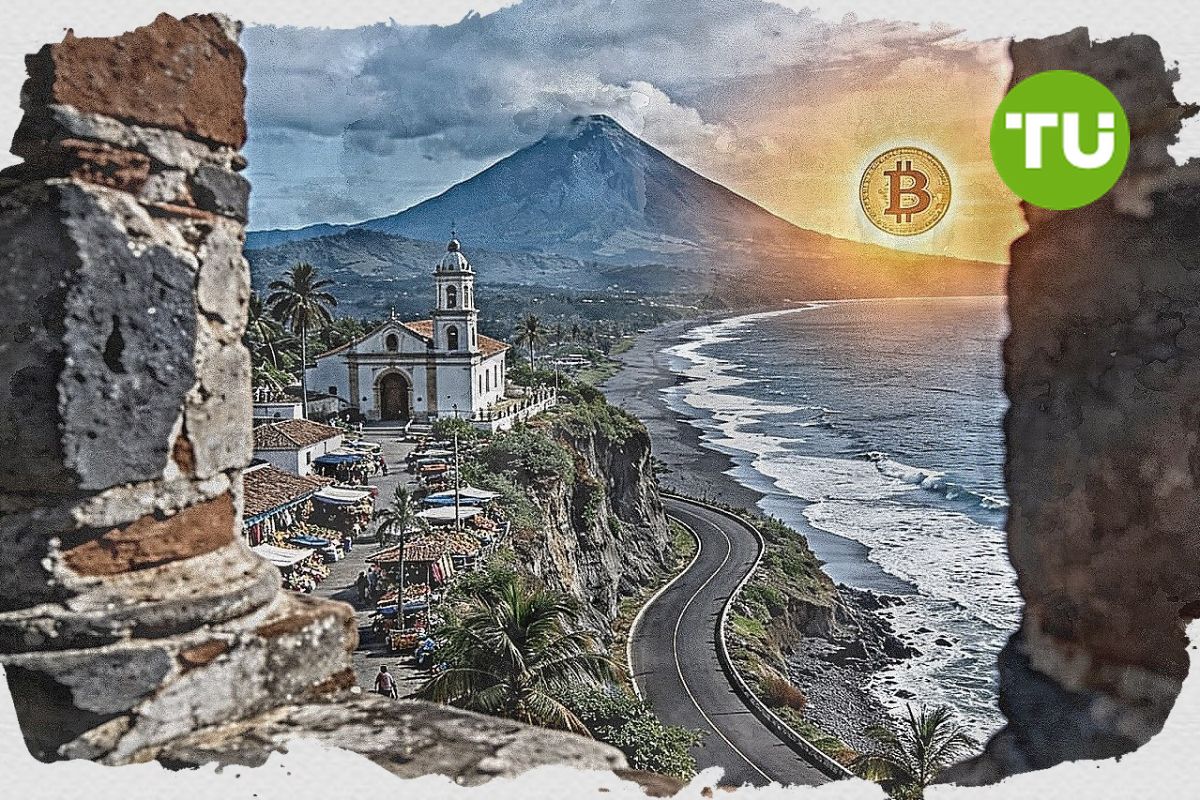
Five years ago, El Salvador became the first country in the world to recognize bitcoin as legal tender. Since then, much has changed in the country: a BTC reserve has appeared, bitcoin infrastructure has started to develop, and the study of digital assets has gradually reached schools. However, the experiment also had opponents, which forced the authorities to adjust their original course.
On June 8, 2021, El Salvador passed the world’s first “Bitcoin Law,” which recognized BTC as legal tender. The document was approved by the country’s Legislative Assembly following an initiative by President Nayib Bukele.
The law put bitcoin on the same level as the U.S. dollar, which has remained El Salvador’s main currency since 2001. Later, on September 7, 2021, when the document came into force, the authorities began building dedicated infrastructure around BTC: they launched the state-run Chivo Wallet, started installing bitcoin ATMs, and promoted payments through the Lightning Network.
Bukele’s main idea was to give people without bank accounts access to financial services. The country also expected to make remittances from abroad cheaper, as they remain an important source of income for many families.
At the same time, El Salvador began buying bitcoin for its national reserve. The president regularly reported new purchases, and the strategy quickly became part of the country’s international image.
However, El Salvador’s bitcoin policy raised questions among international creditors. The main critic was the International Monetary Fund. It was concerned about BTC’s volatility, budget risks, and the fact that businesses were required to accept bitcoin as a means of payment.
The IMF also pointed to a lack of transparency. El Salvador’s authorities were buying bitcoin for the national reserve, but investors and creditors wanted more information about how these operations were structured and what risks they created for the country’s financial system.
In late 2024, El Salvador agreed to change part of its bitcoin policy as part of a $1.4 billion agreement with the IMF. One of the key conditions was easing the rules for businesses. Accepting bitcoin was no longer mandatory and became voluntary.
The authorities also agreed to reduce the state’s involvement in some bitcoin projects. This did not mean abandoning BTC, but it showed that the original model was too rigid for negotiations with international creditors.
Despite concessions to the IMF, El Salvador did not abandon bitcoin. According to 2026 data, the country’s state addresses hold 7,677 BTC worth $480 million.
But El Salvador’s bitcoin strategy is not limited to its reserve. In recent years, the authorities have created the National Bitcoin Office, started developing educational programs, and continued attracting crypto companies. One of the most notable examples was Tether, the issuer of the USDT stablecoin.
In January 2025, Tether said it had obtained a digital asset service provider license in El Salvador and was moving part of its business there. The company explained the decision by pointing to favorable regulation, support for bitcoin, and a growing crypto community. Tether CEO Paolo Ardoino called El Salvador a “beacon of innovation in the digital asset space.”
The authorities also continued to focus on education. In 2026, El Salvador is launching Bitcoin Diploma 2.0, an updated state program for studying bitcoin. It is expected to become part of the curriculum in public schools and explain the basics of money, cryptocurrencies, and financial technologies to students through visual materials, animations, and practical examples.
Over five years, El Salvador has become not only a country with bitcoin on its balance sheet, but also an example for other states. In July 2025, President Nayib Bukele and Pakistan Crypto Council Chairman Bilal bin Saqib signed a Letter of Intent. The document provides for cooperation in the field of state-level bitcoin adoption, financial inclusion, and crypto policy development.
At the same time, not all countries are following El Salvador’s path by making bitcoin a means of payment. Some are choosing a more cautious model — mining and accumulating BTC without changing monetary legislation.
For example, Bhutan has not recognized bitcoin as an official means of payment, but it has started developing mining through the state investment arm Druk Holding & Investments. The country uses hydropower for this, which it has in abundance thanks to its mountainous terrain and rivers. This approach allows the state to earn from bitcoin without making BTC mandatory for everyday payments.
Over five years, El Salvador’s bitcoin experiment has changed significantly. In 2021, the authorities wanted to make BTC part of everyday payments, but in practice this scenario turned out to be more complicated: businesses gained the right not to accept bitcoin, and the state had to take into account the demands of international creditors.
That is why, five years later, bitcoin in El Salvador no longer looks only like a payment instrument. It has remained part of the country’s reserves, education, regulation, and international positioning — even after concessions to the IMF.

 Afghanistan
 Albania
 Algeria
 Angola
 Argentina
 Armenia
 Australia
 Austria
 Azerbaijan
 Bahamas
 Bahrain
 Bangladesh
 Belarus
 Belgium
 Bolivia
 Botswana
 Brazil
 Brunei
 Bulgaria
 Cambodia
 Cameroon
 Canada
 Chile
Chile
 China
China
 Colombia
 Congo
Congo
 Costa Rica
 Cote d'Ivoire
 Croatia
 Cuba
Cuba
 Cyprus
 Czechia
 DR Congo
 Denmark
 Dominican Republic
 Ecuador
 Egypt
Egypt
 El Salvador
 Estonia
 Eswatini
 Ethiopia
 Finland
 France
 Georgia
 Germany
 Ghana
Ghana
 Greece
 Haiti
Haiti
 Hong Kong
 Hungary
 India
India
 Indonesia
 Iran, Islamic republic
 Iraq
Iraq
 Ireland
 Israel
 Italy
Italy
 Jamaica
 Japan
Japan
 Jordan
 Kazakhstan
 Kenya
Kenya
 Korea
Korea
 Kuwait
 Kyrgyzstan
 Laos
Laos
 Latvia
 Lebanon
 Lesotho
 Libya
Libya
 Lithuania
 Luxembourg
 Madagascar
 Malaysia
 Malta
Malta
 Mauritius
 Mexico
 Moldova
 Mongolia
 Montenegro
 Morocco
 Mozambique
 Myanmar
 Namibia
 Nepal
Nepal
 Netherlands
 New Zealand
 Nigeria
 North Macedonia
 Norway
 Oman
Oman
 Pakistan
 Palestine
 Panama
 Papua New Guinea
 Paraguay
 Peru
Peru
 Philippines
 Poland
 Portugal
 Puerto Rico
 Qatar
Qatar
 Reunion
 Romania
 Rwanda
 Saudi Arabia
 Serbia
 Singapore
 Slovakia
 Slovenia
 Somalia
 South Africa
 Spain
Spain
 Sri Lanka
 Sweden
 Switzerland
 Syria
Syria
 Taiwan
 Tajikistan
 Tanzania
 Thailand
 Trinidad and Tobago
 Tunisia
 Turkey
 UAE
UAE
 Uganda
 Ukraine
 United Kingdom
United States
United Kingdom
United States
 Uruguay
 Uzbekistan
 Venezuela
 Vietnam
 Yemen
Yemen
 Zambia
 Zimbabwe