
Novelis restarts New York aluminum production, easing supply pressure for Ford trucks
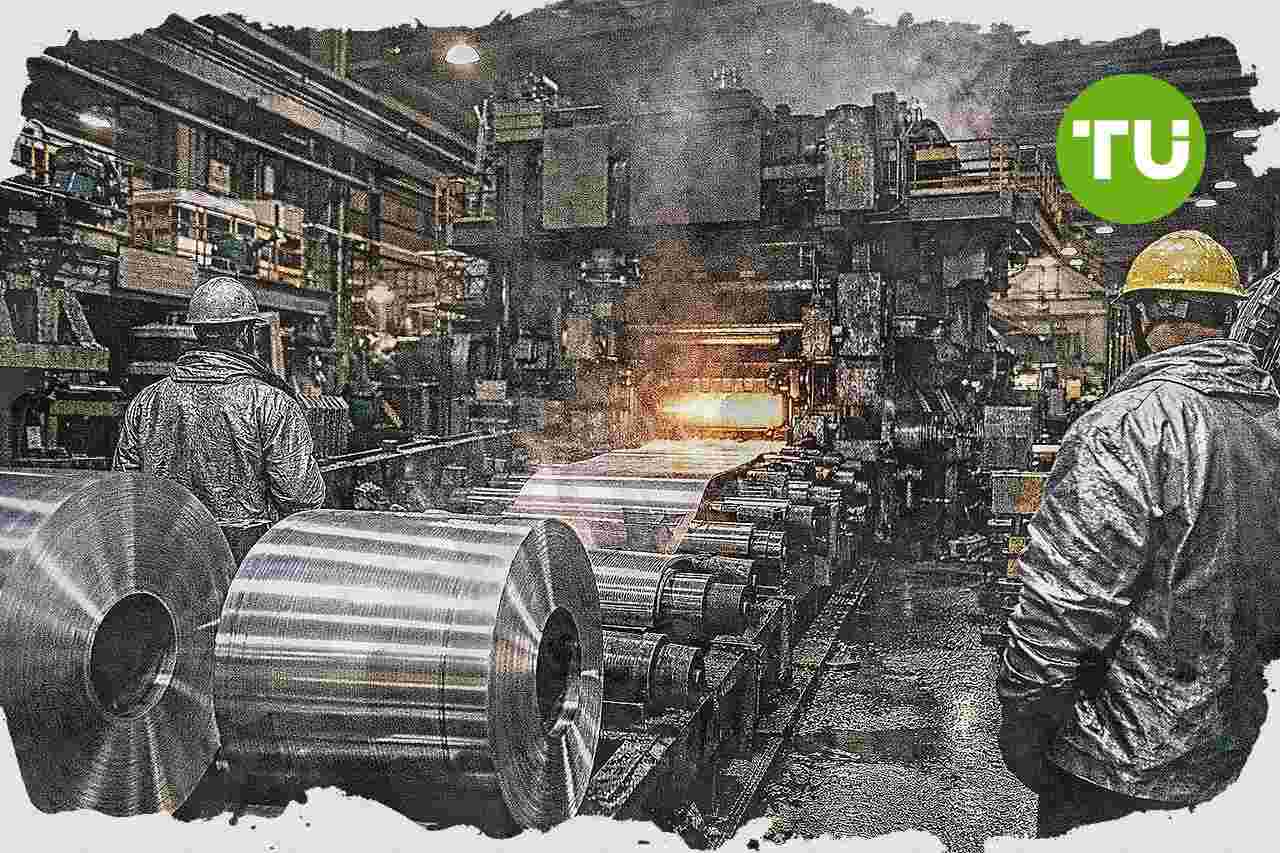
After months of disruption from two fires, Novelis has restarted production at its Oswego, New York facility, a key supplier for Ford's F-150 pickup line. The restart matters for the automaker's supply chain because the earlier outage contributed to bottlenecks that pushed Ford to cut its 2025 profit forecast and warn of a charge of up to $2 billion.
Highlights
- Novelis resumed aluminum production at its Oswego, New York plant, restoring supply critical for Ford's F-series trucks and other automakers.
- Supply disruptions from the Oswego plant fire forced Ford to lower its 2025 profit forecast and warn of a potential charge up to $2 billion.
- Hindalco Industries reported a $437 million fourth-quarter cost due to the outage, with Novelis relying on South Korea and Europe for interim supply.
Oswego plant resumes operations
As reported by Reuters, Novelis said on Wednesday that it has restarted production at the Oswego plant and is working closely with customers to ramp up supply from the facility.The site is important to Ford because the company's flagship F-series trucks largely use aluminum bodies. Novelis also supplies other automakers, including Stellantis and General Motors, but Ford is a major consumer of the metal produced there.
Novelis CEO Steve Fisher said restarting the Oswego hot mill is an important step forward for the company's operations and for its customers.
Automotive and financial impact
The fires at the New York plant triggered supply bottlenecks across the chain, adding pressure on Ford's manufacturing network. Those disruptions led Ford to lower its 2025 profit forecast and flag a potential charge of up to $2 billion.To offset the outage, Novelis had been relying on plants in South Korea and Europe to support aluminum production during the downtime in New York. In May, Hindalco Industries, Novelis' Indian parent company, said the disruption cost it roughly $437 million in the fourth quarter.
Our earlier article on persistent U.S. auto supply constraints explained that the market is still short millions of vehicles compared with pre-pandemic output, keeping pressure on both new and used car availability. We noted that automakers’ production mix and lower leasing activity have tightened the pipeline of newer used cars, pushing more buyers toward older vehicles and sustaining elevated prices.












-
 Afghanistan
-
 Albania
-
 Algeria
-
 Angola
-
 Argentina
-
 Armenia
-
 Australia
-
 Austria
-
 Azerbaijan
-
 Bahamas
-
 Bahrain
-
 Bangladesh
-
 Belarus
-
 Belgium
-
 Bolivia
-
 Botswana
-
 Brazil
-
 Brunei
-
 Bulgaria
-
 Cambodia
-
 Cameroon
-
 Canada
-
 Chile
Chile
-
 China
China
-
 Colombia
-
 Congo
Congo
-
 Costa Rica
-
 Cote d'Ivoire
-
 Croatia
-
 Cuba
Cuba
-
 Cyprus
-
 Czechia
-
 DR Congo
-
 Denmark
-
 Dominican Republic
-
 Ecuador
-
 Egypt
Egypt
-
 El Salvador
-
 Estonia
-
 Eswatini
-
 Ethiopia
-
 Finland
-
 France
-
 Georgia
-
 Germany
-
 Ghana
Ghana
-
 Greece
-
 Haiti
Haiti
-
 Hong Kong
-
 Hungary
-
 India
India
-
 Indonesia
-
 Iran, Islamic republic
-
 Iraq
Iraq
-
 Ireland
-
 Israel
-
 Italy
Italy
-
 Jamaica
-
 Japan
Japan
-
 Jordan
-
 Kazakhstan
-
 Kenya
Kenya
-
 Korea
Korea
-
 Kuwait
-
 Kyrgyzstan
-
 Laos
Laos
-
 Latvia
-
 Lebanon
-
 Lesotho
-
 Libya
Libya
-
 Lithuania
-
 Luxembourg
-
 Madagascar
-
 Malaysia
-
 Malta
Malta
-
 Mauritius
-
 Mexico
-
 Moldova
-
 Mongolia
-
 Montenegro
-
 Morocco
-
 Mozambique
-
 Myanmar
-
 Namibia
-
 Nepal
Nepal
-
 Netherlands
-
 New Zealand
-
 Nigeria
-
 North Macedonia
-
 Norway
-
 Oman
Oman
-
 Pakistan
-
 Palestine
-
 Panama
-
 Papua New Guinea
-
 Paraguay
-
 Peru
Peru
-
 Philippines
-
 Poland
-
 Portugal
-
 Puerto Rico
-
 Qatar
Qatar
-
 Reunion
-
 Romania
-
 Rwanda
-
 Saudi Arabia
-
 Serbia
-
 Singapore
-
 Slovakia
-
 Slovenia
-
 Somalia
-
 South Africa
-
 Spain
Spain
-
 Sri Lanka
-
 Sweden
-
 Switzerland
-
 Syria
Syria
-
 Taiwan
-
 Tajikistan
-
 Tanzania
-
 Thailand
-
 Trinidad and Tobago
-
 Tunisia
-
 Turkey
-
 UAE
UAE
-
 Uganda
-
 Ukraine
-
 United Kingdom
-
United States
-
 Uruguay
-
 Uzbekistan
-
 Venezuela
-
 Vietnam
-
 Yemen
Yemen
-
 Zambia
-
 Zimbabwe
- Forex
- Crypto












