
U.S. inflation accelerates as energy costs lift May consumer prices

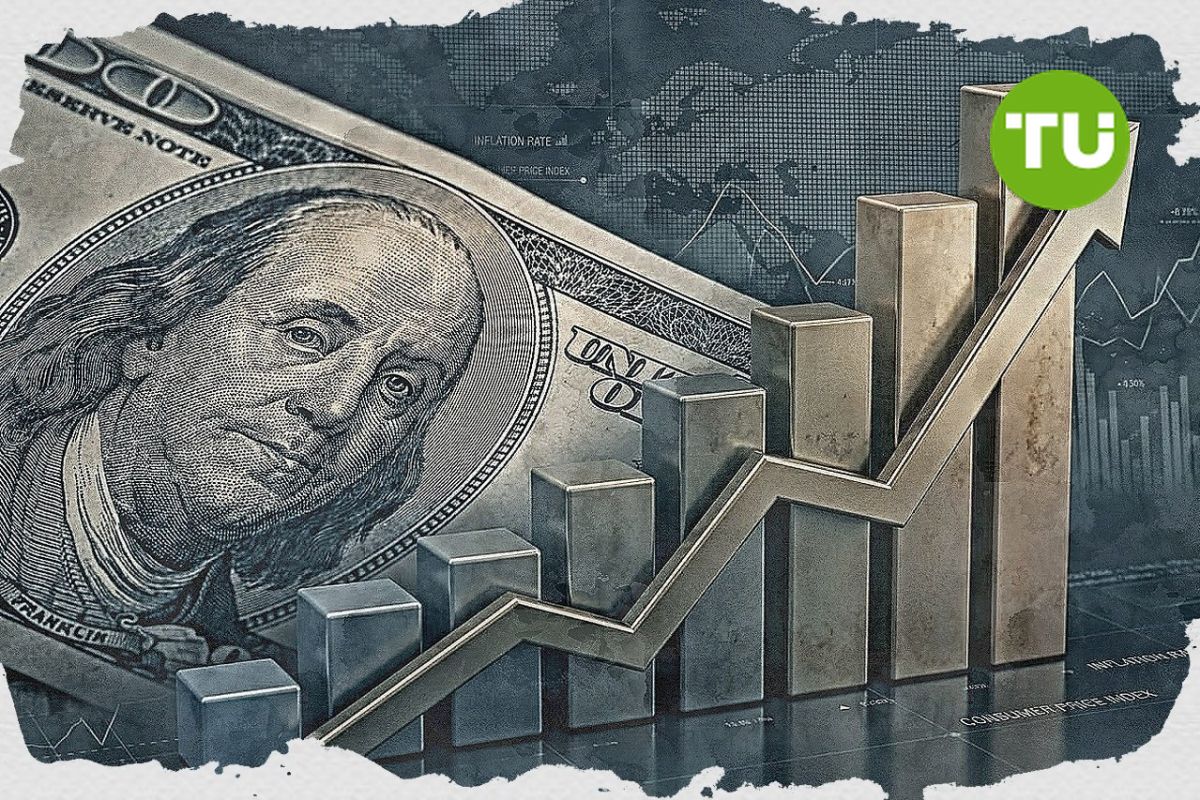
Rising fuel costs push U.S. consumer inflation to its fastest annual pace in more than three years in May, adding pressure ahead of the Federal Reserve's next policy meeting. The increase comes as the Iran war disrupts oil flows through the Strait of Hormuz, while tariffs and artificial intelligence-related spending also contribute to higher prices.
Highlights
- U.S. consumer price index rose 4.2% year-on-year in May, up from 3.8% in April and the highest rate since April 2023.
- Energy accounted for over 60% of the monthly CPI rise, with motor fuel prices up 41% year-on-year and gasoline at $4.31 per gallon as of June 1.
- Persistent inflation and strong jobs data reduce the chance of near-term Federal Reserve rate cuts, with a rate hike still possible depending on upcoming data.
May inflation drivers and policy timing
As reported by the U.S. Bureau of Labor Statistics, the consumer price index rises 4.2% in May from a year earlier, up from 3.8% in April and marking the highest annual reading since April 2023. The report arrives before the Federal Reserve's policy meeting next week, when officials decide whether to raise rates, cut them or leave them unchanged.Economists say energy is the biggest force behind the latest increase. BLS says energy accounts for more than 60% of the monthly rise in the consumer price index for May, while Joe Seydl, senior markets economist at J.P. Morgan Private Bank, points to an oil shock in the Middle East, Trump administration tariffs and an artificial intelligence capital spending boom as the three main factors lifting prices.
Mark Zandi, chief economist at Moody's, says inflation remains painfully high and still sits at about double the Federal Reserve's 2% long-term target. He says inflation is likely peaking given the recent decline in oil and gasoline prices, but adds it may take until this time next year for inflation to return to policymakers' target, all else equal.
Energy shock clouds U.S. rate outlook
The Iran war, which begins on Feb. 28 in joint U.S.-Israeli strikes, significantly reduces oil supplies moving through the Strait of Hormuz, a vital route for global energy exports. About one-fifth of the world's oil and natural gas normally passes through the waterway, and the disruption lifts prices for gasoline and other fuels across the U.S. economy.Pricing for all motor fuels is up 41% in May from a year earlier, according to the inflation data. Consumers pay an average of $4.31 a gallon for gasoline as of June 1, based on weekly figures from the U.S. Energy Information Administration, up from $3.13 a year earlier and from $4.12 on April 27.
Higher inflation, together with a stronger-than-expected jobs report last Friday, makes a near-term Federal Reserve rate cut less likely, economists say. Some also say the central bank could still raise interest rates this year depending on how inflation develops, even as weaker demand in housing and vehicles helps offset part of the broader price pressure.
Our earlier coverage of Dutch Bros (BROS) focused on how markets were positioning amid renewed Iran-related tensions, firmer oil prices, and a May inflation reading that kept expectations tilted toward at least one Federal Reserve rate increase this year. We also highlighted a choppy but constructive technical setup in BROS, flagging key support near $56.32 and a near-term trading range of roughly $55.71 to $59.87.





Latest ExpertOption News






-
 Afghanistan
-
 Albania
-
 Algeria
-
 Angola
-
 Argentina
-
 Armenia
-
 Australia
-
 Austria
-
 Azerbaijan
-
 Bahamas
-
 Bahrain
-
 Bangladesh
-
 Belarus
-
 Belgium
-
 Bolivia
-
 Botswana
-
 Brazil
-
 Brunei
-
 Bulgaria
-
 Cambodia
-
 Cameroon
-
 Canada
-
 Chile
Chile
-
 China
China
-
 Colombia
-
 Congo
Congo
-
 Costa Rica
-
 Cote d'Ivoire
-
 Croatia
-
 Cuba
Cuba
-
 Cyprus
-
 Czechia
-
 DR Congo
-
 Denmark
-
 Dominican Republic
-
 Ecuador
-
 Egypt
Egypt
-
 El Salvador
-
 Estonia
-
 Eswatini
-
 Ethiopia
-
 Finland
-
 France
-
 Georgia
-
 Germany
-
 Ghana
Ghana
-
 Greece
-
 Haiti
Haiti
-
 Hong Kong
-
 Hungary
-
 India
India
-
 Indonesia
-
 Iran, Islamic republic
-
 Iraq
Iraq
-
 Ireland
-
 Israel
-
 Italy
Italy
-
 Jamaica
-
 Japan
Japan
-
 Jordan
-
 Kazakhstan
-
 Kenya
Kenya
-
 Korea
Korea
-
 Kuwait
-
 Kyrgyzstan
-
 Laos
Laos
-
 Latvia
-
 Lebanon
-
 Lesotho
-
 Libya
Libya
-
 Lithuania
-
 Luxembourg
-
 Madagascar
-
 Malaysia
-
 Malta
Malta
-
 Mauritius
-
 Mexico
-
 Moldova
-
 Mongolia
-
 Montenegro
-
 Morocco
-
 Mozambique
-
 Myanmar
-
 Namibia
-
 Nepal
Nepal
-
 Netherlands
-
 New Zealand
-
 Nigeria
-
 North Macedonia
-
 Norway
-
 Oman
Oman
-
 Pakistan
-
 Palestine
-
 Panama
-
 Papua New Guinea
-
 Paraguay
-
 Peru
Peru
-
 Philippines
-
 Poland
-
 Portugal
-
 Puerto Rico
-
 Qatar
Qatar
-
 Reunion
-
 Romania
-
 Rwanda
-
 Saudi Arabia
-
 Serbia
-
 Singapore
-
 Slovakia
-
 Slovenia
-
 Somalia
-
 South Africa
-
 Spain
Spain
-
 Sri Lanka
-
 Sweden
-
 Switzerland
-
 Syria
Syria
-
 Taiwan
-
 Tajikistan
-
 Tanzania
-
 Thailand
-
 Trinidad and Tobago
-
 Tunisia
-
 Turkey
-
 UAE
UAE
-
 Uganda
-
 Ukraine
-
 United Kingdom
-
United States
-
 Uruguay
-
 Uzbekistan
-
 Venezuela
-
 Vietnam
-
 Yemen
Yemen
-
 Zambia
-
 Zimbabwe
- Forex
- Crypto












