
Texas screwworm risk adds to beef price pressure in the U.S.
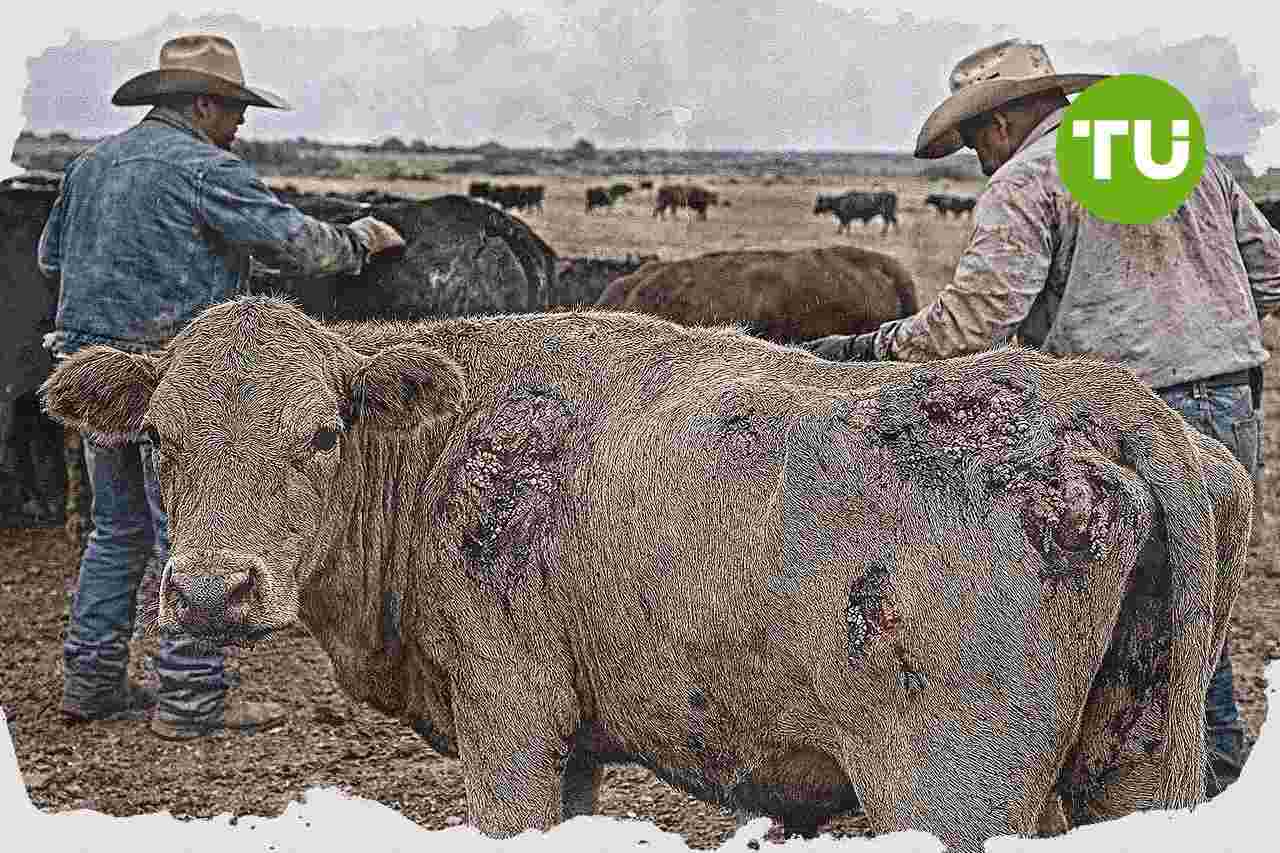
Beef prices in the U.S. remain elevated heading into summer, and the arrival of the invasive New World screwworm in Texas is adding to concerns about food inflation. The pest threatens livestock health even as officials and industry groups say there is no risk to the food supply or public health.
Highlights
- New World screwworm emergence in Texas increases concern over sustained high beef prices during the summer, despite May ground beef prices falling 1.27%.
- Beef prices remain up 12.9% year-over-year, prompting some U.S. consumers to shift purchases from steak to chicken and seafood due to budget pressures.
- Industry leaders and government officials state screwworm should not disrupt beef supply or pose public health risk, but may maintain market focus on production costs and inflation trends.
Inflation backdrop and livestock threat
As reported by CNBC, the emergence of the New World screwworm in Texas is raising fresh concern that already high beef costs could stay under pressure during the summer buying season. The parasitic fly lays larvae that burrow into the flesh of living warm-blooded animals, creating painful wounds that can become life-threatening without treatment.That risk comes as consumers are already facing expensive beef. The latest consumer price index data show ground beef prices fell 1.27% in May after a 2.7% increase in April, but beef prices are still up 12.9% from a year earlier.
For households already adjusting budgets, higher meat prices are influencing purchasing decisions. A California consumer cited in the report says she expects to buy more chicken and seafood and reduce steak purchases if beef prices climb further.
Industry response and market implications
Colin Woodall, chief executive of the National Cattlemen’s Beef Association, says the arrival of the screwworm is not unexpected and should not disrupt overall beef supply. He says ranchers already have treatment products to protect cattle and maintain herd health.Government officials and industry executives also say the situation does not pose a food safety or public health threat. Even so, the pest's presence in Texas is likely to keep market attention on cattle health, production costs and whether beef inflation eases meaningfully in coming months.
Our earlier coverage of the May U.S. CPI outlook examined signs that inflation was re-accelerating and how that shift was reshaping expectations for Federal Reserve policy, including the possibility of rates staying higher for longer or rising again. We also outlined what persistent price pressures mean for households, from higher borrowing costs to broader budget strain as living expenses outpace income growth.





Latest AssetsFX News










-
 Afghanistan
-
 Albania
-
 Algeria
-
 Angola
-
 Argentina
-
 Armenia
-
 Australia
-
 Austria
-
 Azerbaijan
-
 Bahamas
-
 Bahrain
-
 Bangladesh
-
 Belarus
-
 Belgium
-
 Bolivia
-
 Botswana
-
 Brazil
-
 Brunei
-
 Bulgaria
-
 Cambodia
-
 Cameroon
-
 Canada
-
 Chile
Chile
-
 China
China
-
 Colombia
-
 Congo
Congo
-
 Costa Rica
-
 Cote d'Ivoire
-
 Croatia
-
 Cuba
Cuba
-
 Cyprus
-
 Czechia
-
 DR Congo
-
 Denmark
-
 Dominican Republic
-
 Ecuador
-
 Egypt
Egypt
-
 El Salvador
-
 Estonia
-
 Eswatini
-
 Ethiopia
-
 Finland
-
 France
-
 Georgia
-
 Germany
-
 Ghana
Ghana
-
 Greece
-
 Haiti
Haiti
-
 Hong Kong
-
 Hungary
-
 India
India
-
 Indonesia
-
 Iran, Islamic republic
-
 Iraq
Iraq
-
 Ireland
-
 Israel
-
 Italy
Italy
-
 Jamaica
-
 Japan
Japan
-
 Jordan
-
 Kazakhstan
-
 Kenya
Kenya
-
 Korea
Korea
-
 Kuwait
-
 Kyrgyzstan
-
 Laos
Laos
-
 Latvia
-
 Lebanon
-
 Lesotho
-
 Libya
Libya
-
 Lithuania
-
 Luxembourg
-
 Madagascar
-
 Malaysia
-
 Malta
Malta
-
 Mauritius
-
 Mexico
-
 Moldova
-
 Mongolia
-
 Montenegro
-
 Morocco
-
 Mozambique
-
 Myanmar
-
 Namibia
-
 Nepal
Nepal
-
 Netherlands
-
 New Zealand
-
 Nigeria
-
 North Macedonia
-
 Norway
-
 Oman
Oman
-
 Pakistan
-
 Palestine
-
 Panama
-
 Papua New Guinea
-
 Paraguay
-
 Peru
Peru
-
 Philippines
-
 Poland
-
 Portugal
-
 Puerto Rico
-
 Qatar
Qatar
-
 Reunion
-
 Romania
-
 Rwanda
-
 Saudi Arabia
-
 Serbia
-
 Singapore
-
 Slovakia
-
 Slovenia
-
 Somalia
-
 South Africa
-
 Spain
Spain
-
 Sri Lanka
-
 Sweden
-
 Switzerland
-
 Syria
Syria
-
 Taiwan
-
 Tajikistan
-
 Tanzania
-
 Thailand
-
 Trinidad and Tobago
-
 Tunisia
-
 Turkey
-
 UAE
UAE
-
 Uganda
-
 Ukraine
-
 United Kingdom
-
United States
-
 Uruguay
-
 Uzbekistan
-
 Venezuela
-
 Vietnam
-
 Yemen
Yemen
-
 Zambia
-
 Zimbabwe
- Forex
- Crypto












