
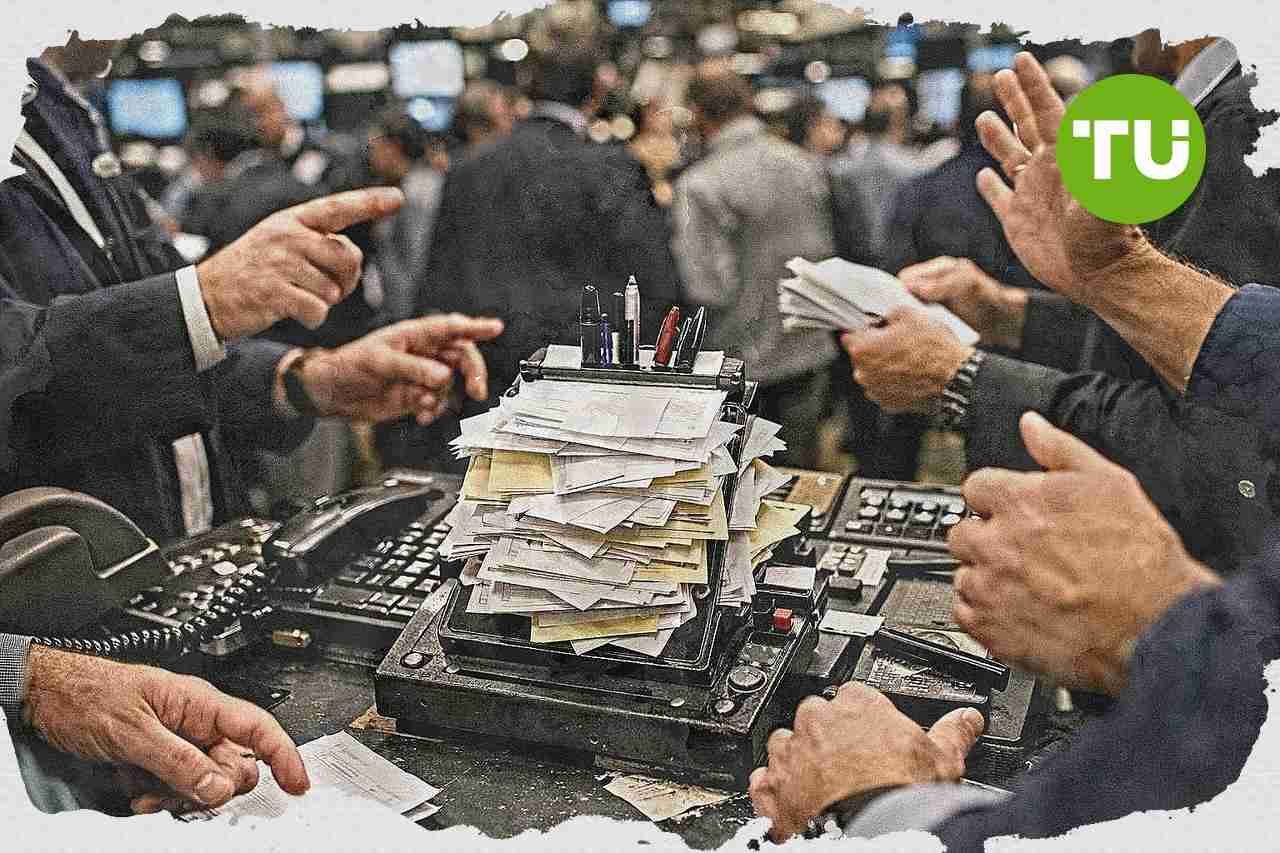
A sharp first-day rise in SpaceX shares is drawing attention to how much of the stock's early trading reflects forced buying rather than settled market pricing. The broader market backdrop also shifts as investors increasingly treat the so-called Magnificent 7 as separate earnings stories instead of a single trade.
Highlights
- SpaceX shares jumped nearly 20 percent in their market debut Friday, but persistent index fund inflows and unsettled insider supply obscure clear price discovery.
- BNP Paribas projects over $16 billion of price-insensitive buying within 15 days, while up to 1.4 billion insider shares could become sale-eligible depending on post-earnings price levels.
- The Magnificent 7's market influence persists, but diverging earnings and selective investor behavior indicate the basket's relevance as a unified trade is fading.
IPO demand and delayed price discovery
As reported by Financial Times, SpaceX's IPO rises almost 20 per cent on its debut on Friday, but early trading does not yet offer a clear view of fair value.Demand for the stock is still being shaped by large flows from index-linked funds, with BNP Paribas estimating that more than $16 billion of price-insensitive buying arrives within 15 days of Friday. That dynamic supports the view that investors who receive IPO allocations can benefit from an upward squeeze, especially if a portion of shareholders remain reluctant to sell.
Supply also remains unsettled. Up to 911 million insider-held shares become eligible for sale the day after SpaceX reports earnings for the June quarter, and that ceiling rises to 1.4 billion shares if the stock trades above $175.50 that day. This means full price discovery is likely to take time rather than emerge in the opening sessions.
Market risks and the fading Magnificent 7 trade
Concerns around SpaceX's valuation and trading structure remain present, but the commentary argues that those risks are already obvious to the market. It points to Nasdaq changing index-inclusion rules to bring SpaceX in more quickly despite its relatively small free float, and to JPMorgan Chase CEO Jamie Dimon's role in promoting the stock, as signs of how strongly institutions are leaning into the current investment and technology boom.If the shares were to fall sharply over the next year, the consequences could extend beyond investors to wider political and regulatory scrutiny. For now, however, the view presented is that buyers understand the risks and are participating willingly.
The same piece argues that the Magnificent 7 is losing relevance as a unified market concept. While the seven companies still account for about a third of the S&P 500's value, differences in earnings performance are increasingly driving investors to trade them more selectively, including within the hyperscaler group. That shift suggests the label remains influential, but its usefulness as a single trade is weakening.
In our earlier article on SpaceX’s Nasdaq debut, we examined how the company’s public listing reignited debate over whether the “Magnificent Seven” label still reflects today’s market leadership. We highlighted proposals for new groupings that could incorporate SpaceX and other private AI heavyweights, and noted how changing leadership at the top of the market has repeatedly reshaped the shorthand investors use.




Latest JPMorgan Chase News










-
 Afghanistan
-
 Albania
-
 Algeria
-
 Angola
-
 Argentina
-
 Armenia
-
 Australia
-
 Austria
-
 Azerbaijan
-
 Bahamas
-
 Bahrain
-
 Bangladesh
-
 Belarus
-
 Belgium
-
 Bolivia
-
 Botswana
-
 Brazil
-
 Brunei
-
 Bulgaria
-
 Cambodia
-
 Cameroon
-
 Canada
-
 Chile
Chile
-
 China
China
-
 Colombia
-
 Congo
Congo
-
 Costa Rica
-
 Cote d'Ivoire
-
 Croatia
-
 Cuba
Cuba
-
 Cyprus
-
 Czechia
-
 DR Congo
-
 Denmark
-
 Dominican Republic
-
 Ecuador
-
 Egypt
Egypt
-
 El Salvador
-
 Estonia
-
 Eswatini
-
 Ethiopia
-
 Finland
-
 France
-
 Georgia
-
 Germany
-
 Ghana
Ghana
-
 Greece
-
 Haiti
Haiti
-
 Hong Kong
-
 Hungary
-
 India
India
-
 Indonesia
-
 Iran, Islamic republic
-
 Iraq
Iraq
-
 Ireland
-
 Israel
-
 Italy
Italy
-
 Jamaica
-
 Japan
Japan
-
 Jordan
-
 Kazakhstan
-
 Kenya
Kenya
-
 Korea
Korea
-
 Kuwait
-
 Kyrgyzstan
-
 Laos
Laos
-
 Latvia
-
 Lebanon
-
 Lesotho
-
 Libya
Libya
-
 Lithuania
-
 Luxembourg
-
 Madagascar
-
 Malaysia
-
 Malta
Malta
-
 Mauritius
-
 Mexico
-
 Moldova
-
 Mongolia
-
 Montenegro
-
 Morocco
-
 Mozambique
-
 Myanmar
-
 Namibia
-
 Nepal
Nepal
-
 Netherlands
-
 New Zealand
-
 Nigeria
-
 North Macedonia
-
 Norway
-
 Oman
Oman
-
 Pakistan
-
 Palestine
-
 Panama
-
 Papua New Guinea
-
 Paraguay
-
 Peru
Peru
-
 Philippines
-
 Poland
-
 Portugal
-
 Puerto Rico
-
 Qatar
Qatar
-
 Reunion
-
 Romania
-
 Rwanda
-
 Saudi Arabia
-
 Serbia
-
 Singapore
-
 Slovakia
-
 Slovenia
-
 Somalia
-
 South Africa
-
 Spain
Spain
-
 Sri Lanka
-
 Sweden
-
 Switzerland
-
 Syria
Syria
-
 Taiwan
-
 Tajikistan
-
 Tanzania
-
 Thailand
-
 Trinidad and Tobago
-
 Tunisia
-
 Turkey
-
 UAE
UAE
-
 Uganda
-
 Ukraine
-
 United Kingdom
-
United States
-
 Uruguay
-
 Uzbekistan
-
 Venezuela
-
 Vietnam
-
 Yemen
Yemen
-
 Zambia
-
 Zimbabwe
- Forex
- Crypto











