

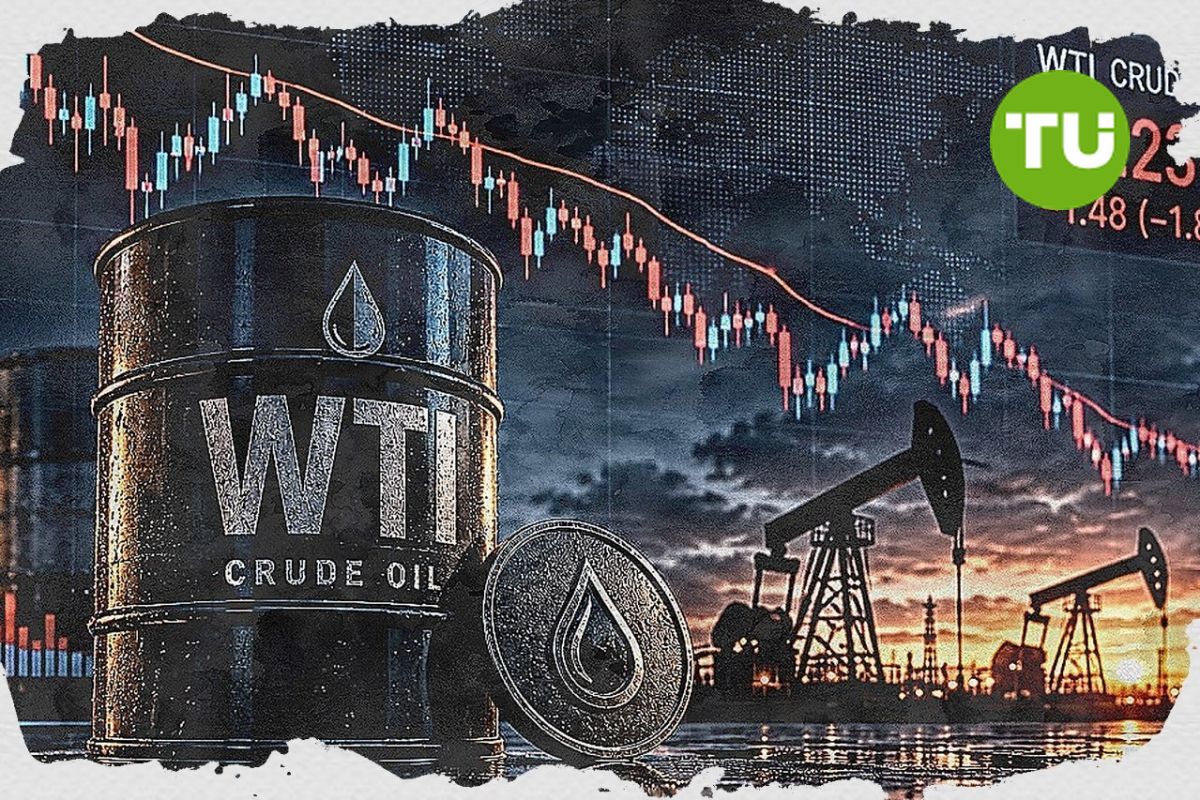
WTI crude prices came under heavy pressure at the start of the week, falling to their lowest levels in several months. The primary catalyst behind the sell-off was the progress in negotiations between the United States and Iran, along with the extension of the ceasefire, which significantly reduced concerns over potential supply disruptions through the Strait of Hormuz.

The market is rapidly pricing out the geopolitical risk premium that had previously supported oil prices during the period of heightened tensions in the region.
Strait of Hormuz developments reshape market expectations
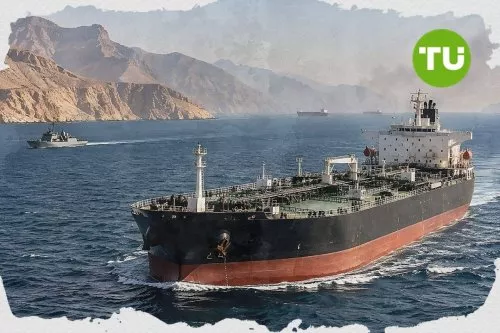
Additional downward pressure on crude prices comes from expectations of a gradual normalization of shipping activity through the Strait of Hormuz, a critical route for a significant share of global oil exports. Investors are increasingly factoring in the possibility of higher physical supply from Gulf producers, as well as the potential return of additional Iranian barrels to the market should negotiations continue to progress. Against this backdrop, market participants have been actively unwinding long positions established during the peak of geopolitical uncertainty.
Rising supply expectations add to bearish pressure
Beyond the easing geopolitical risks, the oil market continues to face softer fundamental conditions. Another negative factor remains OPEC+'s strategy of gradually increasing production, reinforcing expectations of higher global supply in the second half of the year. At the same time, investors remain focused on the outlook for global demand, which continues to be vulnerable to slower economic growth across major economies.
Focus shifts to the durability of diplomatic progress
In the near term, WTI price action will largely depend on whether the current diplomatic progress between the United States and Iran proves sustainable. If de-escalation continues and oil flows through the Strait of Hormuz normalize without major disruptions, the market may continue to remove the remaining geopolitical premium from crude prices. However, any signs of renewed tensions or a breakdown in negotiations could quickly restore volatility and provide support for oil prices. For now, the balance of risks remains tilted to the downside.
Near-term outlook
The latest sell-off in WTI following a rebound toward the $87.00 resistance area resulted in a break below the $83.50 support level and pushed prices toward the key psychological threshold at $80.00. The outlook for WTI has deteriorated considerably, although a modest recovery toward the $81.50–82.50 range remains possible from current levels. A decisive break below support could open the way for a decline toward the $78.00–77.00 area. As previously highlighted in WTI continues to decline amid progress in U.S.-Iran talks, lower oil prices remain the most likely scenario in the near term, although any renewed escalation in the Middle East could trigger a sharp rebound.





Latest WTI News





-
 Afghanistan
-
 Albania
-
 Algeria
-
 Angola
-
 Argentina
-
 Armenia
-
 Australia
-
 Austria
-
 Azerbaijan
-
 Bahamas
-
 Bahrain
-
 Bangladesh
-
 Belarus
-
 Belgium
-
 Bolivia
-
 Botswana
-
 Brazil
-
 Brunei
-
 Bulgaria
-
 Cambodia
-
 Cameroon
-
 Canada
-
 Chile
Chile
-
 China
China
-
 Colombia
-
 Congo
Congo
-
 Costa Rica
-
 Cote d'Ivoire
-
 Croatia
-
 Cuba
Cuba
-
 Cyprus
-
 Czechia
-
 DR Congo
-
 Denmark
-
 Dominican Republic
-
 Ecuador
-
 Egypt
Egypt
-
 El Salvador
-
 Estonia
-
 Eswatini
-
 Ethiopia
-
 Finland
-
 France
-
 Georgia
-
 Germany
-
 Ghana
Ghana
-
 Greece
-
 Haiti
Haiti
-
 Hong Kong
-
 Hungary
-
 India
India
-
 Indonesia
-
 Iran, Islamic republic
-
 Iraq
Iraq
-
 Ireland
-
 Israel
-
 Italy
Italy
-
 Jamaica
-
 Japan
Japan
-
 Jordan
-
 Kazakhstan
-
 Kenya
Kenya
-
 Korea
Korea
-
 Kuwait
-
 Kyrgyzstan
-
 Laos
Laos
-
 Latvia
-
 Lebanon
-
 Lesotho
-
 Libya
Libya
-
 Lithuania
-
 Luxembourg
-
 Madagascar
-
 Malaysia
-
 Malta
Malta
-
 Mauritius
-
 Mexico
-
 Moldova
-
 Mongolia
-
 Montenegro
-
 Morocco
-
 Mozambique
-
 Myanmar
-
 Namibia
-
 Nepal
Nepal
-
 Netherlands
-
 New Zealand
-
 Nigeria
-
 North Macedonia
-
 Norway
-
 Oman
Oman
-
 Pakistan
-
 Palestine
-
 Panama
-
 Papua New Guinea
-
 Paraguay
-
 Peru
Peru
-
 Philippines
-
 Poland
-
 Portugal
-
 Puerto Rico
-
 Qatar
Qatar
-
 Reunion
-
 Romania
-
 Rwanda
-
 Saudi Arabia
-
 Serbia
-
 Singapore
-
 Slovakia
-
 Slovenia
-
 Somalia
-
 South Africa
-
 Spain
Spain
-
 Sri Lanka
-
 Sweden
-
 Switzerland
-
 Syria
Syria
-
 Taiwan
-
 Tajikistan
-
 Tanzania
-
 Thailand
-
 Trinidad and Tobago
-
 Tunisia
-
 Turkey
-
 UAE
UAE
-
 Uganda
-
 Ukraine
-
 United Kingdom
-
United States
-
 Uruguay
-
 Uzbekistan
-
 Venezuela
-
 Vietnam
-
 Yemen
Yemen
-
 Zambia
-
 Zimbabwe
- Forex
- Crypto












