
ByteDance seeks Chinese AI chips amid U.S. restrictions
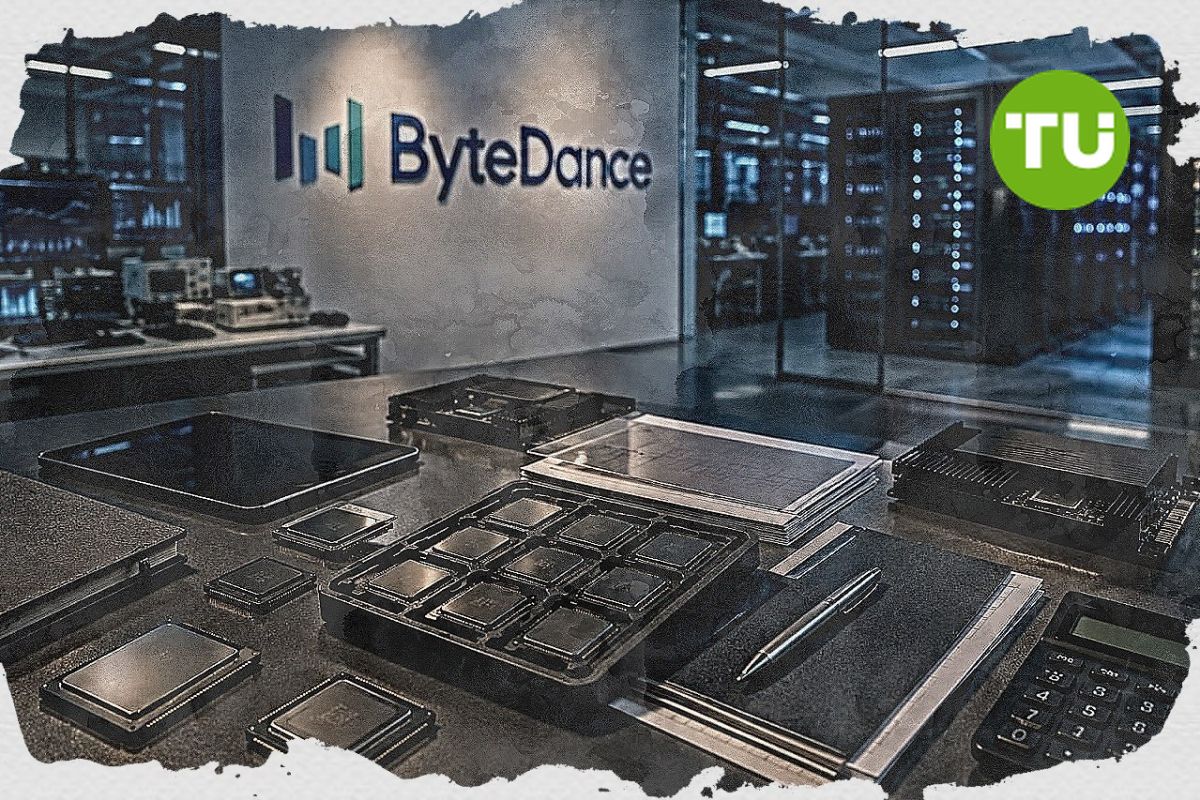
ByteDance is in talks to buy artificial intelligence chips from China’s Iluvatar CoreX, a sign that domestic semiconductor suppliers are gaining ground as U.S. export controls limit access to Nvidia hardware. The discussions also show how quickly China’s largest internet companies are adjusting their AI infrastructure plans around locally made chips.
Highlights
- ByteDance is in talks to buy AI chips from Iluvatar CoreX.
- The company is also considering Baidu’s Kunlunxin chips.
- Iluvatar could become ByteDance’s third major domestic GPU supplier.
The TikTok parent is considering a purchase of Iluvatar CoreX chips for inference workloads and is also weighing a similar deal with Baidu’s Kunlunxin chip unit, according to Reuters. If completed, Iluvatar CoreX would become ByteDance’s third major domestic GPU supplier after Huawei and Cambricon.
Domestic suppliers gain traction
ByteDance’s interest in Iluvatar CoreX reflects a broader shift in China’s AI hardware market. Beijing has pushed technology companies to use locally developed chips as Washington restricts the export of advanced processors used for training and running AI models.
Chinese GPU and AI chipmakers captured nearly 41% of China’s AI accelerator server market last year. Nvidia’s position in China has weakened sharply, with Chief Executive Jensen Huang saying the company’s market share in the country has effectively fallen to zero.
The potential Iluvatar deal is focused mainly on inference, the process of running AI models to answer user requests. That is different from training, which usually requires the most powerful chips. For ByteDance, inference capacity is increasingly important as it expands Doubao, its flagship AI chatbot, and supports other AI products across its business.
Iluvatar seeks commercial breakthrough
Iluvatar CoreX is expected to ship at least 50,000 chips to ByteDance this year if the deal moves ahead, with most intended for inference work. The agreement would mark a major commercial milestone for the Shanghai-based startup, which has so far mainly supplied government procurement projects.
The company listed in Hong Kong in January and reported 1 billion yuan, or about $148 million, in 2025 revenue, with roughly 90% coming from GPU sales. Its Tiangai series is designed for AI training, while its Zhikai series targets inference tasks. A Huatai Securities note estimated that Iluvatar CoreX revenue could rise to 3.04 billion yuan this year, while total shipments could increase 139% to more than 100,000 chips.
Investors reacted quickly to the report. Iluvatar CoreX shares rose 12% in Hong Kong after news of the ByteDance talks, reflecting expectations that a large commercial order could validate the company’s position in China’s AI chip market.
China’s AI supply chain shifts inward
The ByteDance talks matter because they show that China’s domestic chip ecosystem is moving beyond policy support and into large-scale commercial adoption. A deal with one of China’s biggest AI infrastructure buyers would help Iluvatar CoreX prove that its chips can serve major private-sector customers, not only state-linked projects.
For ByteDance, the choice is partly strategic and partly practical. As access to Nvidia chips becomes less reliable, the company needs alternative suppliers to support Doubao and other AI services.
We also reported that Anthropic blocks put OpenAI, Google, and Meta on alert.









-
 Afghanistan
-
 Albania
-
 Algeria
-
 Angola
-
 Argentina
-
 Armenia
-
 Australia
-
 Austria
-
 Azerbaijan
-
 Bahamas
-
 Bahrain
-
 Bangladesh
-
 Belarus
-
 Belgium
-
 Bolivia
-
 Botswana
-
 Brazil
-
 Brunei
-
 Bulgaria
-
 Cambodia
-
 Cameroon
-
 Canada
-
 Chile
Chile
-
 China
China
-
 Colombia
-
 Congo
Congo
-
 Costa Rica
-
 Cote d'Ivoire
-
 Croatia
-
 Cuba
Cuba
-
 Cyprus
-
 Czechia
-
 DR Congo
-
 Denmark
-
 Dominican Republic
-
 Ecuador
-
 Egypt
Egypt
-
 El Salvador
-
 Estonia
-
 Eswatini
-
 Ethiopia
-
 Finland
-
 France
-
 Georgia
-
 Germany
-
 Ghana
Ghana
-
 Greece
-
 Haiti
Haiti
-
 Hong Kong
-
 Hungary
-
 India
India
-
 Indonesia
-
 Iran, Islamic republic
-
 Iraq
Iraq
-
 Ireland
-
 Israel
-
 Italy
Italy
-
 Jamaica
-
 Japan
Japan
-
 Jordan
-
 Kazakhstan
-
 Kenya
Kenya
-
 Korea
Korea
-
 Kuwait
-
 Kyrgyzstan
-
 Laos
Laos
-
 Latvia
-
 Lebanon
-
 Lesotho
-
 Libya
Libya
-
 Lithuania
-
 Luxembourg
-
 Madagascar
-
 Malaysia
-
 Malta
Malta
-
 Mauritius
-
 Mexico
-
 Moldova
-
 Mongolia
-
 Montenegro
-
 Morocco
-
 Mozambique
-
 Myanmar
-
 Namibia
-
 Nepal
Nepal
-
 Netherlands
-
 New Zealand
-
 Nigeria
-
 North Macedonia
-
 Norway
-
 Oman
Oman
-
 Pakistan
-
 Palestine
-
 Panama
-
 Papua New Guinea
-
 Paraguay
-
 Peru
Peru
-
 Philippines
-
 Poland
-
 Portugal
-
 Puerto Rico
-
 Qatar
Qatar
-
 Reunion
-
 Romania
-
 Rwanda
-
 Saudi Arabia
-
 Serbia
-
 Singapore
-
 Slovakia
-
 Slovenia
-
 Somalia
-
 South Africa
-
 Spain
Spain
-
 Sri Lanka
-
 Sweden
-
 Switzerland
-
 Syria
Syria
-
 Taiwan
-
 Tajikistan
-
 Tanzania
-
 Thailand
-
 Trinidad and Tobago
-
 Tunisia
-
 Turkey
-
 UAE
UAE
-
 Uganda
-
 Ukraine
-
 United Kingdom
-
United States
-
 Uruguay
-
 Uzbekistan
-
 Venezuela
-
 Vietnam
-
 Yemen
Yemen
-
 Zambia
-
 Zimbabwe
- Forex
- Crypto











