

U.S. oil pullback points to slower inflation, but household price relief may lag
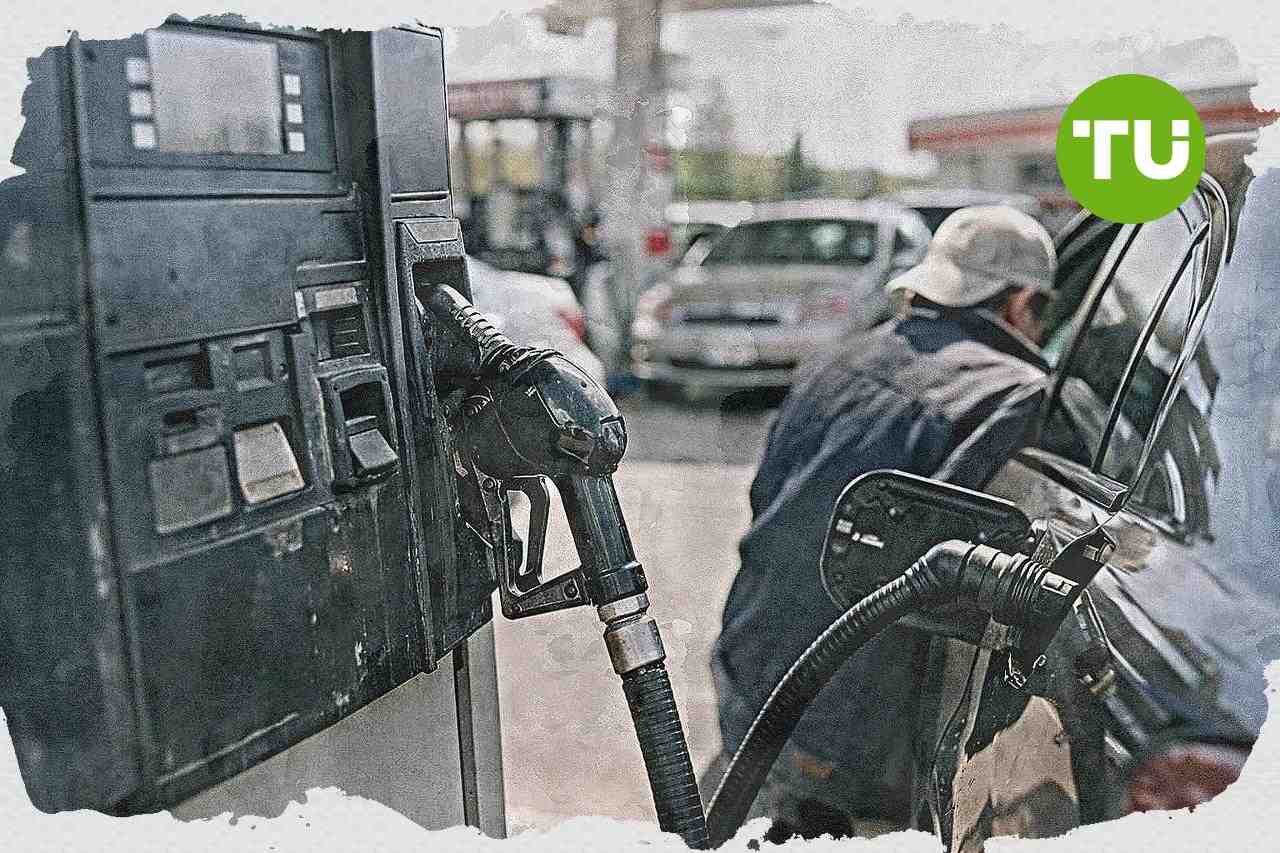
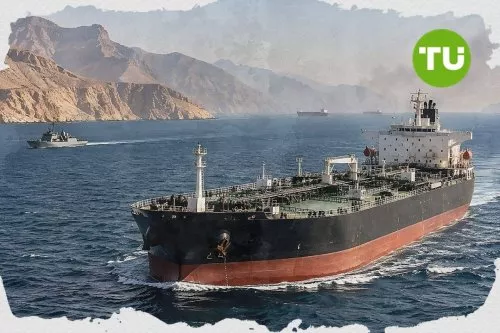
Oil prices are retreating after a tentative agreement to reopen the Strait of Hormuz, easing immediate pressure on U.S. fuel costs. The shift is likely to reach gasoline prices first, while food, travel and household expenses may take months to reflect lower energy costs.
Highlights
- U.S. crude oil futures fell below $80 a barrel, their lowest since March, after a tentative deal to reopen the Strait of Hormuz.
- A sustained 10% move in oil prices can add up to a third percentage point to annual inflation, but household savings beyond fuel may lag.
- Supply recovery delays and rebuilding of strategic reserves may keep broad consumer prices elevated for months even if oil prices stabilize.
Oil decline eases fuel pressure
As reported by CNBC, U.S. crude oil futures have fallen below $80 a barrel, their lowest level since March, after news of a tentative agreement to reopen the Strait of Hormuz.That move is important beyond energy markets because sustained oil swings feed into broader inflation. Christopher Hodge, an economist at Natixis CIB Americas, says a sustained 10% increase in oil prices can add as much as a third of a percentage point to annual inflation over the following year.
Gasoline prices usually adjust faster than most other consumer costs because fuel is refined directly from petroleum. If lower crude prices hold, drivers could start seeing some relief at the pump within about a week, according to David Ortega, a food economist at Michigan State University.
Broader consumer savings take longer
Cheaper oil does not mean immediate price cuts across the economy. Stephen Kates, a financial analyst at Bankrate, says consumers may get relief on gasoline but should not expect broad price reductions in everyday spending.One reason is that crude prices may not stay low even if the strait reopens. Supplies may take time to recover, and countries that used strategic reserves during the crisis still need to rebuild them, creating extra demand for oil, Kates says.
Oil also shapes the cost of transporting goods, making products and producing food, but those effects move through supply chains at different speeds. Ortega says fresh produce may respond faster than packaged foods because shorter shelf life and quicker inventory turnover allow costs to reset sooner.
He says it can take more than six months from the start of an oil-price shock for the full effect to appear in grocery bills, and any relief usually arrives just as gradually. Tammy Kulesa, senior director of supply chain execution at Blue Yonder, says elevated freight rates, risk premiums and refinery disruptions could keep some prices high for months, while airfares, appliances and household goods may continue to reflect higher fuel, shipping and manufacturing costs even after oil markets stabilize.
Kates says inflation may cool through the summer, but that does not mean most prices actually fall. Instead, many goods and services are more likely to keep rising at a slower pace.
In our earlier article on WTI crude sliding back into the $78–80 range, we explained that the drop followed a sharp reversal from above $110 as the market rapidly priced out the geopolitical premium tied to risks around the Strait of Hormuz. We also noted that expectations of supply normalization and a potential increase in global output added to the bearish pressure, with $78–80 flagged as a key support zone and $85 as a level WTI would need to reclaim to improve sentiment.










-
 Afghanistan
-
 Albania
-
 Algeria
-
 Angola
-
 Argentina
-
 Armenia
-
 Australia
-
 Austria
-
 Azerbaijan
-
 Bahamas
-
 Bahrain
-
 Bangladesh
-
 Belarus
-
 Belgium
-
 Bolivia
-
 Botswana
-
 Brazil
-
 Brunei
-
 Bulgaria
-
 Cambodia
-
 Cameroon
-
 Canada
-
 Chile
Chile
-
 China
China
-
 Colombia
-
 Congo
Congo
-
 Costa Rica
-
 Cote d'Ivoire
-
 Croatia
-
 Cuba
Cuba
-
 Cyprus
-
 Czechia
-
 DR Congo
-
 Denmark
-
 Dominican Republic
-
 Ecuador
-
 Egypt
Egypt
-
 El Salvador
-
 Estonia
-
 Eswatini
-
 Ethiopia
-
 Finland
-
 France
-
 Georgia
-
 Germany
-
 Ghana
Ghana
-
 Greece
-
 Haiti
Haiti
-
 Hong Kong
-
 Hungary
-
 India
India
-
 Indonesia
-
 Iran, Islamic republic
-
 Iraq
Iraq
-
 Ireland
-
 Israel
-
 Italy
Italy
-
 Jamaica
-
 Japan
Japan
-
 Jordan
-
 Kazakhstan
-
 Kenya
Kenya
-
 Korea
Korea
-
 Kuwait
-
 Kyrgyzstan
-
 Laos
Laos
-
 Latvia
-
 Lebanon
-
 Lesotho
-
 Libya
Libya
-
 Lithuania
-
 Luxembourg
-
 Madagascar
-
 Malaysia
-
 Malta
Malta
-
 Mauritius
-
 Mexico
-
 Moldova
-
 Mongolia
-
 Montenegro
-
 Morocco
-
 Mozambique
-
 Myanmar
-
 Namibia
-
 Nepal
Nepal
-
 Netherlands
-
 New Zealand
-
 Nigeria
-
 North Macedonia
-
 Norway
-
 Oman
Oman
-
 Pakistan
-
 Palestine
-
 Panama
-
 Papua New Guinea
-
 Paraguay
-
 Peru
Peru
-
 Philippines
-
 Poland
-
 Portugal
-
 Puerto Rico
-
 Qatar
Qatar
-
 Reunion
-
 Romania
-
 Rwanda
-
 Saudi Arabia
-
 Serbia
-
 Singapore
-
 Slovakia
-
 Slovenia
-
 Somalia
-
 South Africa
-
 Spain
Spain
-
 Sri Lanka
-
 Sweden
-
 Switzerland
-
 Syria
Syria
-
 Taiwan
-
 Tajikistan
-
 Tanzania
-
 Thailand
-
 Trinidad and Tobago
-
 Tunisia
-
 Turkey
-
 UAE
UAE
-
 Uganda
-
 Ukraine
-
 United Kingdom
-
United States
-
 Uruguay
-
 Uzbekistan
-
 Venezuela
-
 Vietnam
-
 Yemen
Yemen
-
 Zambia
-
 Zimbabwe
- Forex
- Crypto












