

U.S. outlines Iran negotiation framework during Gulf security talks
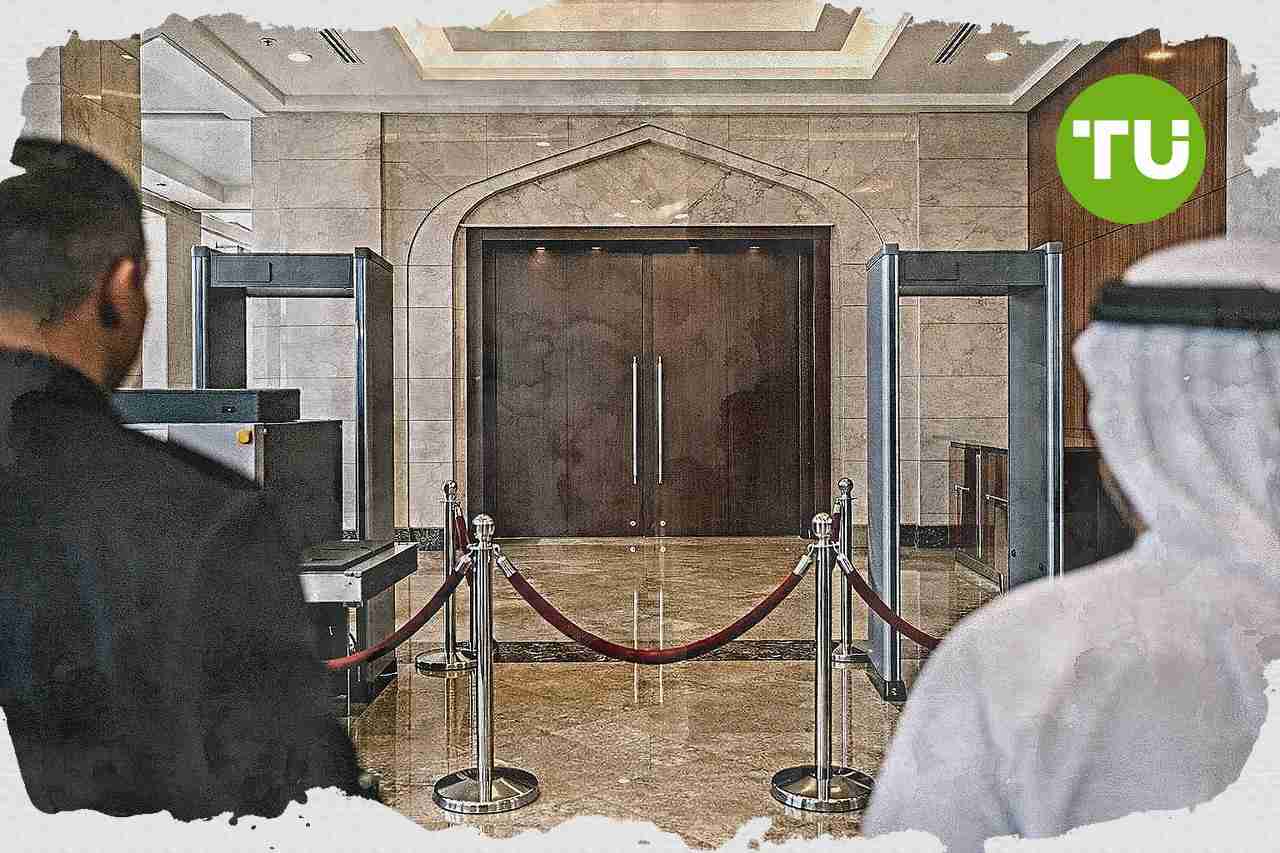
Regional diplomacy is centered on Iran, maritime security and allied coordination as Secretary of State Marco Rubio meets partners in the United Arab Emirates. He says a preliminary framework for progress exists, but adds that implementation depends on whether Tehran follows through on commitments and addresses broader security issues.
Highlights
- The U.S. set the next phase of negotiations with Iran contingent on Tehran fulfilling inspection commitments, with decisions pending from President Trump if compliance fails.
- A U.S. reconstruction fund for Iran was ruled out, and future investment depends on Iranian leadership choices and progress on unresolved regional security issues.
- Maritime access and missile concerns, including freedom of navigation in the Strait of Hormuz, remain key diplomatic topics, with regional states expected to uphold international law.
Abu Dhabi talks focus on Iran and regional security
As reported by the U.S. Department of State, Rubio tells reporters in Abu Dhabi that Washington believes it knows what Iran agreed to regarding inspections and says the next phase depends on whether Tehran carries out those commitments. He says the process moves forward if Iran complies, while President Donald Trump will have decisions to make if it does not.Rubio says the U.S. is consulting closely with Gulf partners and describes the visit as part of longstanding security relationships with the three countries on his itinerary. He says officials want to hear allies' views after this weekend in Switzerland and ensure their security and economic concerns are reflected in U.S. decision-making.
On a broader peace framework, Rubio says U.S. allies support peace in principle, but the details remain under discussion. He says groundwork was laid over the last 72 hours, while cautioning that an issue spanning 47 years is not resolved quickly and that substantial negotiations still remain.
Investment, Lebanon and Hormuz remain key policy issues
Rubio says talk of a reconstruction fund for Iran is premature and rules out U.S. government money for any such effort. He says future investment opportunities would depend on choices made by Iran's leadership and on progress across a range of unresolved security matters.He also says talks involving Lebanese and Israeli officials in Washington are separate from the Iran track because Lebanon is a sovereign state with its own government. While Iranian backing for Hizballah remains part of U.S. discussions with Tehran, Rubio says Washington is dealing directly with the Lebanese Government on Lebanon's future.
Addressing regional concerns over missiles, proxies and maritime access, Rubio says those issues will come up in negotiations even if they are outside the memorandum of understanding. He adds that freedom of navigation in the Strait of Hormuz is governed by international law and says countries in the region are expected to support that position.
In our earlier coverage of rising U.S. Treasury yields and growing strains in the $30tn government bond market, we noted that weakening traditional demand and heavier reliance on leveraged, short-term traders can amplify volatility during stress. We also highlighted how policy uncertainty in Washington—including Federal Reserve communication and balance-sheet choices—could keep borrowing costs elevated and make market reactions more abrupt.





Latest UN Sanctions News




-
 Afghanistan
-
 Albania
-
 Algeria
-
 Angola
-
 Argentina
-
 Armenia
-
 Australia
-
 Austria
-
 Azerbaijan
-
 Bahamas
-
 Bahrain
-
 Bangladesh
-
 Belarus
-
 Belgium
-
 Bolivia
-
 Botswana
-
 Brazil
-
 Brunei
-
 Bulgaria
-
 Cambodia
-
 Cameroon
-
 Canada
-
 Chile
Chile
-
 China
China
-
 Colombia
-
 Congo
Congo
-
 Costa Rica
-
 Cote d'Ivoire
-
 Croatia
-
 Cuba
Cuba
-
 Cyprus
-
 Czechia
-
 DR Congo
-
 Denmark
-
 Dominican Republic
-
 Ecuador
-
 Egypt
Egypt
-
 El Salvador
-
 Estonia
-
 Eswatini
-
 Ethiopia
-
 Finland
-
 France
-
 Georgia
-
 Germany
-
 Ghana
Ghana
-
 Greece
-
 Haiti
Haiti
-
 Hong Kong
-
 Hungary
-
 India
India
-
 Indonesia
-
 Iran, Islamic republic
-
 Iraq
Iraq
-
 Ireland
-
 Israel
-
 Italy
Italy
-
 Jamaica
-
 Japan
Japan
-
 Jordan
-
 Kazakhstan
-
 Kenya
Kenya
-
 Korea
Korea
-
 Kuwait
-
 Kyrgyzstan
-
 Laos
Laos
-
 Latvia
-
 Lebanon
-
 Lesotho
-
 Libya
Libya
-
 Lithuania
-
 Luxembourg
-
 Madagascar
-
 Malaysia
-
 Malta
Malta
-
 Mauritius
-
 Mexico
-
 Moldova
-
 Mongolia
-
 Montenegro
-
 Morocco
-
 Mozambique
-
 Myanmar
-
 Namibia
-
 Nepal
Nepal
-
 Netherlands
-
 New Zealand
-
 Nigeria
-
 North Macedonia
-
 Norway
-
 Oman
Oman
-
 Pakistan
-
 Palestine
-
 Panama
-
 Papua New Guinea
-
 Paraguay
-
 Peru
Peru
-
 Philippines
-
 Poland
-
 Portugal
-
 Puerto Rico
-
 Qatar
Qatar
-
 Reunion
-
 Romania
-
 Rwanda
-
 Saudi Arabia
-
 Serbia
-
 Singapore
-
 Slovakia
-
 Slovenia
-
 Somalia
-
 South Africa
-
 Spain
Spain
-
 Sri Lanka
-
 Sweden
-
 Switzerland
-
 Syria
Syria
-
 Taiwan
-
 Tajikistan
-
 Tanzania
-
 Thailand
-
 Trinidad and Tobago
-
 Tunisia
-
 Turkey
-
 UAE
UAE
-
 Uganda
-
 Ukraine
-
 United Kingdom
-
United States
-
 Uruguay
-
 Uzbekistan
-
 Venezuela
-
 Vietnam
-
 Yemen
Yemen
-
 Zambia
-
 Zimbabwe
- Forex
- Crypto












