
U.S. markets set for higher open as chip sell-off, Fed search and Iran policy steer trading
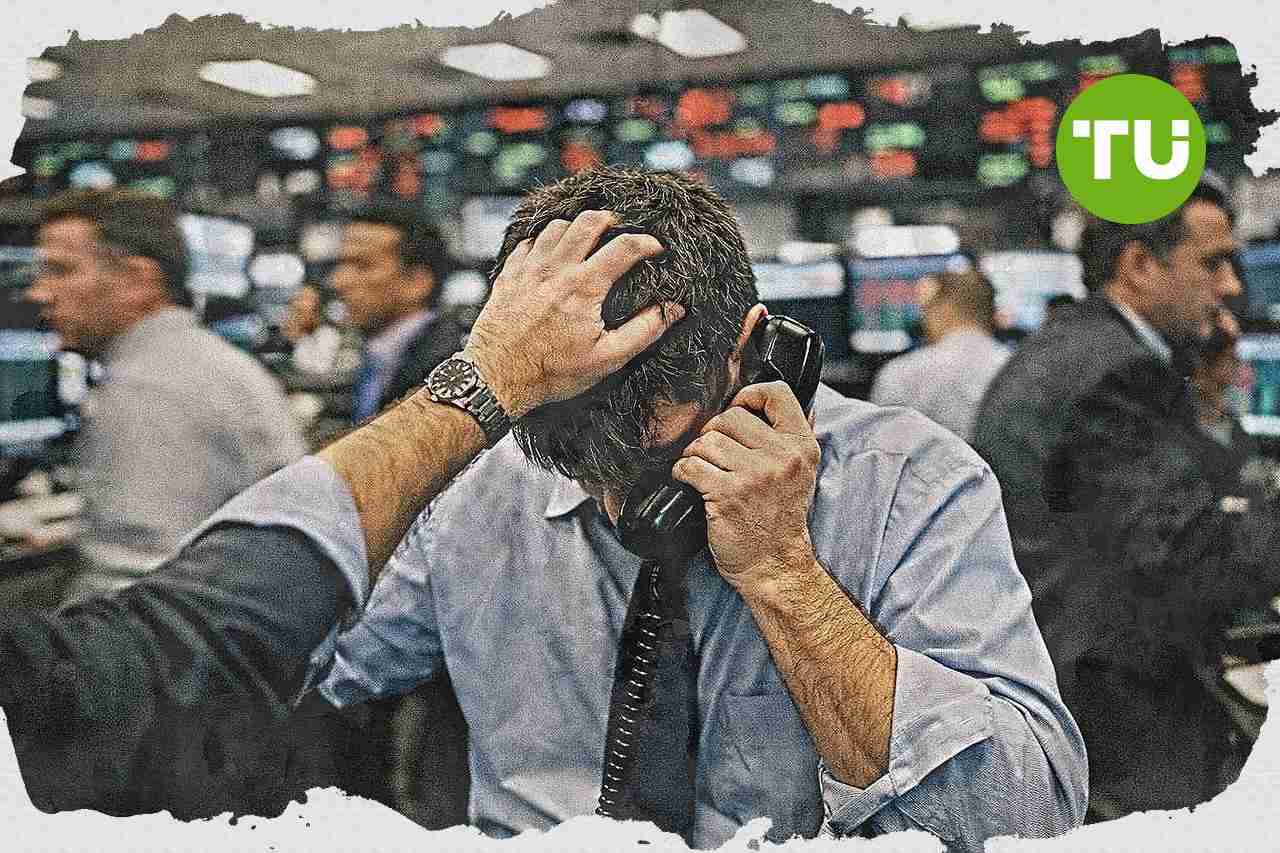
Investors head into Wednesday with stock futures higher after all three major U.S. indexes close lower in the previous session. The trading setup reflects pressure on semiconductor shares, fresh signals on Iran policy and new scrutiny of corporate earnings and labor conditions.
Highlights
- Micron slides sharply ahead of Wednesday's earnings, dragging Nasdaq Composite down over 2% as global chip stocks sell off and South Korea's index plunges.
- Cerebras drops 10% premarket after reporting a 92% year-over-year revenue jump but guides Q2 core gross margin to 36-38%, down from 46.5% last quarter.
- Senate passes symbolic Iran war powers resolution amid U.S.-Iran negotiations, while uncertainty grows over Fed leadership and factory job cuts reach 2009 levels per S&P Global.
Market drivers before the opening bell
As reported by CNBC, semiconductor stocks lead a broad risk reset across global markets on Tuesday, with Micron and Intel giving back part of their recent gains tied to the artificial intelligence infrastructure boom.Micron posts one of its steepest one-day declines in recent years ahead of earnings due after Wednesday's close. Other chip names including Sandisk, Intel and Advanced Micro Devices also move lower, helping pull the Nasdaq Composite down by more than 2%, while South Korea's benchmark index suffers one of its worst sessions on record because of its heavy memory-stock exposure.
Outside the chip sector, some large-cap and cyclical stocks show relative resilience. Microsoft, Amazon and Walmart stand out as exceptions to the broader weakness.
Investors are also watching Cerebras, whose shares fall 10% in premarket trading after the AI chipmaker releases its first earnings report since listing last month. The company says first-quarter revenue jumps 92% from a year earlier, but its expected second-quarter core gross margin of 36% to 38% trails the prior quarter's 46.5%, weighing on sentiment.
Policy signals and sector shifts shape outlook
Geopolitics remains in focus after President Donald Trump says Iran tells the U.S. there will be no tolls, insurance costs or other charges on ships crossing the Strait of Hormuz. Treasury Secretary Scott Bessent also says his department will oversee frozen Iranian funds set to be released under the U.S. agreement with Tehran, even as some congressional Republicans criticize the scale of concessions.The political backdrop grows more complex after the Senate narrowly adopts an Iran war powers resolution calling for an end to U.S. hostilities. The measure is not set to become law, leaving the bipartisan rebuke of Trump symbolic rather than binding.
In monetary policy, markets are seeking clues on how Federal Reserve Chairman Kevin Warsh plans to reshape the central bank. The search for the next Atlanta Fed president is drawing attention because candidates were previously considered under former Chair Jerome Powell, but that process is paused in part so Warsh can oversee the selection.
Beyond finance and policy, the PGA Tour outlines structural changes for the 2028 season, including two separate tournament series based on level of play and the return of playoff match-play events. In industry data, S&P Global says workforce reductions at U.S. factories are nearing levels last seen in 2009, excluding the pandemic period, highlighting concerns about demand durability and rising raw-material costs.
In our earlier article on the tech-led selloff that hit global markets, we covered how chip stocks slid sharply as investors reassessed whether the AI-driven rally had run too far. We also pointed to Micron’s upcoming earnings as a key near-term catalyst for sentiment across semiconductors, with broader macro and geopolitical cross-currents amplifying market swings.


Latest TSMC News







-
 Afghanistan
-
 Albania
-
 Algeria
-
 Angola
-
 Argentina
-
 Armenia
-
 Australia
-
 Austria
-
 Azerbaijan
-
 Bahamas
-
 Bahrain
-
 Bangladesh
-
 Belarus
-
 Belgium
-
 Bolivia
-
 Botswana
-
 Brazil
-
 Brunei
-
 Bulgaria
-
 Cambodia
-
 Cameroon
-
 Canada
-
 Chile
Chile
-
 China
China
-
 Colombia
-
 Congo
Congo
-
 Costa Rica
-
 Cote d'Ivoire
-
 Croatia
-
 Cuba
Cuba
-
 Cyprus
-
 Czechia
-
 DR Congo
-
 Denmark
-
 Dominican Republic
-
 Ecuador
-
 Egypt
Egypt
-
 El Salvador
-
 Estonia
-
 Eswatini
-
 Ethiopia
-
 Finland
-
 France
-
 Georgia
-
 Germany
-
 Ghana
Ghana
-
 Greece
-
 Haiti
Haiti
-
 Hong Kong
-
 Hungary
-
 India
India
-
 Indonesia
-
 Iran, Islamic republic
-
 Iraq
Iraq
-
 Ireland
-
 Israel
-
 Italy
Italy
-
 Jamaica
-
 Japan
Japan
-
 Jordan
-
 Kazakhstan
-
 Kenya
Kenya
-
 Korea
Korea
-
 Kuwait
-
 Kyrgyzstan
-
 Laos
Laos
-
 Latvia
-
 Lebanon
-
 Lesotho
-
 Libya
Libya
-
 Lithuania
-
 Luxembourg
-
 Madagascar
-
 Malaysia
-
 Malta
Malta
-
 Mauritius
-
 Mexico
-
 Moldova
-
 Mongolia
-
 Montenegro
-
 Morocco
-
 Mozambique
-
 Myanmar
-
 Namibia
-
 Nepal
Nepal
-
 Netherlands
-
 New Zealand
-
 Nigeria
-
 North Macedonia
-
 Norway
-
 Oman
Oman
-
 Pakistan
-
 Palestine
-
 Panama
-
 Papua New Guinea
-
 Paraguay
-
 Peru
Peru
-
 Philippines
-
 Poland
-
 Portugal
-
 Puerto Rico
-
 Qatar
Qatar
-
 Reunion
-
 Romania
-
 Rwanda
-
 Saudi Arabia
-
 Serbia
-
 Singapore
-
 Slovakia
-
 Slovenia
-
 Somalia
-
 South Africa
-
 Spain
Spain
-
 Sri Lanka
-
 Sweden
-
 Switzerland
-
 Syria
Syria
-
 Taiwan
-
 Tajikistan
-
 Tanzania
-
 Thailand
-
 Trinidad and Tobago
-
 Tunisia
-
 Turkey
-
 UAE
UAE
-
 Uganda
-
 Ukraine
-
 United Kingdom
-
United States
-
 Uruguay
-
 Uzbekistan
-
 Venezuela
-
 Vietnam
-
 Yemen
Yemen
-
 Zambia
-
 Zimbabwe
- Forex
- Crypto











