
U.S. says Hormuz shipping risk eases as naval escorts curb Iran leverage
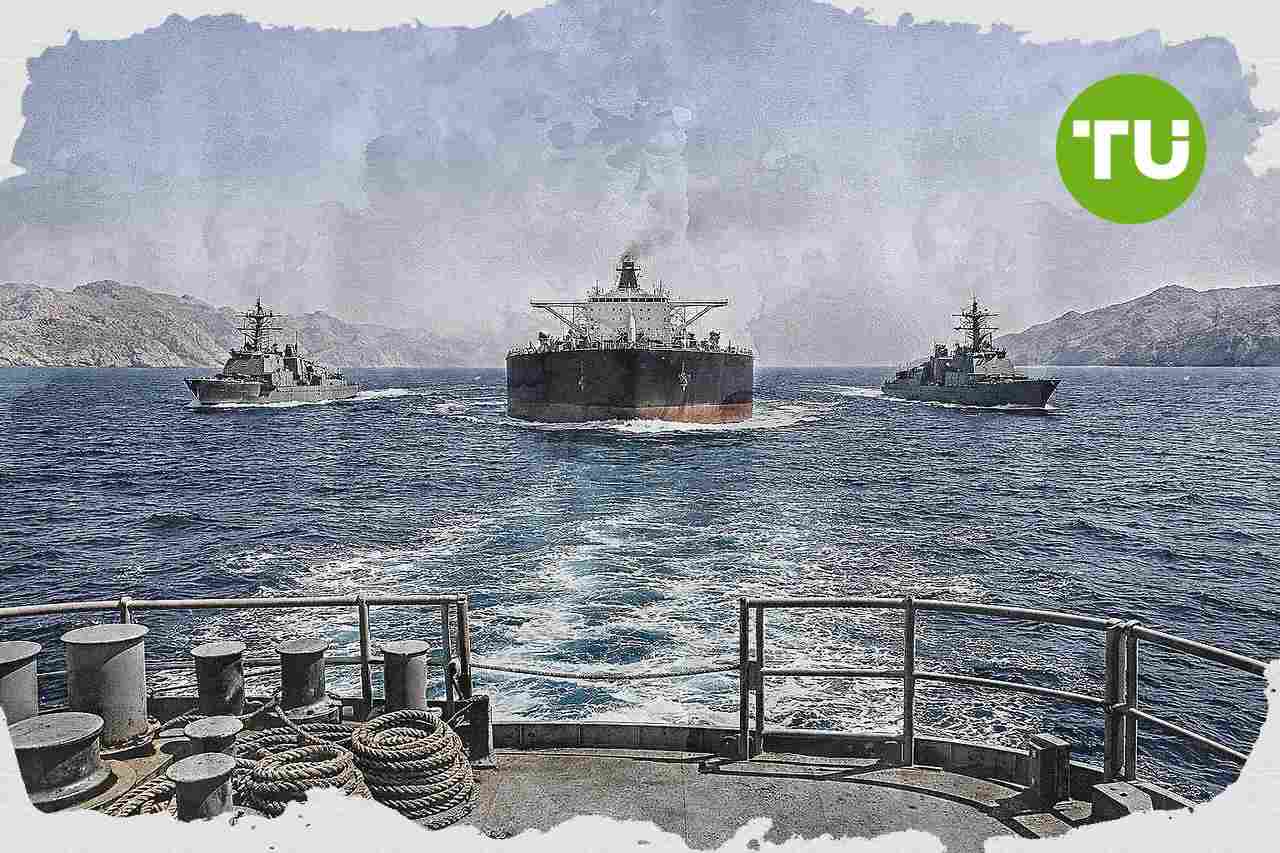
Oil flows through the Strait of Hormuz are recovering after recent disruptions tied to the conflict involving Iran, the U.S. and Israel. U.S. Energy Secretary Chris Wright says commercial traffic is moving under naval protection, with 72 ships carrying 19 million barrels of oil passing through the waterway in the past 24 hours.
Highlights
- U.S. military escorts for commercial vessels in the Strait of Hormuz remove Iran's ability to block oil transit, curbing Tehran's leverage over global energy markets.
- Kpler reports 4.8 million barrels per day are exiting Hormuz since last week's U.S.-Iran agreement, compared to 17 million barrels transiting after Iran declared the strait closed over the weekend.
- Iran will waive shipping tolls for 60 days under the agreement, but the strait's longer-term control remains unclear as regional talks are pending.
Naval protection supports oil transit
As reported by Reuters, Wright says U.S. military escorts for commercial vessels have removed Iran's ability to shut the Strait of Hormuz in the future, a step he describes as taking away Tehran's main leverage over global energy markets.Speaking at a conference in New York City on Wednesday, the energy secretary says 17 million barrels of oil moved through Hormuz when Iran declared the strait closed again over the weekend. He says U.S. naval escorts through Oman's territorial waters in the southern part of the strait prevent Iran from stopping commercial shipping.
Wright says the U.S. could restore its naval blockade if Iran does not meet Washington's demands. He adds that the Trump administration intends to keep global energy supplies stable and says Iran has not yet received any meaningful financial benefit, including unfrozen funds, under the current arrangement.
Deal terms leave longer-term control unclear
Trade intelligence firm Kpler has confirmed about 4.8 million barrels per day exiting the strait since the U.S. and Iran agreed last week to reopen the sea lane. Before the war, roughly 20% of global oil supply moved through Hormuz, making the passage central to energy security and pricing.Iran begins attacking commercial ships in Hormuz after the U.S. and Israel launch a large wave of airstrikes against the country on Feb. 28, causing traffic through the strait to plunge and triggering what the article describes as the biggest oil supply disruption in history.
Under the agreement signed last week, Iran agrees to let ships pass through Hormuz without a toll for 60 days, while Washington lifts its naval blockade of Iran. The status of the strait after that period remains uncertain, with Iran expected to discuss future administration of the route with Oman and Gulf neighbors.
In our earlier report on the Dallas Fed survey of U.S. oil and gas executives, we noted that producers expected modest crude output growth of about 2% to 3% at around $70 WTI, even as cost pressures remained elevated. The survey also highlighted that the Iran conflict was a key source of uncertainty, with many respondents expecting any risk premium to persist and most anticipating WTI would peak at $125 or less if tensions continued.


Latest Wheat News






-
 Afghanistan
-
 Albania
-
 Algeria
-
 Angola
-
 Argentina
-
 Armenia
-
 Australia
-
 Austria
-
 Azerbaijan
-
 Bahamas
-
 Bahrain
-
 Bangladesh
-
 Belarus
-
 Belgium
-
 Bolivia
-
 Botswana
-
 Brazil
-
 Brunei
-
 Bulgaria
-
 Cambodia
-
 Cameroon
-
 Canada
-
 Chile
Chile
-
 China
China
-
 Colombia
-
 Congo
Congo
-
 Costa Rica
-
 Cote d'Ivoire
-
 Croatia
-
 Cuba
Cuba
-
 Cyprus
-
 Czechia
-
 DR Congo
-
 Denmark
-
 Dominican Republic
-
 Ecuador
-
 Egypt
Egypt
-
 El Salvador
-
 Estonia
-
 Eswatini
-
 Ethiopia
-
 Finland
-
 France
-
 Georgia
-
 Germany
-
 Ghana
Ghana
-
 Greece
-
 Haiti
Haiti
-
 Hong Kong
-
 Hungary
-
 India
India
-
 Indonesia
-
 Iran, Islamic republic
-
 Iraq
Iraq
-
 Ireland
-
 Israel
-
 Italy
Italy
-
 Jamaica
-
 Japan
Japan
-
 Jordan
-
 Kazakhstan
-
 Kenya
Kenya
-
 Korea
Korea
-
 Kuwait
-
 Kyrgyzstan
-
 Laos
Laos
-
 Latvia
-
 Lebanon
-
 Lesotho
-
 Libya
Libya
-
 Lithuania
-
 Luxembourg
-
 Madagascar
-
 Malaysia
-
 Malta
Malta
-
 Mauritius
-
 Mexico
-
 Moldova
-
 Mongolia
-
 Montenegro
-
 Morocco
-
 Mozambique
-
 Myanmar
-
 Namibia
-
 Nepal
Nepal
-
 Netherlands
-
 New Zealand
-
 Nigeria
-
 North Macedonia
-
 Norway
-
 Oman
Oman
-
 Pakistan
-
 Palestine
-
 Panama
-
 Papua New Guinea
-
 Paraguay
-
 Peru
Peru
-
 Philippines
-
 Poland
-
 Portugal
-
 Puerto Rico
-
 Qatar
Qatar
-
 Reunion
-
 Romania
-
 Rwanda
-
 Saudi Arabia
-
 Serbia
-
 Singapore
-
 Slovakia
-
 Slovenia
-
 Somalia
-
 South Africa
-
 Spain
Spain
-
 Sri Lanka
-
 Sweden
-
 Switzerland
-
 Syria
Syria
-
 Taiwan
-
 Tajikistan
-
 Tanzania
-
 Thailand
-
 Trinidad and Tobago
-
 Tunisia
-
 Turkey
-
 UAE
UAE
-
 Uganda
-
 Ukraine
-
 United Kingdom
-
United States
-
 Uruguay
-
 Uzbekistan
-
 Venezuela
-
 Vietnam
-
 Yemen
Yemen
-
 Zambia
-
 Zimbabwe
- Forex
- Crypto











