
Dallas Fed survey signals slight U.S. oil output growth as long-term outlook stays uncertain
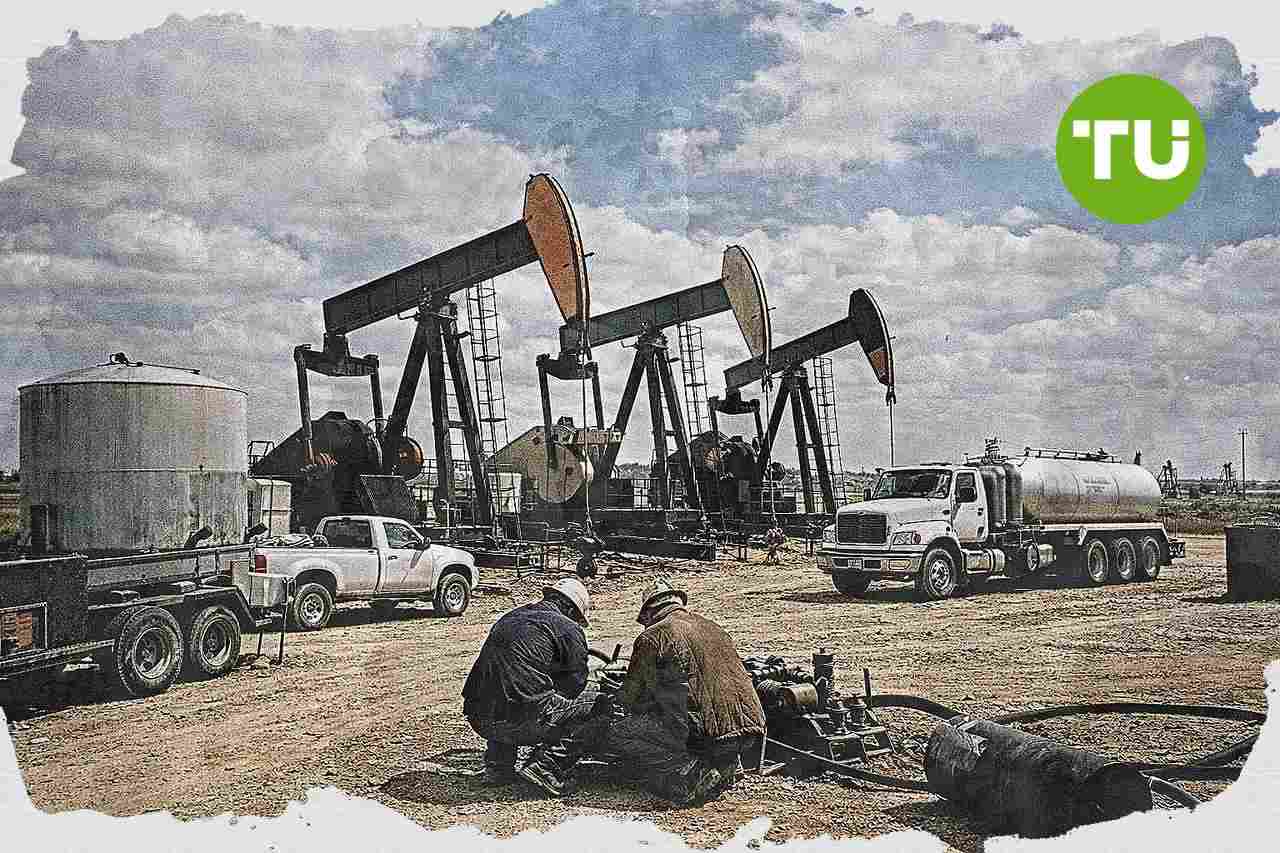
U.S. oil producers expect domestic crude output to edge higher at current prices as oil and gas activity accelerates in the second quarter. Executives also say geopolitical volatility, regulatory costs and rising operating expenses are making long-term planning more difficult.
Highlights
- Dallas Fed survey reports Q2 oil and gas activity growing at its fastest pace in four years, with firms forecasting 2% to 3% U.S. oil output growth at current prices.
- West Texas Intermediate crude trades at around $70 a barrel, enabling modest production gains despite sharp input cost increases driven by higher labor and fuel expenses.
- About two-thirds of surveyed executives expect WTI to peak at $125 or less if the Iran conflict continues, while long-term outlook remains clouded by geopolitical and regulatory uncertainties.
Second-quarter activity and production expectations
As reported by the Dallas Fed survey, data collected from June 9 to June 17 from 124 oil and gas firms shows oil and gas activity increases at its fastest pace in four years during the second quarter, while cost pressures remain above historical norms. Kunal Patel, senior business economist with the Dallas Fed, says most oil companies expect a small increase in production at current prices, with internal forecasts pointing to 2% to 3% growth.U.S. West Texas Intermediate crude trades at around $70 a barrel on Wednesday, a level that respondents say still supports modest production gains. At the same time, input costs for oilfield service firms jump sharply because of higher labor and fuel expenses, adding pressure across the sector.
Geopolitical risks and cost inflation weigh on planning
Survey responses show executives remain cautious about the longer-term market outlook even as near-term business activity improves. One exploration and production executive says rapid changes in international geopolitics create a "cloudy windshield" view of future oil prices and demand, while another says regulatory compliance is becoming a major expense.One executive says the conflict involving Iran makes crude price forecasting highly uncertain and expects higher prices for crude oil and natural gas for several months even if a ceasefire agreement is reached. When asked where WTI could peak this year if the Iran conflict continues through year end, about two-thirds of respondents say prices would top out at $125 or less, while 20% expect a range of $125 to $150.
Many executives say they do not expect the oil market to return to earlier conditions and believe trading patterns have been permanently reordered, with a continuing risk premium tied to the Persian Gulf. In services, one executive says a 65% rise in diesel costs partly offsets revenue growth in the second quarter, while another says equipment pricing is not keeping pace with inflation.
In our earlier article on ConocoPhillips’ COP stock outlook, we covered how the company is trying to strengthen its upstream footprint by signing a deal to restart Syria’s gas production while also advancing major LNG projects. We also noted that despite these strategic moves, COP was still showing bearish technical momentum, with traders focused on key support and resistance levels as near-term catalysts.









-
 Afghanistan
-
 Albania
-
 Algeria
-
 Angola
-
 Argentina
-
 Armenia
-
 Australia
-
 Austria
-
 Azerbaijan
-
 Bahamas
-
 Bahrain
-
 Bangladesh
-
 Belarus
-
 Belgium
-
 Bolivia
-
 Botswana
-
 Brazil
-
 Brunei
-
 Bulgaria
-
 Cambodia
-
 Cameroon
-
 Canada
-
 Chile
Chile
-
 China
China
-
 Colombia
-
 Congo
Congo
-
 Costa Rica
-
 Cote d'Ivoire
-
 Croatia
-
 Cuba
Cuba
-
 Cyprus
-
 Czechia
-
 DR Congo
-
 Denmark
-
 Dominican Republic
-
 Ecuador
-
 Egypt
Egypt
-
 El Salvador
-
 Estonia
-
 Eswatini
-
 Ethiopia
-
 Finland
-
 France
-
 Georgia
-
 Germany
-
 Ghana
Ghana
-
 Greece
-
 Haiti
Haiti
-
 Hong Kong
-
 Hungary
-
 India
India
-
 Indonesia
-
 Iran, Islamic republic
-
 Iraq
Iraq
-
 Ireland
-
 Israel
-
 Italy
Italy
-
 Jamaica
-
 Japan
Japan
-
 Jordan
-
 Kazakhstan
-
 Kenya
Kenya
-
 Korea
Korea
-
 Kuwait
-
 Kyrgyzstan
-
 Laos
Laos
-
 Latvia
-
 Lebanon
-
 Lesotho
-
 Libya
Libya
-
 Lithuania
-
 Luxembourg
-
 Madagascar
-
 Malaysia
-
 Malta
Malta
-
 Mauritius
-
 Mexico
-
 Moldova
-
 Mongolia
-
 Montenegro
-
 Morocco
-
 Mozambique
-
 Myanmar
-
 Namibia
-
 Nepal
Nepal
-
 Netherlands
-
 New Zealand
-
 Nigeria
-
 North Macedonia
-
 Norway
-
 Oman
Oman
-
 Pakistan
-
 Palestine
-
 Panama
-
 Papua New Guinea
-
 Paraguay
-
 Peru
Peru
-
 Philippines
-
 Poland
-
 Portugal
-
 Puerto Rico
-
 Qatar
Qatar
-
 Reunion
-
 Romania
-
 Rwanda
-
 Saudi Arabia
-
 Serbia
-
 Singapore
-
 Slovakia
-
 Slovenia
-
 Somalia
-
 South Africa
-
 Spain
Spain
-
 Sri Lanka
-
 Sweden
-
 Switzerland
-
 Syria
Syria
-
 Taiwan
-
 Tajikistan
-
 Tanzania
-
 Thailand
-
 Trinidad and Tobago
-
 Tunisia
-
 Turkey
-
 UAE
UAE
-
 Uganda
-
 Ukraine
-
 United Kingdom
-
United States
-
 Uruguay
-
 Uzbekistan
-
 Venezuela
-
 Vietnam
-
 Yemen
Yemen
-
 Zambia
-
 Zimbabwe
- Forex
- Crypto











