
U.S. defense groups develop modular missile production model for wartime supply
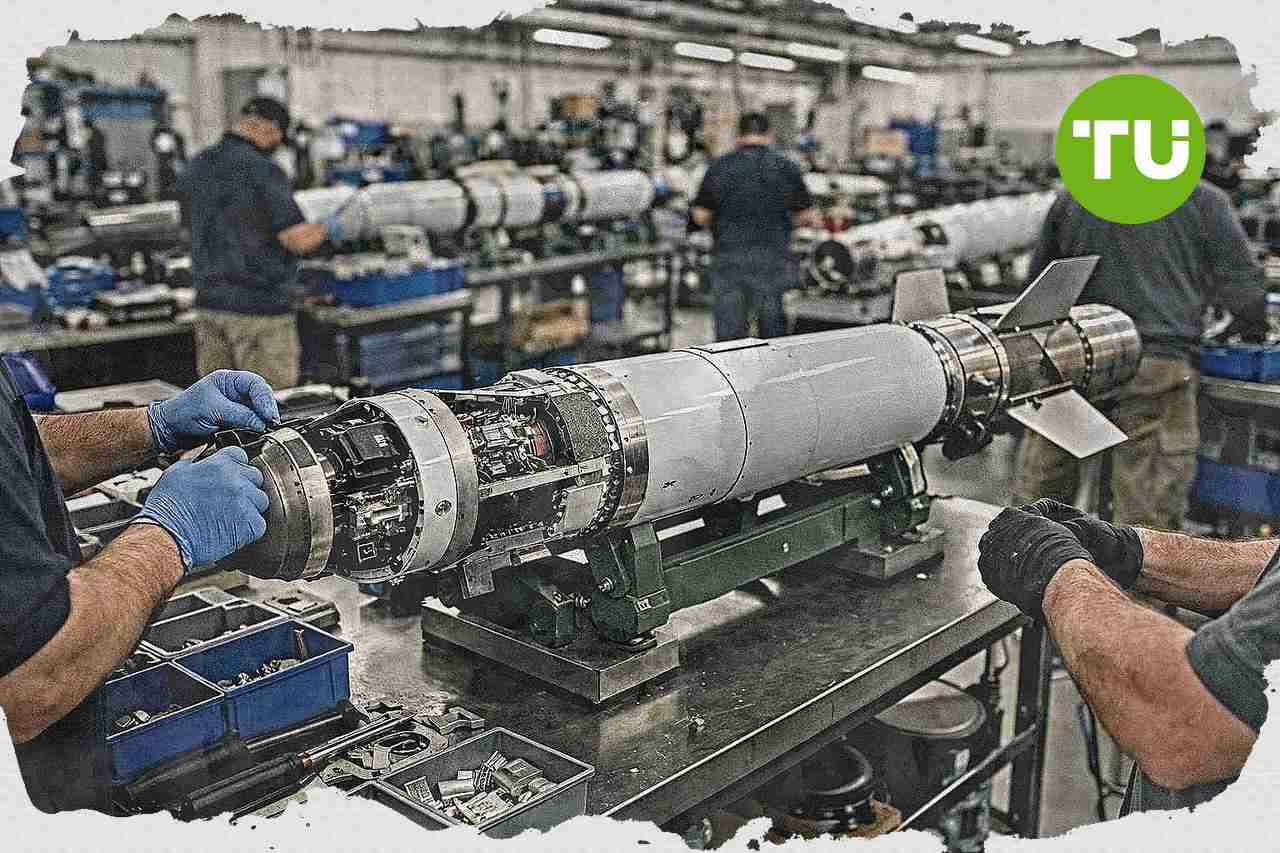
Pressure is building on the U.S. defense industry to raise missile output as stockpiles come under strain and current production rates leave the Pentagon facing long replenishment timelines. Contractors are now pursuing modular workshops and simpler designs to produce lower-cost weapons faster, reflecting a broader shift in how the sector prepares for large-scale conflict.
Highlights
- U.S. defense companies like Co-Aspire are developing modular, workshop-style missile production systems to reduce costs and accelerate wartime output.
- Annual production of key missiles remains low, with only about 600 Tomahawks manufactured per year, raising concerns about replenishing stockpiles after major conflicts.
- Rapid manufacturing of lower-cost missiles and drones could require the Pentagon to relax performance standards but would enable greater inventory and operational sustainability.
Modular manufacturing strategy takes shape
As first reported by Financial Times, U.S. defense companies are developing workshop-style production systems designed to assemble inexpensive missiles more quickly during wartime. The concept centers on modular facilities, simpler assembly processes and the use of commercially available parts to reduce both cost and production time.In northeast Virginia, technicians at defense group Co-Aspire are preparing missiles as companies test whether a more standardized manufacturing model can help address munitions shortages. Doug Denneny of Co-Aspire says the effort reflects growing urgency as U.S. stockpiles decline and existing output remains limited.
Annual production levels for key missile types remain relatively low, with about 600 Tomahawks produced each year and similar volumes for other systems, according to the text. Those figures suggest it could take years for the Pentagon to replace weapons used in a major conflict, particularly when existing missiles are expensive and built through slower, specialized processes.
Lower-cost weapons could reshape procurement
Defense contractors are also backing new projects aimed at speeding production and expanding inventories, while investing in new missile designs better suited to rapid manufacturing. The same push is visible in work on drones that can be tested and fielded at scale, reinforcing a wider move toward quantity, affordability and operational speed.Analysts say the shift may require the Pentagon to accept more flexibility in performance standards, because cheaper missiles may not deliver the same precision as older systems. Even so, simpler designs could shorten training times, reduce resource demands and improve the military's ability to sustain operations in future conflicts.
In our earlier coverage of House Republicans’ Reconciliation 3.0 proposal, we explained how the package is being positioned as a fast-track legislative vehicle to advance defense funding alongside election safeguards and affordability measures ahead of November. The plan is framed as paying for these priorities by targeting what supporters describe as large-scale fraud in government programs, with the broader goal of freeing up resources for military needs and other spending priorities.














-
 Afghanistan
-
 Albania
-
 Algeria
-
 Angola
-
 Argentina
-
 Armenia
-
 Australia
-
 Austria
-
 Azerbaijan
-
 Bahamas
-
 Bahrain
-
 Bangladesh
-
 Belarus
-
 Belgium
-
 Bolivia
-
 Botswana
-
 Brazil
-
 Brunei
-
 Bulgaria
-
 Cambodia
-
 Cameroon
-
 Canada
-
 Chile
Chile
-
 China
China
-
 Colombia
-
 Congo
Congo
-
 Costa Rica
-
 Cote d'Ivoire
-
 Croatia
-
 Cuba
Cuba
-
 Cyprus
-
 Czechia
-
 DR Congo
-
 Denmark
-
 Dominican Republic
-
 Ecuador
-
 Egypt
Egypt
-
 El Salvador
-
 Estonia
-
 Eswatini
-
 Ethiopia
-
 Finland
-
 France
-
 Georgia
-
 Germany
-
 Ghana
Ghana
-
 Greece
-
 Haiti
Haiti
-
 Hong Kong
-
 Hungary
-
 India
India
-
 Indonesia
-
 Iran, Islamic republic
-
 Iraq
Iraq
-
 Ireland
-
 Israel
-
 Italy
Italy
-
 Jamaica
-
 Japan
Japan
-
 Jordan
-
 Kazakhstan
-
 Kenya
Kenya
-
 Korea
Korea
-
 Kuwait
-
 Kyrgyzstan
-
 Laos
Laos
-
 Latvia
-
 Lebanon
-
 Lesotho
-
 Libya
Libya
-
 Lithuania
-
 Luxembourg
-
 Madagascar
-
 Malaysia
-
 Malta
Malta
-
 Mauritius
-
 Mexico
-
 Moldova
-
 Mongolia
-
 Montenegro
-
 Morocco
-
 Mozambique
-
 Myanmar
-
 Namibia
-
 Nepal
Nepal
-
 Netherlands
-
 New Zealand
-
 Nigeria
-
 North Macedonia
-
 Norway
-
 Oman
Oman
-
 Pakistan
-
 Palestine
-
 Panama
-
 Papua New Guinea
-
 Paraguay
-
 Peru
Peru
-
 Philippines
-
 Poland
-
 Portugal
-
 Puerto Rico
-
 Qatar
Qatar
-
 Reunion
-
 Romania
-
 Rwanda
-
 Saudi Arabia
-
 Serbia
-
 Singapore
-
 Slovakia
-
 Slovenia
-
 Somalia
-
 South Africa
-
 Spain
Spain
-
 Sri Lanka
-
 Sweden
-
 Switzerland
-
 Syria
Syria
-
 Taiwan
-
 Tajikistan
-
 Tanzania
-
 Thailand
-
 Trinidad and Tobago
-
 Tunisia
-
 Turkey
-
 UAE
UAE
-
 Uganda
-
 Ukraine
-
 United Kingdom
-
United States
-
 Uruguay
-
 Uzbekistan
-
 Venezuela
-
 Vietnam
-
 Yemen
Yemen
-
 Zambia
-
 Zimbabwe
- Forex
- Crypto











