

Chinese e-commerce groups adapt U.S. operations after tariff loophole closure
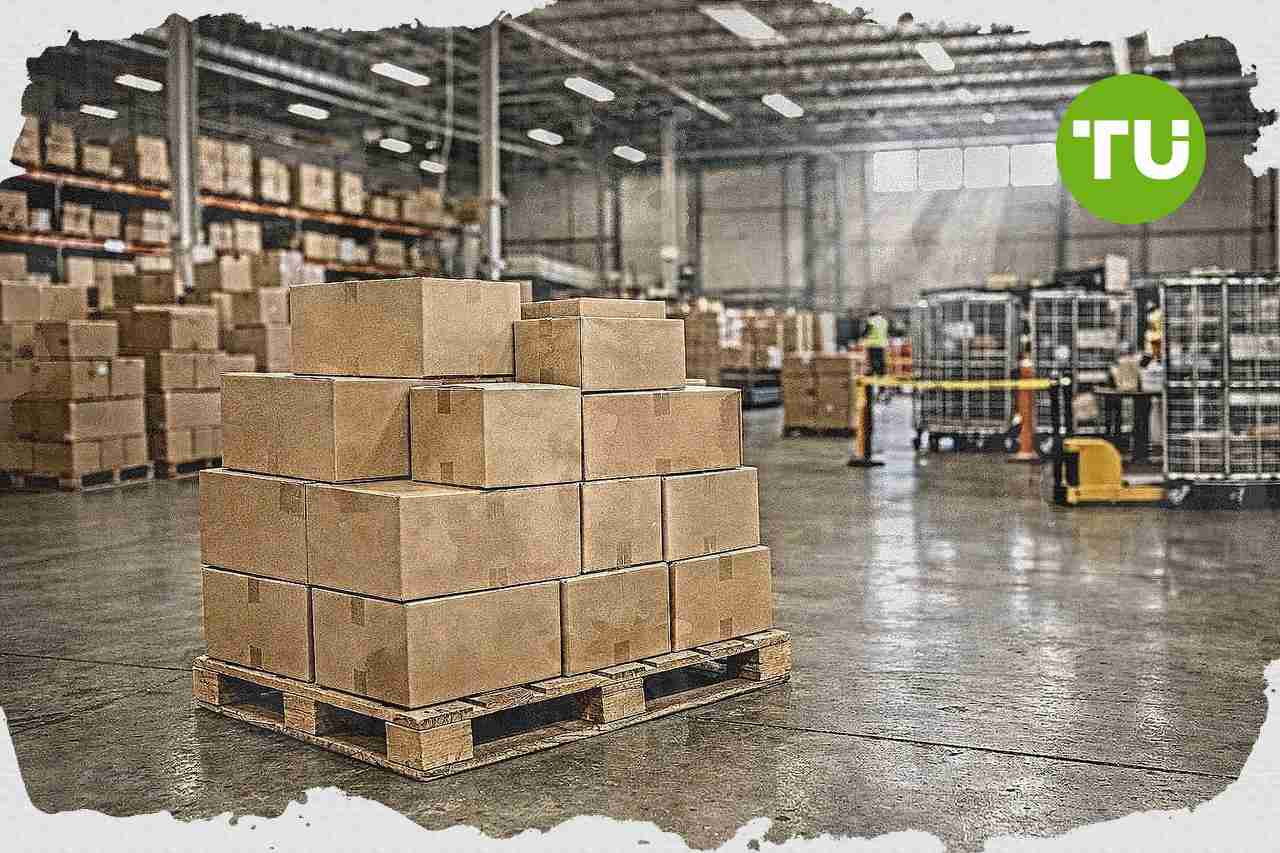
More than a year after the U.S. ended the de minimis exemption for Chinese imports worth under $800, Chinese sales platforms and logistics providers are still finding ways to serve American consumers. The shift is moving more warehousing, customs handling and delivery activity inside the U.S., extending competition from imported goods to domestic service operators.
Highlights
- Temu and Shein replaced direct-to-consumer shipping with U.S. warehouse distribution and shifted customs clearance responsibility to Chinese merchants after the de minimis exemption ended.
- Chinese logistics firms are expanding U.S. operations and competing on cost, bringing more of the supply chain inside U.S. borders rather than stopping Chinese competition.
- U.S.-China trade data shows growing valuation discrepancies; a newly signed customs enforcement order gives CBP 180 days to implement stricter importer requirements, with a results report due next year.
Supply chain shifts after de minimis crackdown
As first reported by Nikkei Asia, Chinese companies are adjusting to the end of the tariff exemption through a mix of revised logistics models, customs reporting changes and, in some cases, possible under-declaration of import values to cut duty costs.Temu and Shein are no longer relying primarily on the small-package direct-to-consumer model that had helped them expand in the U.S. market. Instead, they have shifted more activity to a conventional distribution structure, with imported goods moving through warehouses in the U.S., while Temu is also placing more responsibility for customs clearance on the Chinese merchants selling the products.
A legitimate method used in this transition is the "first sale" approach, under which goods are declared at manufacturing cost rather than retail price. At the same time, some shipments may simply be undervalued at customs, although the scale of that practice remains unclear.
Wider pressure on U.S. logistics and trade enforcement
Chinese logistics groups are also expanding in the U.S. market, handling distribution through to the last mile and often competing at lower cost than American operators by using independent drivers. Rather than excluding Chinese competition, the policy change is drawing more of the supply chain inside U.S. borders, where it now competes directly with domestic service companies.The pattern resembles earlier tariff-jumping strategies seen in the 1970s and 1980s, when foreign carmakers established production in the U.S. to avoid duties. Similar outcomes may emerge in other markets if de minimis thresholds are removed, with EU officials already warning companies that ending such allowances may not deliver broad relief from Chinese imports.
Signs of a larger shift are also appearing in trade data. A widening gap between U.S. estimates of Chinese import values and China's export reporting to the U.S. suggests substantial discrepancies, while Flexport chief executive Ryan Petersen says Chinese companies are increasingly acting as importers of record.
Earlier this month, the Trump administration signed a customs enforcement order imposing new requirements on importers of record. The order gives Customs and Border Protection up to 180 days to implement the measures and calls for an effectiveness report by this time next year.
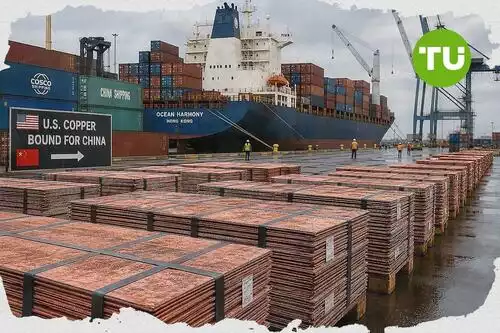
Freight shipping costs surged as importers pulled cargo forward ahead of expected late-July U.S. tariffs, pushing peak-season demand earlier on key Asia–U.S. and Asia–Europe routes. Our publication noted that the run-up reflected tariff uncertainty and frontloading, alongside added pressure from higher fuel costs and broader Middle East-related disruption risks.






Latest Tariffs News




-
 Afghanistan
-
 Albania
-
 Algeria
-
 Angola
-
 Argentina
-
 Armenia
-
 Australia
-
 Austria
-
 Azerbaijan
-
 Bahamas
-
 Bahrain
-
 Bangladesh
-
 Belarus
-
 Belgium
-
 Bolivia
-
 Botswana
-
 Brazil
-
 Brunei
-
 Bulgaria
-
 Cambodia
-
 Cameroon
-
 Canada
-
 Chile
-
 China
-
 Colombia
-
 Congo
-
 Costa Rica
-
 Cote d'Ivoire
-
 Croatia
-
 Cuba
-
 Cyprus
-
 Czechia
-
 DR Congo
-
 Denmark
-
 Dominican Republic
-
 Ecuador
-
 Egypt
-
 El Salvador
-
 Estonia
-
 Eswatini
-
 Ethiopia
-
 Finland
-
 France
-
 Georgia
-
 Germany
-
 Ghana
-
 Greece
-
 Haiti
-
 Hong Kong
-
 Hungary
-
 India
-
 Indonesia
-
 Iran, Islamic republic
-
 Iraq
-
 Ireland
-
 Israel
-
 Italy
-
 Jamaica
-
 Japan
-
 Jordan
-
 Kazakhstan
-
 Kenya
-
 Korea
-
 Kuwait
-
 Kyrgyzstan
-
 Laos
-
 Latvia
-
 Lebanon
-
 Lesotho
-
 Libya
-
 Lithuania
-
 Luxembourg
-
 Madagascar
-
 Malaysia
-
 Malta
-
 Mauritius
-
 Mexico
-
 Moldova
-
 Mongolia
-
 Montenegro
-
 Morocco
-
 Mozambique
-
 Myanmar
-
 Namibia
-
 Nepal
-
 Netherlands
-
 New Zealand
-
 Nigeria
-
 North Macedonia
-
 Norway
-
 Oman
-
 Pakistan
-
 Palestine
-
 Panama
-
 Papua New Guinea
-
 Paraguay
-
 Peru
-
 Philippines
-
 Poland
-
 Portugal
-
 Puerto Rico
-
 Qatar
-
 Reunion
-
 Romania
-
 Rwanda
-
 Saudi Arabia
-
 Serbia
-
 Singapore
-
 Slovakia
-
 Slovenia
-
 Somalia
-
 South Africa
-
 Spain
-
 Sri Lanka
-
 Sweden
-
 Switzerland
-
 Syria
-
 Taiwan
-
 Tajikistan
-
 Tanzania
-
 Thailand
-
 Trinidad and Tobago
-
 Tunisia
-
 Turkey
-
 UAE
-
 Uganda
-
 Ukraine
-
 United Kingdom
-
United States
-
 Uruguay
-
 Uzbekistan
-
 Venezuela
-
 Vietnam
-
 Yemen
-
 Zambia
-
 Zimbabwe
- Forex
- Crypto












