
U.S. Supreme Court blocks Trump bid to end birthright citizenship

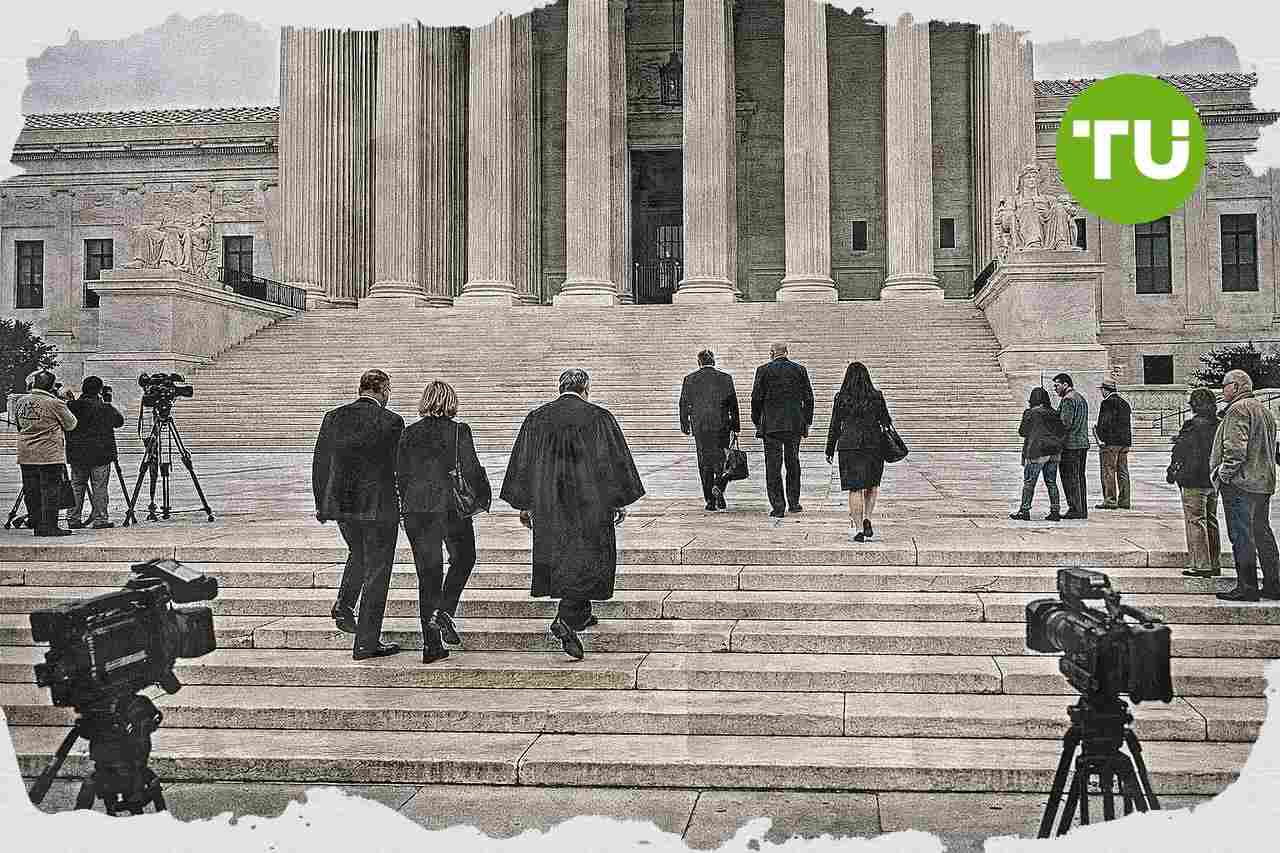
A central pillar of U.S. immigration policy remains in place after the Supreme Court rejects an effort to narrow automatic citizenship for people born on American soil. The decision deals a fresh setback to President Donald Trump’s second-term agenda and leaves lower court holds on the order intact.
Highlights
- The U.S. Supreme Court rejects Trump’s executive order seeking to limit birthright citizenship, upholding the 14th Amendment protections.
- This ruling follows the court’s February decision overturning most of Trump’s tariffs, further frustrating his legal agenda.
- On Monday, the court also blocks Trump's attempt to fire Fed governor Lisa Cook but backs his effort to remove other federal officials.
Constitutional protection stays in force
As reported by the Financial Times, the justices reject Trump’s executive order seeking to limit birthright citizenship for children whose parents are not U.S. citizens or permanent legal residents.The right to citizenship for “all persons born or naturalised in the United States” is set out in the 14th Amendment to the U.S. Constitution. Trump moves to restrict that protection on the first day of his second term, but lower courts already put the order on hold while the case is heard.
In the majority opinion, Chief Justice John Roberts writes that citizenship is “the right to have rights” and says the framers of the amendment extended that promise to “every free-born person in this land”. He adds that the court keeps that promise today.
Pressure builds on White House legal agenda
The ruling marks another significant rejection of the president’s policy push in recent months. It follows the court’s decision in February to throw out the bulk of Trump’s sweeping tariffs.On Monday, the court also rejects his effort to fire Fed governor Lisa Cook, while siding with him in a separate case that gives him greater power to remove officials at federal agencies. Trump’s relationship with the court has worsened since the tariffs ruling, despite the fact that he appoints three of its nine justices, and he repeatedly criticises the bench while predicting a loss on birthright citizenship.
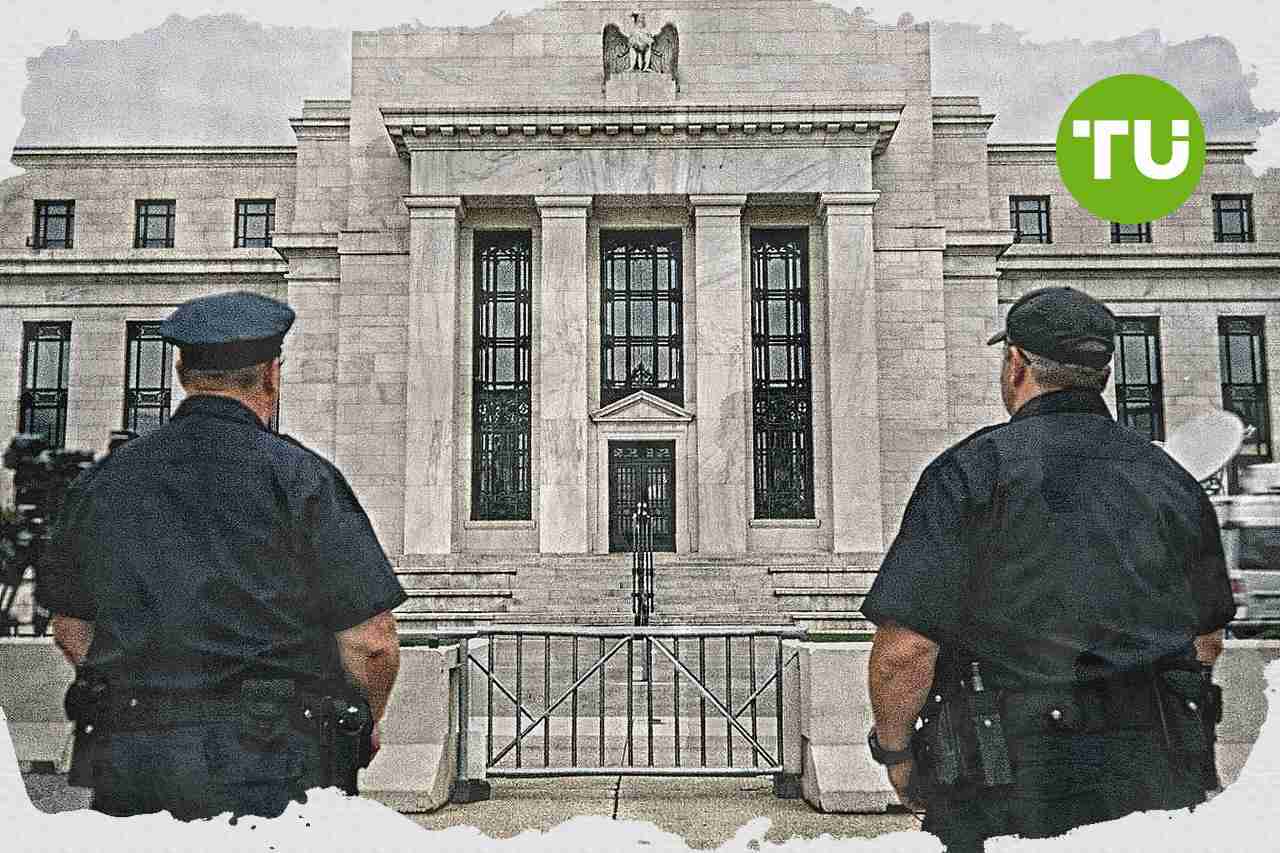
In our earlier article on the Supreme Court’s rulings on presidential control over independent agencies, we covered how the justices drew a distinction between the Federal Reserve and other regulators. The court kept Fed governor Lisa Cook in her post for now by preserving board-member protections, while also expanding the president’s ability to remove officials at bodies like the FTC by weakening “for-cause” safeguards.





Latest U.S. Supreme Court News







-
 Afghanistan
-
 Albania
-
 Algeria
-
 Angola
-
 Argentina
-
 Armenia
-
 Australia
-
 Austria
-
 Azerbaijan
-
 Bahamas
-
 Bahrain
-
 Bangladesh
-
 Belarus
-
 Belgium
-
 Bolivia
-
 Botswana
-
 Brazil
-
 Brunei
-
 Bulgaria
-
 Cambodia
-
 Cameroon
-
 Canada
-
 Chile
Chile
-
 China
China
-
 Colombia
-
 Congo
Congo
-
 Costa Rica
-
 Cote d'Ivoire
-
 Croatia
-
 Cuba
Cuba
-
 Cyprus
-
 Czechia
-
 DR Congo
-
 Denmark
-
 Dominican Republic
-
 Ecuador
-
 Egypt
Egypt
-
 El Salvador
-
 Estonia
-
 Eswatini
-
 Ethiopia
-
 Finland
-
 France
-
 Georgia
-
 Germany
-
 Ghana
Ghana
-
 Greece
-
 Haiti
Haiti
-
 Hong Kong
-
 Hungary
-
 India
India
-
 Indonesia
-
 Iran, Islamic republic
-
 Iraq
Iraq
-
 Ireland
-
 Israel
-
 Italy
Italy
-
 Jamaica
-
 Japan
Japan
-
 Jordan
-
 Kazakhstan
-
 Kenya
Kenya
-
 Korea
Korea
-
 Kuwait
-
 Kyrgyzstan
-
 Laos
Laos
-
 Latvia
-
 Lebanon
-
 Lesotho
-
 Libya
Libya
-
 Lithuania
-
 Luxembourg
-
 Madagascar
-
 Malaysia
-
 Malta
Malta
-
 Mauritius
-
 Mexico
-
 Moldova
-
 Mongolia
-
 Montenegro
-
 Morocco
-
 Mozambique
-
 Myanmar
-
 Namibia
-
 Nepal
Nepal
-
 Netherlands
-
 New Zealand
-
 Nigeria
-
 North Macedonia
-
 Norway
-
 Oman
Oman
-
 Pakistan
-
 Palestine
-
 Panama
-
 Papua New Guinea
-
 Paraguay
-
 Peru
Peru
-
 Philippines
-
 Poland
-
 Portugal
-
 Puerto Rico
-
 Qatar
Qatar
-
 Reunion
-
 Romania
-
 Rwanda
-
 Saudi Arabia
-
 Serbia
-
 Singapore
-
 Slovakia
-
 Slovenia
-
 Somalia
-
 South Africa
-
 Spain
Spain
-
 Sri Lanka
-
 Sweden
-
 Switzerland
-
 Syria
Syria
-
 Taiwan
-
 Tajikistan
-
 Tanzania
-
 Thailand
-
 Trinidad and Tobago
-
 Tunisia
-
 Turkey
-
 UAE
UAE
-
 Uganda
-
 Ukraine
-
 United Kingdom
-
United States
-
 Uruguay
-
 Uzbekistan
-
 Venezuela
-
 Vietnam
-
 Yemen
Yemen
-
 Zambia
-
 Zimbabwe
- Forex
- Crypto











