
EchoStar moves to restructure its satellite TV unit as Dish faces a near-term debt deadline and an unfinished asset sale. The filing follows spectrum disposals worth more than $40bn in 2025, while a rise in the value of SpaceX stock received in one deal has lifted EchoStar's market capitalisation to about $30bn.
Highlights
- Dish has filed for Chapter 11 protection in Houston to execute a creditor agreement aimed at cutting $9bn in debt amid a $2bn bond maturity.
- EchoStar sold spectrum blocks to AT&T for $23bn and SpaceX for $19bn; the AT&T sale faces delays, while a $2.4bn fund was established per FCC approval.
- Dish is exiting its wireless business via bankruptcy, faces lawsuits from tower operators over missed payments, and may revisit a DirecTV merger.
Restructuring plan and funding backdrop
As reported by Financial Times, Dish has filed for Chapter 11 protection in a Houston federal court to carry out an agreement with creditors aimed at paying off $9bn of debt. The move comes as the company faces a $2bn bond maturity on Wednesday and as parent EchoStar works through the proceeds of major spectrum sales completed over the past year.EchoStar sold one block of spectrum to AT&T for $23bn and another to SpaceX for $19bn, with the SpaceX deal paid in cash and stock. The company had planned to use the cash proceeds to reduce debt, but said the AT&T transaction has not yet closed because of what it called unforeseen delays.
EchoStar also said on Tuesday that it has established a $2.4bn fund, in line with the approval terms set by U.S. regulator the Federal Communications Commission for the AT&T and SpaceX transactions. The fund is intended to address qualified claims from creditors tied to the shutdown of the DISH Wireless 5G network.
Operational fallout and industry implications
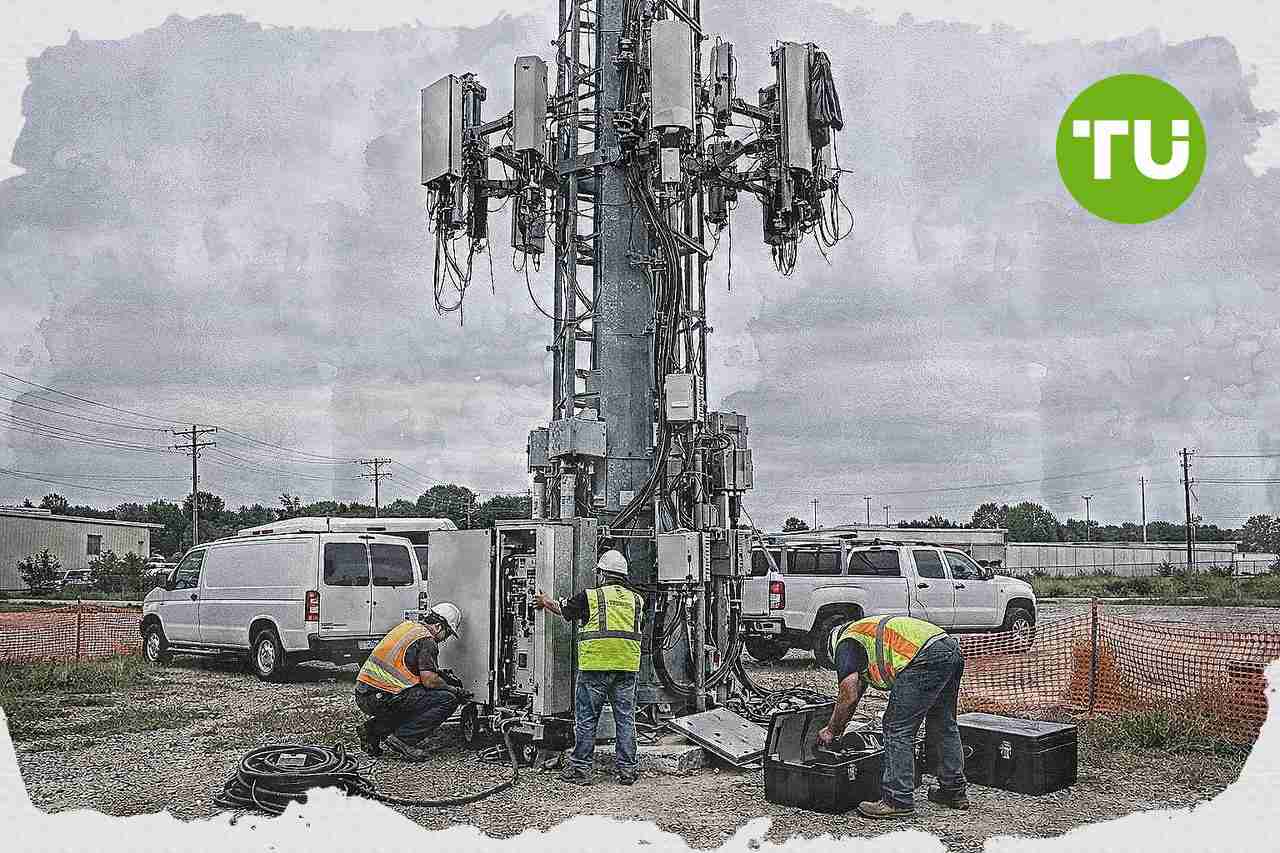
Dish says the bankruptcy process is intended to be orderly and expedited as it exits its planned wireless business. A further complication comes from long-term lease contracts with mobile phone tower operators, several of which have sued Dish over alleged non-payment.The company argues that intervention by Trump administration telecom regulators in its spectrum strategy amounts to force majeure, allowing it to escape those obligations. That pressure followed criticism from regulators that Charlie Ergen's group was rolling out consumer mobile phone service too slowly.
EchoStar and its debt investors had previously been locked in a multiyear dispute over a total debt pile of nearly $30bn before the divestitures. Dish had also explored a merger with rival DirecTV to create a single satellite television operator, and industry experts expect that possibility to resurface eventually.
In our earlier coverage of EchoStar’s Dish DBS and wireless units filing for Chapter 11 protection, we explained that the move was aimed at managing near-term debt maturities and keeping operations running while the company pursued a prepackaged restructuring. We also noted how delays in closing EchoStar’s $23bn spectrum sale to AT&T strained liquidity and supported the planned wind-down of Dish Wireless’s 5G network activities.





Latest EchoStar Corporation News





-
 Afghanistan
-
 Albania
-
 Algeria
-
 Angola
-
 Argentina
-
 Armenia
-
 Australia
-
 Austria
-
 Azerbaijan
-
 Bahamas
-
 Bahrain
-
 Bangladesh
-
 Belarus
-
 Belgium
-
 Bolivia
-
 Botswana
-
 Brazil
-
 Brunei
-
 Bulgaria
-
 Cambodia
-
 Cameroon
-
 Canada
-
 Chile
Chile
-
 China
China
-
 Colombia
-
 Congo
Congo
-
 Costa Rica
-
 Cote d'Ivoire
-
 Croatia
-
 Cuba
Cuba
-
 Cyprus
-
 Czechia
-
 DR Congo
-
 Denmark
-
 Dominican Republic
-
 Ecuador
-
 Egypt
Egypt
-
 El Salvador
-
 Estonia
-
 Eswatini
-
 Ethiopia
-
 Finland
-
 France
-
 Georgia
-
 Germany
-
 Ghana
Ghana
-
 Greece
-
 Haiti
Haiti
-
 Hong Kong
-
 Hungary
-
 India
India
-
 Indonesia
-
 Iran, Islamic republic
-
 Iraq
Iraq
-
 Ireland
-
 Israel
-
 Italy
Italy
-
 Jamaica
-
 Japan
Japan
-
 Jordan
-
 Kazakhstan
-
 Kenya
Kenya
-
 Korea
Korea
-
 Kuwait
-
 Kyrgyzstan
-
 Laos
Laos
-
 Latvia
-
 Lebanon
-
 Lesotho
-
 Libya
Libya
-
 Lithuania
-
 Luxembourg
-
 Madagascar
-
 Malaysia
-
 Malta
Malta
-
 Mauritius
-
 Mexico
-
 Moldova
-
 Mongolia
-
 Montenegro
-
 Morocco
-
 Mozambique
-
 Myanmar
-
 Namibia
-
 Nepal
Nepal
-
 Netherlands
-
 New Zealand
-
 Nigeria
-
 North Macedonia
-
 Norway
-
 Oman
Oman
-
 Pakistan
-
 Palestine
-
 Panama
-
 Papua New Guinea
-
 Paraguay
-
 Peru
Peru
-
 Philippines
-
 Poland
-
 Portugal
-
 Puerto Rico
-
 Qatar
Qatar
-
 Reunion
-
 Romania
-
 Rwanda
-
 Saudi Arabia
-
 Serbia
-
 Singapore
-
 Slovakia
-
 Slovenia
-
 Somalia
-
 South Africa
-
 Spain
Spain
-
 Sri Lanka
-
 Sweden
-
 Switzerland
-
 Syria
Syria
-
 Taiwan
-
 Tajikistan
-
 Tanzania
-
 Thailand
-
 Trinidad and Tobago
-
 Tunisia
-
 Turkey
-
 UAE
UAE
-
 Uganda
-
 Ukraine
-
 United Kingdom
-
United States
-
 Uruguay
-
 Uzbekistan
-
 Venezuela
-
 Vietnam
-
 Yemen
Yemen
-
 Zambia
-
 Zimbabwe
- Forex
- Crypto












