
Can TELUS balance AI growth and high debt?
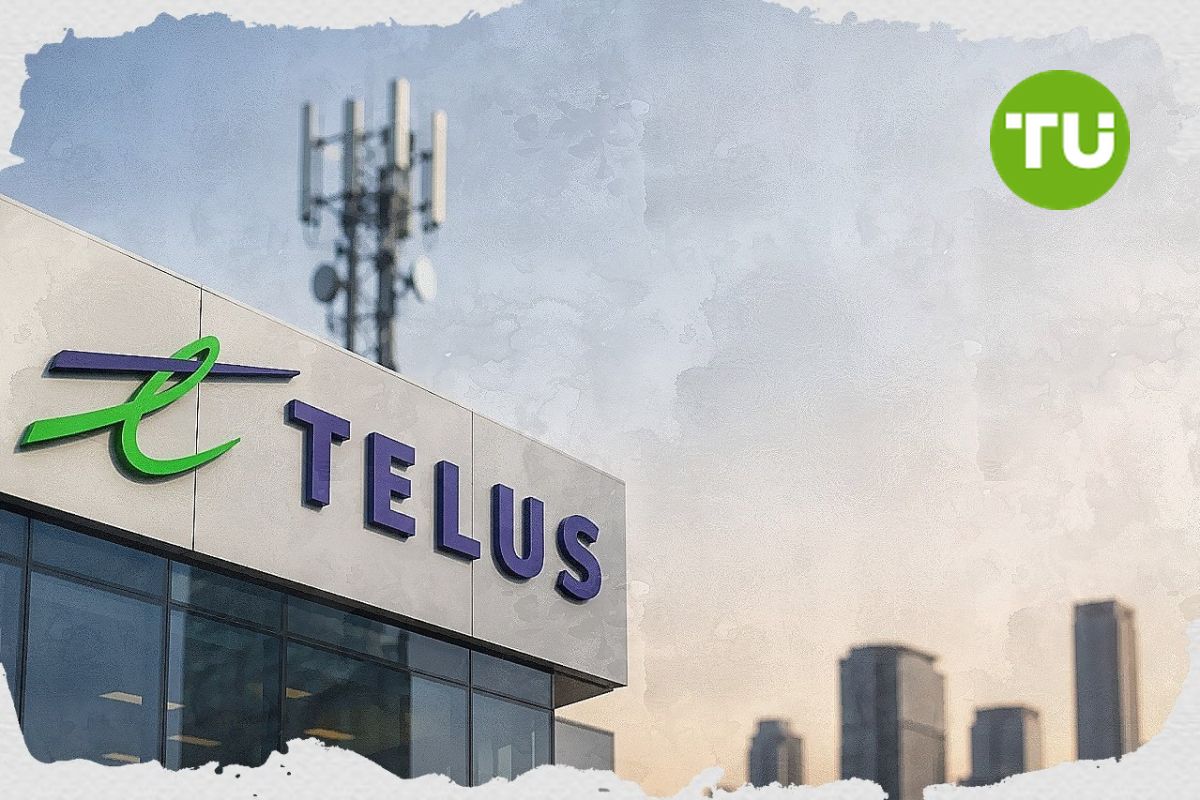
High debt remains the biggest obstacle to TELUS' share price recovery. Even solid financial results have not been enough to significantly improve investor sentiment.
In its latest quarter, TELUS reported revenue of C$5.01 billion, slightly below the analyst consensus of C$5.06 billion. At the same time, adjusted earnings per share (EPS) came in at C$0.23, exceeding market expectations by 5.7%.
The company's fundamentals remain mixed. Over the past 12 months, TELUS generated C$20.32 billion in revenue and C$928 million in net income, while maintaining a relatively modest profit margin of 4.57%. The biggest concern remains its high leverage, with a debt-to-equity ratio of approximately 190%, which limits the company's financial flexibility in a high-interest-rate environment.

TELUS approaches a critical support level
TELUS shares have remained in a downtrend since May 2022, with selling pressure continuing to dominate.
The stock is now approaching a major long-term support level at C$14.76. Based on current candlestick formations, holding this level would significantly increase the probability of a short-term technical rebound.
The RSI (14) has also entered oversold territory, while the stock is trading roughly 20% below its 200-day simple moving average (SMA) – another signal suggesting the potential for a near-term bounce.
A technical rebound is expected into the C$15.66–C$16.20 range.
However, trading volume has been increasing during the decline, indicating that the longer-term bearish trend remains intact.
If C$14.76 fails to hold, the next major support is located at C$12.50.
High debt clouds TELUS' AI ambitions
Despite generating stable cash flow and operating a resilient telecommunications business, investors remain cautious about TELUS' outlook. The market wants to see not only continued EBITDA growth but also faster earnings expansion alongside a gradual reduction in leverage.
Additional concerns surround the company's AI infrastructure strategy. TELUS plans to invest approximately $66 billion over the next five years. However, with its debt-to-equity ratio already above 190%, investors worry that such an ambitious investment program could further increase financial leverage and delay improvements in the company's key financial metrics.




Latest Telus News




-
 Afghanistan
-
 Albania
-
 Algeria
-
 Angola
-
 Argentina
-
 Armenia
-
 Australia
-
 Austria
-
 Azerbaijan
-
 Bahamas
-
 Bahrain
-
 Bangladesh
-
 Belarus
-
 Belgium
-
 Bolivia
-
 Botswana
-
 Brazil
-
 Brunei
-
 Bulgaria
-
 Cambodia
-
 Cameroon
-
 Canada
-
 Chile
Chile
-
 China
China
-
 Colombia
-
 Congo
Congo
-
 Costa Rica
-
 Cote d'Ivoire
-
 Croatia
-
 Cuba
Cuba
-
 Cyprus
-
 Czechia
-
 DR Congo
-
 Denmark
-
 Dominican Republic
-
 Ecuador
-
 Egypt
Egypt
-
 El Salvador
-
 Estonia
-
 Eswatini
-
 Ethiopia
-
 Finland
-
 France
-
 Georgia
-
 Germany
-
 Ghana
Ghana
-
 Greece
-
 Haiti
Haiti
-
 Hong Kong
-
 Hungary
-
 India
India
-
 Indonesia
-
 Iran, Islamic republic
-
 Iraq
Iraq
-
 Ireland
-
 Israel
-
 Italy
Italy
-
 Jamaica
-
 Japan
Japan
-
 Jordan
-
 Kazakhstan
-
 Kenya
Kenya
-
 Korea
Korea
-
 Kuwait
-
 Kyrgyzstan
-
 Laos
Laos
-
 Latvia
-
 Lebanon
-
 Lesotho
-
 Libya
Libya
-
 Lithuania
-
 Luxembourg
-
 Madagascar
-
 Malaysia
-
 Malta
Malta
-
 Mauritius
-
 Mexico
-
 Moldova
-
 Mongolia
-
 Montenegro
-
 Morocco
-
 Mozambique
-
 Myanmar
-
 Namibia
-
 Nepal
Nepal
-
 Netherlands
-
 New Zealand
-
 Nigeria
-
 North Macedonia
-
 Norway
-
 Oman
Oman
-
 Pakistan
-
 Palestine
-
 Panama
-
 Papua New Guinea
-
 Paraguay
-
 Peru
Peru
-
 Philippines
-
 Poland
-
 Portugal
-
 Puerto Rico
-
 Qatar
Qatar
-
 Reunion
-
 Romania
-
 Rwanda
-
 Saudi Arabia
-
 Serbia
-
 Singapore
-
 Slovakia
-
 Slovenia
-
 Somalia
-
 South Africa
-
 Spain
Spain
-
 Sri Lanka
-
 Sweden
-
 Switzerland
-
 Syria
Syria
-
 Taiwan
-
 Tajikistan
-
 Tanzania
-
 Thailand
-
 Trinidad and Tobago
-
 Tunisia
-
 Turkey
-
 UAE
UAE
-
 Uganda
-
 Ukraine
-
 United Kingdom
-
United States
-
 Uruguay
-
 Uzbekistan
-
 Venezuela
-
 Vietnam
-
 Yemen
Yemen
-
 Zambia
-
 Zimbabwe
- Forex
- Crypto











