
U.S. trade policy debate deepens as Trump revives tariff doctrine
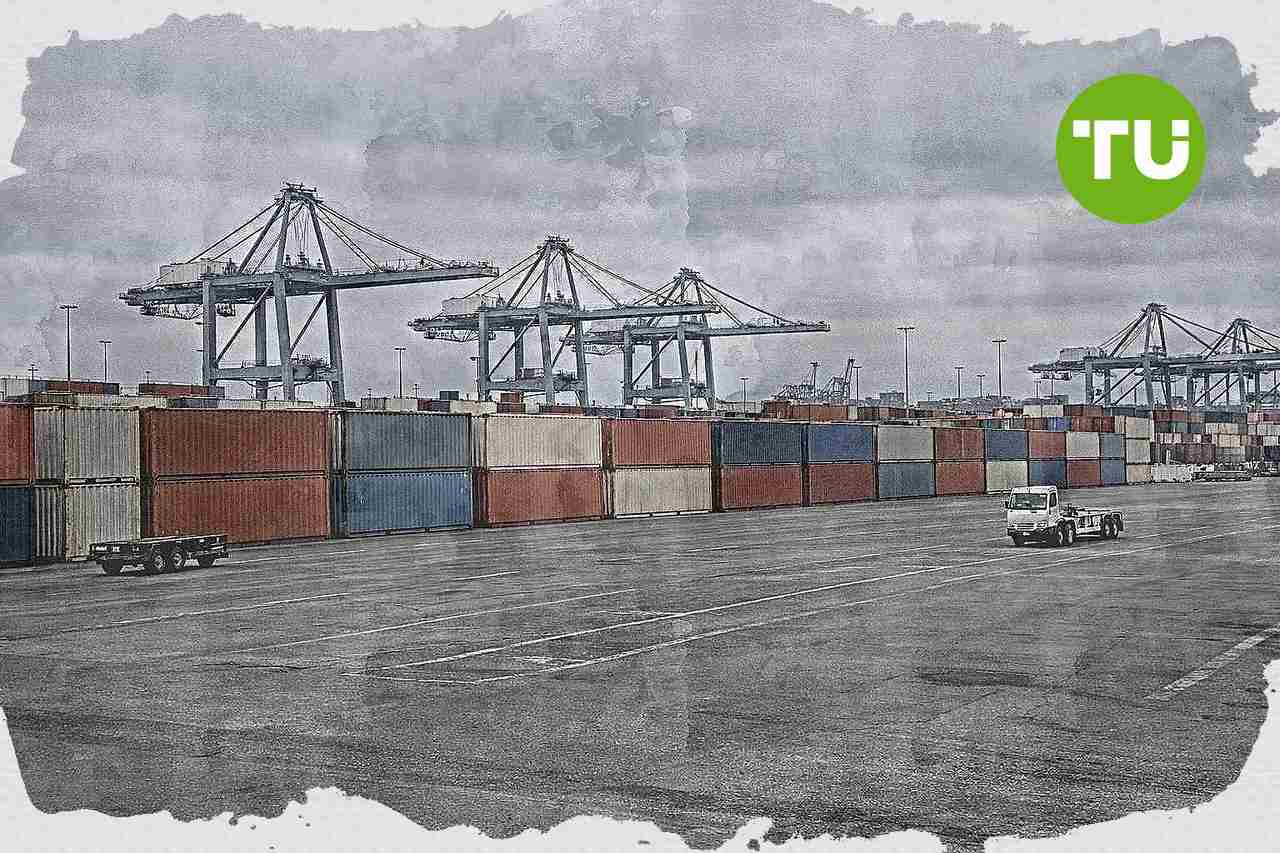
U.S. tariff policy is returning to the center of political and economic debate as Donald Trump promotes sweeping duties by invoking earlier eras of American protectionism. The comparison draws on a long and uneven history in which tariffs have served different goals, from raising federal revenue to shielding manufacturers and bargaining with trading partners.
Highlights
- Trump's revived tariff doctrine compresses distinct phases of U.S. trade policy, overstating the protectionist impact of historical measures like the McKinley tariff of 1890.
- Trump's policy aims—raising revenue, protecting industries, and pressuring trading partners—conflict, since tariffs cannot reliably achieve all goals simultaneously.
- Trump's approach weakens Congress's traditional authority over foreign commerce, driving uncertainty for U.S. manufacturing and federal economic strategy.
Historical roots and current claims
As reported by Financial Times, Trump is presenting his tariff agenda as a continuation of a long U.S. tradition linked to figures including Alexander Hamilton, Henry Clay and William McKinley. The article argues that this reading compresses very different phases of U.S. trade policy into a single narrative and overlooks how tariff policy historically shifted between revenue collection, industrial protection and reciprocal bargaining.In the early republic, tariffs mainly helped finance the federal government because Washington lacked both the political support and administrative capacity for an income tax. Although duties offered some support to manufacturers, they remained relatively low and did not aim primarily to shut out imports, while stronger protectionist use of tariffs emerged later in the 19th century amid conflict between export-oriented agriculture and manufacturers seeking shelter from British competition.
The McKinley tariff of 1890 fits that later protectionist tradition, but the article says Trump overstates its role in driving industrial growth. It also points to the Smoot-Hawley Act of 1930 as the most notorious example of tariff escalation, describing it as a politically driven measure that spiraled beyond its original scope and triggered retaliation from trading partners, worsening the economic downturn.
Policy tensions and economic implications
After the Depression, the U.S. spent decades lowering tariffs through domestic and multilateral policy, despite occasional protectionist interruptions under later administrations. By the time Trump won the presidency in 2016, public frustration over trade and globalization was rising, especially with China's emergence, but the article portrays his approach as an unusually sharp break in both method and coherence.It argues that the current policy is internally contradictory because Trump is trying to use tariffs for several conflicting purposes at once. He wants them to raise revenue, protect favored industries and pressure other countries into lowering their own trade barriers, even though those aims work against each other because tariffs cannot reliably generate revenue if imports fall sharply or if duties are reduced in reciprocal deals.
The article also highlights constitutional and political risks, saying one of the most unusual features of Trump's approach is the weakening of Congress's traditional role in regulating foreign commerce. With tariff measures proving politically unpopular, the policy is now at a standstill, but the broader dispute continues to influence expectations for U.S. manufacturing, trade relations and the direction of federal economic strategy.
In our earlier article on the U.S.-Mexico-Canada Agreement (USMCA) renewal talks, we examined how a looming deadline and the threat of a U.S. withdrawal could push the pact into a prolonged limbo of mandatory annual reviews. We noted that such recurring scrutiny would raise costs and extend uncertainty for cross-border supply chains, even as USMCA-qualifying trade has largely remained exempt from the administration’s latest tariff measures.





Latest Trade Wars News





-
 Afghanistan
-
 Albania
-
 Algeria
-
 Angola
-
 Argentina
-
 Armenia
-
 Australia
-
 Austria
-
 Azerbaijan
-
 Bahamas
-
 Bahrain
-
 Bangladesh
-
 Belarus
-
 Belgium
-
 Bolivia
-
 Botswana
-
 Brazil
-
 Brunei
-
 Bulgaria
-
 Cambodia
-
 Cameroon
-
 Canada
-
 Chile
Chile
-
 China
China
-
 Colombia
-
 Congo
Congo
-
 Costa Rica
-
 Cote d'Ivoire
-
 Croatia
-
 Cuba
Cuba
-
 Cyprus
-
 Czechia
-
 DR Congo
-
 Denmark
-
 Dominican Republic
-
 Ecuador
-
 Egypt
Egypt
-
 El Salvador
-
 Estonia
-
 Eswatini
-
 Ethiopia
-
 Finland
-
 France
-
 Georgia
-
 Germany
-
 Ghana
Ghana
-
 Greece
-
 Haiti
Haiti
-
 Hong Kong
-
 Hungary
-
 India
India
-
 Indonesia
-
 Iran, Islamic republic
-
 Iraq
Iraq
-
 Ireland
-
 Israel
-
 Italy
Italy
-
 Jamaica
-
 Japan
Japan
-
 Jordan
-
 Kazakhstan
-
 Kenya
Kenya
-
 Korea
Korea
-
 Kuwait
-
 Kyrgyzstan
-
 Laos
Laos
-
 Latvia
-
 Lebanon
-
 Lesotho
-
 Libya
Libya
-
 Lithuania
-
 Luxembourg
-
 Madagascar
-
 Malaysia
-
 Malta
Malta
-
 Mauritius
-
 Mexico
-
 Moldova
-
 Mongolia
-
 Montenegro
-
 Morocco
-
 Mozambique
-
 Myanmar
-
 Namibia
-
 Nepal
Nepal
-
 Netherlands
-
 New Zealand
-
 Nigeria
-
 North Macedonia
-
 Norway
-
 Oman
Oman
-
 Pakistan
-
 Palestine
-
 Panama
-
 Papua New Guinea
-
 Paraguay
-
 Peru
Peru
-
 Philippines
-
 Poland
-
 Portugal
-
 Puerto Rico
-
 Qatar
Qatar
-
 Reunion
-
 Romania
-
 Rwanda
-
 Saudi Arabia
-
 Serbia
-
 Singapore
-
 Slovakia
-
 Slovenia
-
 Somalia
-
 South Africa
-
 Spain
Spain
-
 Sri Lanka
-
 Sweden
-
 Switzerland
-
 Syria
Syria
-
 Taiwan
-
 Tajikistan
-
 Tanzania
-
 Thailand
-
 Trinidad and Tobago
-
 Tunisia
-
 Turkey
-
 UAE
UAE
-
 Uganda
-
 Ukraine
-
 United Kingdom
-
United States
-
 Uruguay
-
 Uzbekistan
-
 Venezuela
-
 Vietnam
-
 Yemen
Yemen
-
 Zambia
-
 Zimbabwe
- Forex
- Crypto











