
Britain seeks EU summit reset to advance trade and supply chain talks
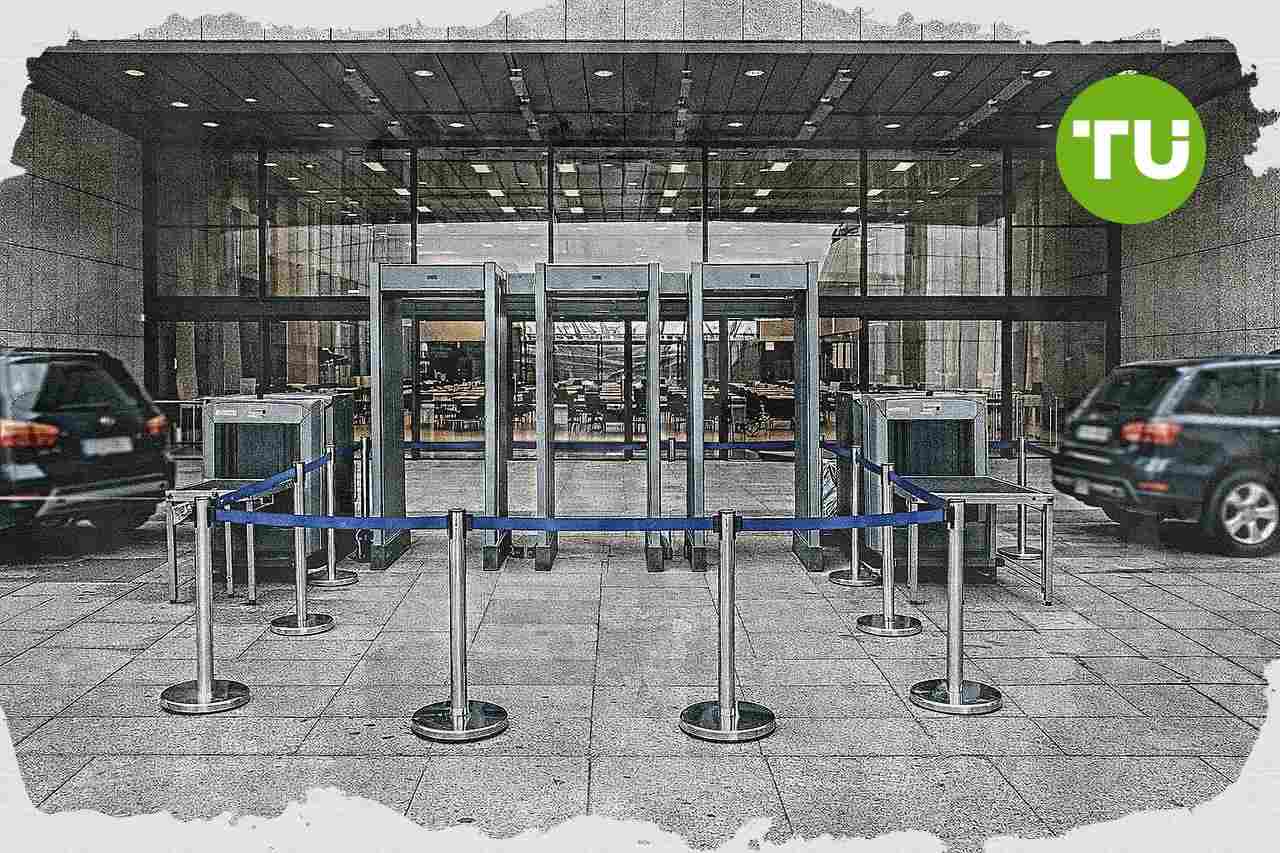
Britain is seeking to reschedule a summit with the European Union after the summer as it tries to keep a broader reset in relations on track during a leadership transition. The government says closer cooperation is increasingly important in a more volatile world, with talks covering agri-food, emissions trading and supply chain access.
Highlights
- Britain's EU summit planned for July 22 is postponed due to Prime Minister Keir Starmer's resignation, but technical trade talks continue under Nick Thomas-Symonds.
- Negotiations focus on agri-food, emissions trading systems linkage, and a youth-mobility scheme, with both sides describing progress as positive despite leadership delays.
- Britain seeks to join initiatives such as the Ukraine support loan and negotiate exemptions from the EU's 'Made in Europe' plan, while agreeing initial steel quotas but needing extended supply-chain arrangements.
Summit delay and negotiation priorities
As reported by Reuters, Britain's EU negotiator Nick Thomas-Symonds says technical work with the bloc continues even after a planned July 22 summit is postponed following Prime Minister Keir Starmer's resignation.Speaking in Brussels after meeting EU trade chief Maros Sefcovic, Thomas-Symonds says discussions on agri-food, linking emissions trading systems and a youth-mobility scheme are in a very positive position. He says delivering the summit package remains his priority despite what he describes as a short delay until Starmer's successor takes office, with Andy Burnham expected to become the next leader.
Britain first focuses on those areas under Starmer's EU reset in an effort to improve relations with the bloc after the 2016 Brexit vote. Thomas-Symonds says the next step after securing an agreement is to persuade British voters of the practical benefits of cooperation.
Supply chains and wider market access
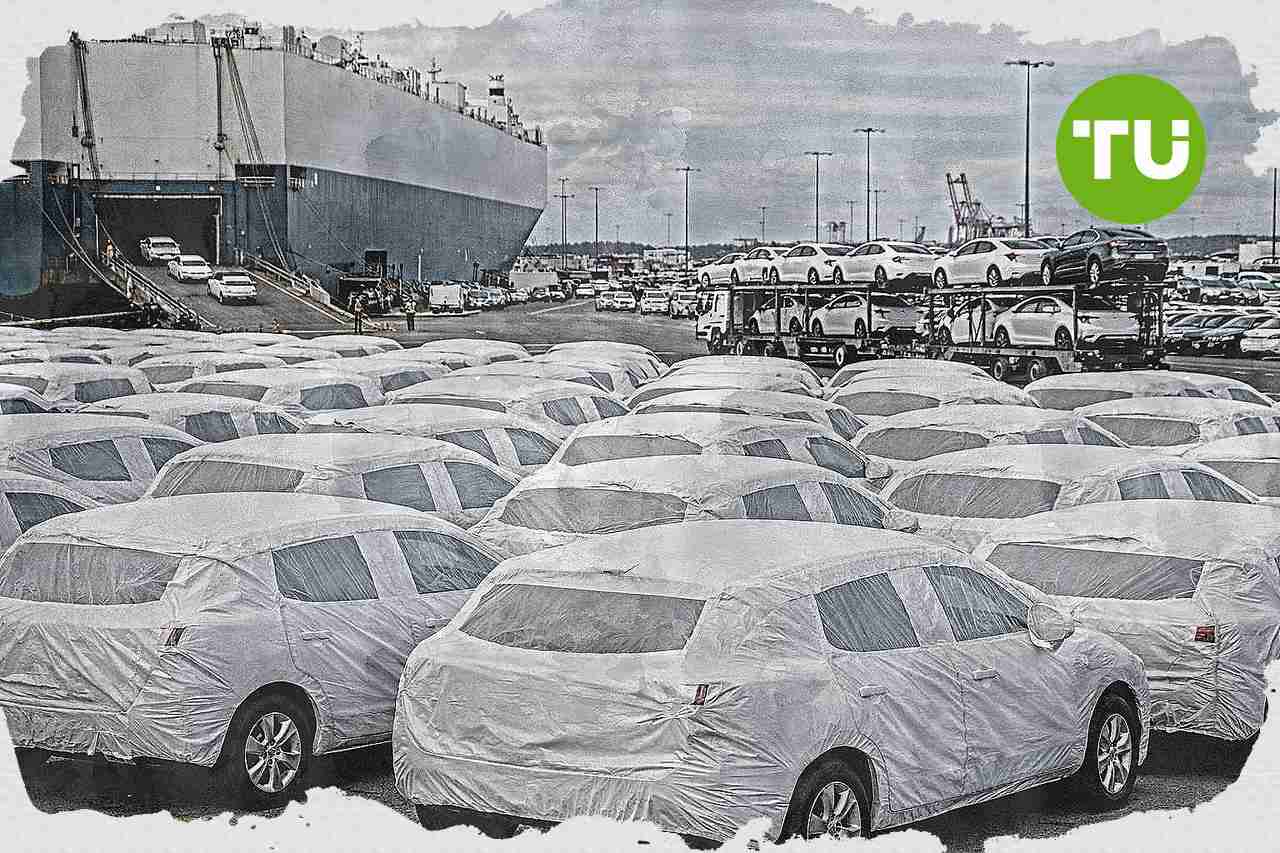
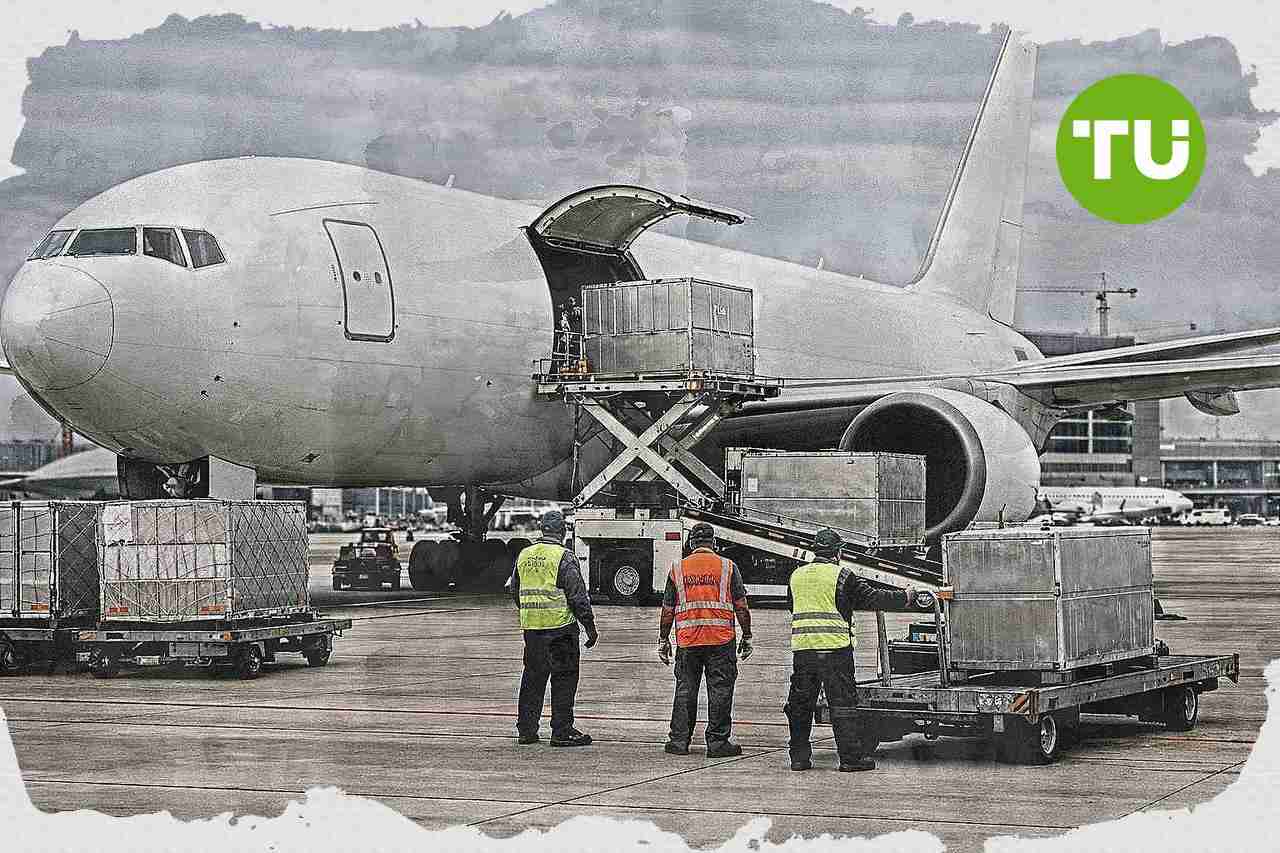
Thomas-Symonds says a more dangerous global environment makes deeper UK-EU ties crucial, especially because of the depth of shared supply chains. He says Britain wants the EU to see that both sides face common challenges and should not treat each other as the problem.His remit now extends beyond the initial package, with Britain also hoping to join other initiatives such as the Ukraine support loan and to secure carve-outs from the bloc's "Made in Europe" plan. The policy could give preference to European-made goods in public contracts and risk squeezing British companies out of EU supply chains.
He says some progress has been made in those talks and in other areas such as steel, where both sides agree initial quotas under new safeguard measures. But he adds that further work is still needed to secure longer-term deals that preserve and expand cross-Channel supply chains later in the decade.
Our earlier coverage of the UK’s defence investment plan examined the growing criticism that the government was leaning on headline spending targets while leaving key funding and reform decisions unresolved. We noted that delivering real security capacity depends on procurement effectiveness and supply-chain constraints, and that the political pressure around these gaps could shape the challenge facing any successor to Keir Starmer.




Latest Trade Deals News




-
 Afghanistan
-
 Albania
-
 Algeria
-
 Angola
-
 Argentina
-
 Armenia
-
 Australia
-
 Austria
-
 Azerbaijan
-
 Bahamas
-
 Bahrain
-
 Bangladesh
-
 Belarus
-
 Belgium
-
 Bolivia
-
 Botswana
-
 Brazil
-
 Brunei
-
 Bulgaria
-
 Cambodia
-
 Cameroon
-
 Canada
-
 Chile
Chile
-
 China
China
-
 Colombia
-
 Congo
Congo
-
 Costa Rica
-
 Cote d'Ivoire
-
 Croatia
-
 Cuba
Cuba
-
 Cyprus
-
 Czechia
-
 DR Congo
-
 Denmark
-
 Dominican Republic
-
 Ecuador
-
 Egypt
Egypt
-
 El Salvador
-
 Estonia
-
 Eswatini
-
 Ethiopia
-
 Finland
-
 France
-
 Georgia
-
 Germany
-
 Ghana
Ghana
-
 Greece
-
 Haiti
Haiti
-
 Hong Kong
-
 Hungary
-
 India
India
-
 Indonesia
-
 Iran, Islamic republic
-
 Iraq
Iraq
-
 Ireland
-
 Israel
-
 Italy
Italy
-
 Jamaica
-
 Japan
Japan
-
 Jordan
-
 Kazakhstan
-
 Kenya
Kenya
-
 Korea
Korea
-
 Kuwait
-
 Kyrgyzstan
-
 Laos
Laos
-
 Latvia
-
 Lebanon
-
 Lesotho
-
 Libya
Libya
-
 Lithuania
-
 Luxembourg
-
 Madagascar
-
 Malaysia
-
 Malta
Malta
-
 Mauritius
-
 Mexico
-
 Moldova
-
 Mongolia
-
 Montenegro
-
 Morocco
-
 Mozambique
-
 Myanmar
-
 Namibia
-
 Nepal
Nepal
-
 Netherlands
-
 New Zealand
-
 Nigeria
-
 North Macedonia
-
 Norway
-
 Oman
Oman
-
 Pakistan
-
 Palestine
-
 Panama
-
 Papua New Guinea
-
 Paraguay
-
 Peru
Peru
-
 Philippines
-
 Poland
-
 Portugal
-
 Puerto Rico
-
 Qatar
Qatar
-
 Reunion
-
 Romania
-
 Rwanda
-
 Saudi Arabia
-
 Serbia
-
 Singapore
-
 Slovakia
-
 Slovenia
-
 Somalia
-
 South Africa
-
 Spain
Spain
-
 Sri Lanka
-
 Sweden
-
 Switzerland
-
 Syria
Syria
-
 Taiwan
-
 Tajikistan
-
 Tanzania
-
 Thailand
-
 Trinidad and Tobago
-
 Tunisia
-
 Turkey
-
 UAE
UAE
-
 Uganda
-
 Ukraine
-
 United Kingdom
-
United States
-
 Uruguay
-
 Uzbekistan
-
 Venezuela
-
 Vietnam
-
 Yemen
Yemen
-
 Zambia
-
 Zimbabwe
- Forex
- Crypto











