
U.S. construction spending edges up in May as higher mortgage rates weigh on homebuilding
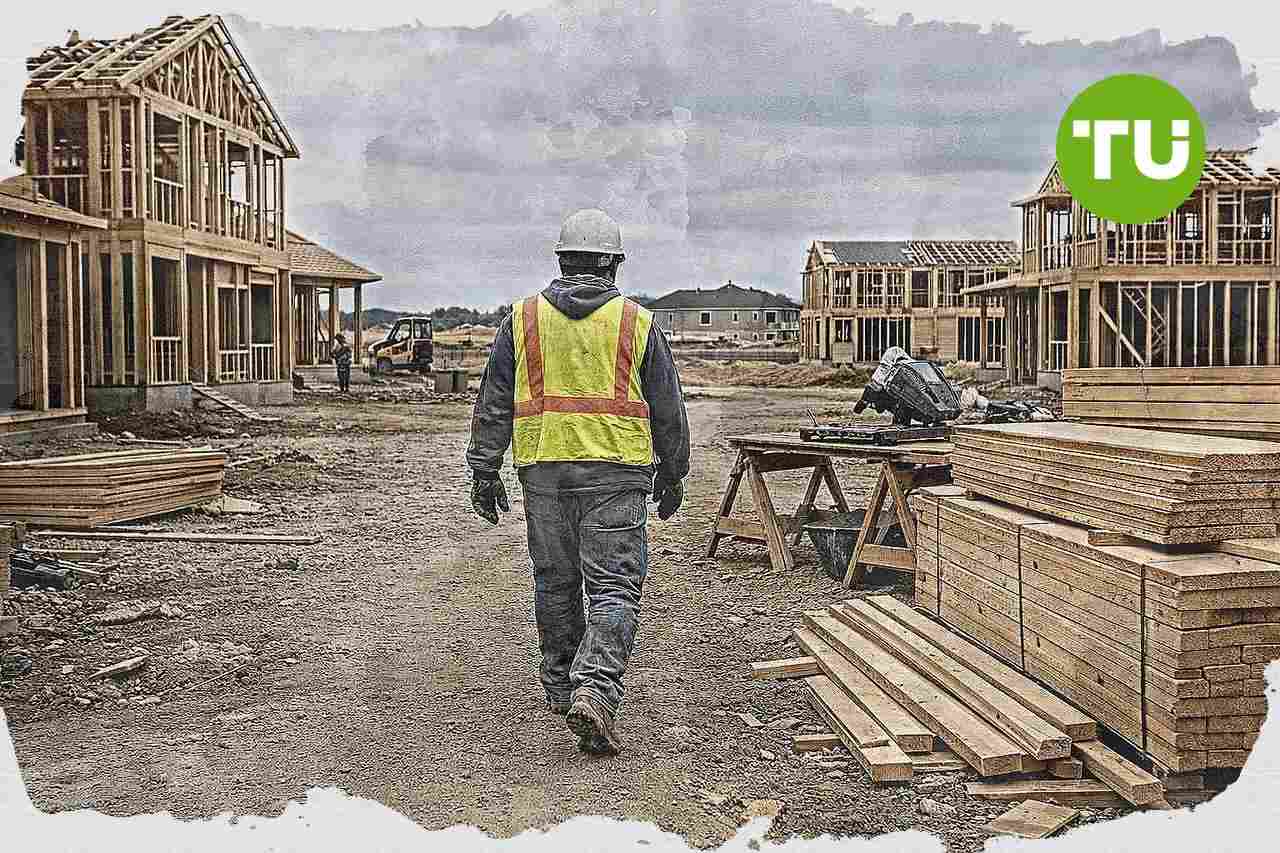
Higher borrowing costs linked to the Middle East conflict are limiting momentum in the U.S. construction sector even as overall spending posts a modest monthly gain. Residential activity is showing strain in new single-family projects, while public construction and renovation work provide some support.
Highlights
- U.S. construction spending rises 0.1% in May after a revised 0.3% April gain, but falls 1.5% year on year.
- Residential construction investment increases 0.3% in May driven by renovations, while new single-family housing spending slips 0.1% and drops 4.0% year on year.
- Public construction spending grows 0.5%, with federal government outlays up 1.3%, offsetting flat private sector activity amid a 6.49% average 30-year mortgage rate.
May spending trends across housing and private projects
As reported by Reuters, the Commerce Department's Census Bureau says U.S. construction spending rises 0.1% in May after a downwardly revised 0.3% increase in April. Economists polled by Reuters had forecast a 0.1% gain, while construction spending falls 1.5% from a year earlier.Spending on private construction projects is unchanged after rising 0.3% in the previous month. Investment in residential construction increases 0.3%, reflecting renovations, but spending on new single-family housing projects slips 0.1% and tumbles 4.0% year on year in May.
Spending on multi-family housing units, which account for a small share of the housing market, dips 0.1% in May. Investment in private nonresidential structures such as power plants and factories declines 0.3%, with spending on factory construction dropping 1.3% and outlays on power plants easing 0.1%, despite a surge in data center construction tied to artificial intelligence.
Mortgage pressure and public works offset
The U.S.-Israeli war with Iran boosts oil prices, pushing up inflation and mortgage rates and adding pressure to homebuilding. Data from mortgage finance agency Freddie Mac show the average rate on the 30-year fixed-rate mortgage has increased by about 50 basis points since the conflict starts at the end of February, and averages 6.49% last week.Public construction spending increases 0.5% after a similar gain in April. State and local government construction spending rises 0.4% in May, while outlays on federal government projects jump 1.3%, likely boosted by detention center construction linked to an immigration crackdown.
A tax break for short-term rental real estate tied to the permanent bonus depreciation provision in President Trump’s “Big Beautiful Bill” has been drawing higher-income buyers toward vacation-rental purchases as a way to reduce taxes on salaried income, as we previously reported. Our earlier coverage explained that the strategy relies on cost-segregation and strict “material participation” requirements, and it comes with practical risks ranging from weak rental economics and high operating costs to potential audit exposure and tax recapture on sale.












-
 Afghanistan
-
 Albania
-
 Algeria
-
 Angola
-
 Argentina
-
 Armenia
-
 Australia
-
 Austria
-
 Azerbaijan
-
 Bahamas
-
 Bahrain
-
 Bangladesh
-
 Belarus
-
 Belgium
-
 Bolivia
-
 Botswana
-
 Brazil
-
 Brunei
-
 Bulgaria
-
 Cambodia
-
 Cameroon
-
 Canada
-
 Chile
Chile
-
 China
China
-
 Colombia
-
 Congo
Congo
-
 Costa Rica
-
 Cote d'Ivoire
-
 Croatia
-
 Cuba
Cuba
-
 Cyprus
-
 Czechia
-
 DR Congo
-
 Denmark
-
 Dominican Republic
-
 Ecuador
-
 Egypt
Egypt
-
 El Salvador
-
 Estonia
-
 Eswatini
-
 Ethiopia
-
 Finland
-
 France
-
 Georgia
-
 Germany
-
 Ghana
Ghana
-
 Greece
-
 Haiti
Haiti
-
 Hong Kong
-
 Hungary
-
 India
India
-
 Indonesia
-
 Iran, Islamic republic
-
 Iraq
Iraq
-
 Ireland
-
 Israel
-
 Italy
Italy
-
 Jamaica
-
 Japan
Japan
-
 Jordan
-
 Kazakhstan
-
 Kenya
Kenya
-
 Korea
Korea
-
 Kuwait
-
 Kyrgyzstan
-
 Laos
Laos
-
 Latvia
-
 Lebanon
-
 Lesotho
-
 Libya
Libya
-
 Lithuania
-
 Luxembourg
-
 Madagascar
-
 Malaysia
-
 Malta
Malta
-
 Mauritius
-
 Mexico
-
 Moldova
-
 Mongolia
-
 Montenegro
-
 Morocco
-
 Mozambique
-
 Myanmar
-
 Namibia
-
 Nepal
Nepal
-
 Netherlands
-
 New Zealand
-
 Nigeria
-
 North Macedonia
-
 Norway
-
 Oman
Oman
-
 Pakistan
-
 Palestine
-
 Panama
-
 Papua New Guinea
-
 Paraguay
-
 Peru
Peru
-
 Philippines
-
 Poland
-
 Portugal
-
 Puerto Rico
-
 Qatar
Qatar
-
 Reunion
-
 Romania
-
 Rwanda
-
 Saudi Arabia
-
 Serbia
-
 Singapore
-
 Slovakia
-
 Slovenia
-
 Somalia
-
 South Africa
-
 Spain
Spain
-
 Sri Lanka
-
 Sweden
-
 Switzerland
-
 Syria
Syria
-
 Taiwan
-
 Tajikistan
-
 Tanzania
-
 Thailand
-
 Trinidad and Tobago
-
 Tunisia
-
 Turkey
-
 UAE
UAE
-
 Uganda
-
 Ukraine
-
 United Kingdom
-
United States
-
 Uruguay
-
 Uzbekistan
-
 Venezuela
-
 Vietnam
-
 Yemen
Yemen
-
 Zambia
-
 Zimbabwe
- Forex
- Crypto











