


Natural gas remains under pressure near $3.15 per MMBtu as traders continue to focus on comfortable US supply conditions. Market participants expect another solid storage build in the latest EIA report, with consensus forecasts pointing to an injection of around 81 Bcf, well above the five-year average for the same week.

That expectation has limited buying interest despite persistent summer heat across large parts of the United States.
Heat supports demand but production remains strong
High temperatures continue to lift electricity consumption as utilities increase gas-fired power generation for air conditioning demand. However, robust domestic production and healthy inventories continue to outweigh the weather-driven bullish narrative. The EIA also expects US natural gas output to remain at record levels this year, helping keep inventories above historical norms and reducing the risk of a sustained supply shortage.
Technical picture remains bearish
The hourly chart confirms that sellers remain in control. Natural gas continues to trade below its medium and longer-term moving averages after failing to hold recent recovery attempts above the $3.20-3.22 area. The latest decline has brought prices back toward the $3.14-3.15 support region, where buyers are attempting to stabilize the market. Unless prices reclaim the short-term moving averages, the broader technical bias remains tilted to the downside.
LNG demand provides longer-term support
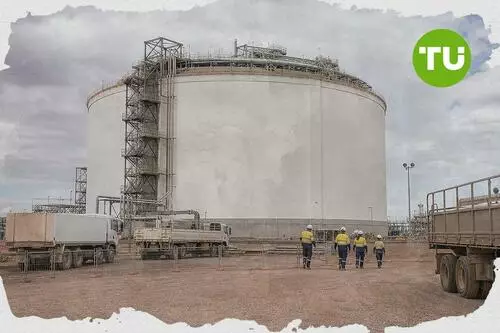
While the short-term balance favors sellers, the medium-term outlook remains more constructive. LNG exports continue to provide structural demand for US gas, and uncertainty surrounding global LNG supply has increased after renewed disruptions affecting Middle East shipments. Even so, as also written in Natural gas steadies as weather demand offsets comfortable supply, traders are likely to keep reacting primarily to weekly storage data and weather forecasts, making near-term price action highly dependent on changes in US inventories and temperature models.






Latest Natural Gas News




-
 Afghanistan
-
 Albania
-
 Algeria
-
 Angola
-
 Argentina
-
 Armenia
-
 Australia
-
 Austria
-
 Azerbaijan
-
 Bahamas
-
 Bahrain
-
 Bangladesh
-
 Belarus
-
 Belgium
-
 Bolivia
-
 Botswana
-
 Brazil
-
 Brunei
-
 Bulgaria
-
 Cambodia
-
 Cameroon
-
 Canada
-
 Chile
-
 China
-
 Colombia
-
 Congo
-
 Costa Rica
-
 Cote d'Ivoire
-
 Croatia
-
 Cuba
-
 Cyprus
-
 Czechia
-
 DR Congo
-
 Denmark
-
 Dominican Republic
-
 Ecuador
-
 Egypt
-
 El Salvador
-
 Estonia
-
 Eswatini
-
 Ethiopia
-
 Finland
-
 France
-
 Georgia
-
 Germany
-
 Ghana
-
 Greece
-
 Haiti
-
 Hong Kong
-
 Hungary
-
 India
-
 Indonesia
-
 Iran, Islamic republic
-
 Iraq
-
 Ireland
-
 Israel
-
 Italy
-
 Jamaica
-
 Japan
-
 Jordan
-
 Kazakhstan
-
 Kenya
-
 Korea
-
 Kuwait
-
 Kyrgyzstan
-
 Laos
-
 Latvia
-
 Lebanon
-
 Lesotho
-
 Libya
-
 Lithuania
-
 Luxembourg
-
 Madagascar
-
 Malaysia
-
 Malta
-
 Mauritius
-
 Mexico
-
 Moldova
-
 Mongolia
-
 Montenegro
-
 Morocco
-
 Mozambique
-
 Myanmar
-
 Namibia
-
 Nepal
-
 Netherlands
-
 New Zealand
-
 Nigeria
-
 North Macedonia
-
 Norway
-
 Oman
-
 Pakistan
-
 Palestine
-
 Panama
-
 Papua New Guinea
-
 Paraguay
-
 Peru
-
 Philippines
-
 Poland
-
 Portugal
-
 Puerto Rico
-
 Qatar
-
 Reunion
-
 Romania
-
 Rwanda
-
 Saudi Arabia
-
 Serbia
-
 Singapore
-
 Slovakia
-
 Slovenia
-
 Somalia
-
 South Africa
-
 Spain
-
 Sri Lanka
-
 Sweden
-
 Switzerland
-
 Syria
-
 Taiwan
-
 Tajikistan
-
 Tanzania
-
 Thailand
-
 Trinidad and Tobago
-
 Tunisia
-
 Turkey
-
 UAE
-
 Uganda
-
 Ukraine
-
 United Kingdom
-
United States
-
 Uruguay
-
 Uzbekistan
-
 Venezuela
-
 Vietnam
-
 Yemen
-
 Zambia
-
 Zimbabwe
- Forex
- Crypto












