
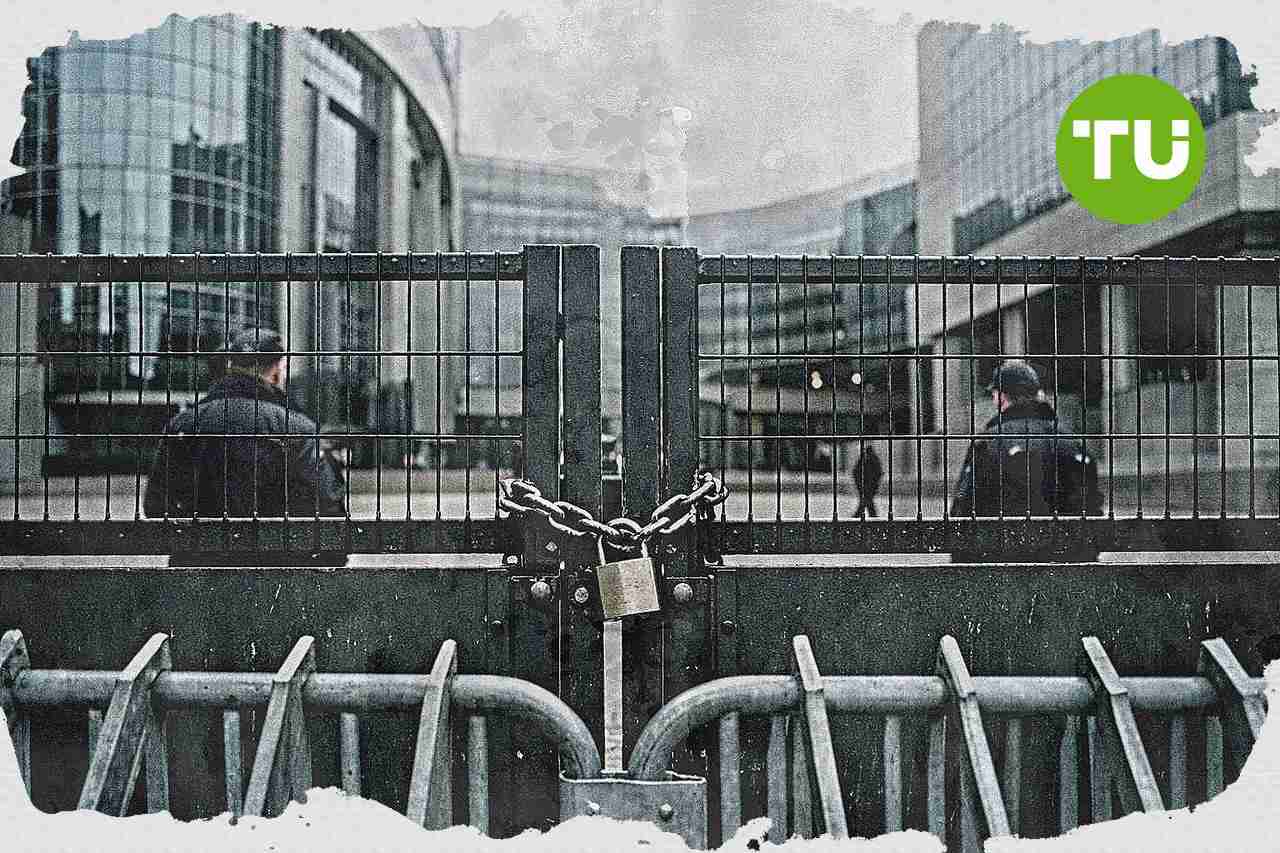
Post-Brexit talks between Brussels and London continue to test how far the UK can shape policies after leaving the bloc. The EU is now rejecting a British proposal to take part in decision-making on European regulations, underscoring that such powers remain limited to member states.
Highlights
- Brussels has formally rejected a UK proposal for participation in EU rule-making, reserving decision-making exclusively for member states.
- The EU's move underscores institutional limits on non-member influence, leaving the UK unable to shape legislative processes post-Brexit.
- This stance signals that future UK-EU cooperation will likely exclude shared governance, impacting UK businesses affected by EU regulatory changes.
Brussels draws line on governance
As reported by the Financial Times, Brussels has formally rejected a UK proposal that would have given Britain a role in decision-making on EU regulations and policies. EU officials say those functions are reserved exclusively for member states, reinforcing the bloc's institutional limits on outside participation.The UK government had presented the measures as a way to preserve cooperation without undermining the EU's internal structures. But the response from Brussels leaves little room for a non-member state to influence new legislative processes from within the system.
Implications for post-Brexit ties
The dispute highlights a broader tension in the UK's post-Brexit relationship with the EU, as London seeks ways to manage its new external status while still affecting rules that may shape its economy and trade. For businesses, the issue matters because EU regulatory decisions can still carry significant consequences for UK-based companies operating across European markets.The EU is also reiterating that its governance framework is not built for non-member influence. By maintaining a firm boundary between the rights of members and the expectations of external partners, Brussels signals that future cooperation is likely to stop short of shared rule-making.
In our earlier coverage of European regulators’ intensifying scrutiny of artificial intelligence in finance, we outlined warnings that rulemaking is struggling to keep pace with rapid advances such as agentic AI in trading, risk management, and market operations. We also noted officials’ calls for faster oversight tools and safeguards—like circuit breakers or kill switches—to contain volatility and protect market integrity while still enabling innovation.





Latest EU Antitrust News






-
 Afghanistan
-
 Albania
-
 Algeria
-
 Angola
-
 Argentina
-
 Armenia
-
 Australia
-
 Austria
-
 Azerbaijan
-
 Bahamas
-
 Bahrain
-
 Bangladesh
-
 Belarus
-
 Belgium
-
 Bolivia
-
 Botswana
-
 Brazil
-
 Brunei
-
 Bulgaria
-
 Cambodia
-
 Cameroon
-
 Canada
-
 Chile
Chile
-
 China
China
-
 Colombia
-
 Congo
Congo
-
 Costa Rica
-
 Cote d'Ivoire
-
 Croatia
-
 Cuba
Cuba
-
 Cyprus
-
 Czechia
-
 DR Congo
-
 Denmark
-
 Dominican Republic
-
 Ecuador
-
 Egypt
Egypt
-
 El Salvador
-
 Estonia
-
 Eswatini
-
 Ethiopia
-
 Finland
-
 France
-
 Georgia
-
 Germany
-
 Ghana
Ghana
-
 Greece
-
 Haiti
Haiti
-
 Hong Kong
-
 Hungary
-
 India
India
-
 Indonesia
-
 Iran, Islamic republic
-
 Iraq
Iraq
-
 Ireland
-
 Israel
-
 Italy
Italy
-
 Jamaica
-
 Japan
Japan
-
 Jordan
-
 Kazakhstan
-
 Kenya
Kenya
-
 Korea
Korea
-
 Kuwait
-
 Kyrgyzstan
-
 Laos
Laos
-
 Latvia
-
 Lebanon
-
 Lesotho
-
 Libya
Libya
-
 Lithuania
-
 Luxembourg
-
 Madagascar
-
 Malaysia
-
 Malta
Malta
-
 Mauritius
-
 Mexico
-
 Moldova
-
 Mongolia
-
 Montenegro
-
 Morocco
-
 Mozambique
-
 Myanmar
-
 Namibia
-
 Nepal
Nepal
-
 Netherlands
-
 New Zealand
-
 Nigeria
-
 North Macedonia
-
 Norway
-
 Oman
Oman
-
 Pakistan
-
 Palestine
-
 Panama
-
 Papua New Guinea
-
 Paraguay
-
 Peru
Peru
-
 Philippines
-
 Poland
-
 Portugal
-
 Puerto Rico
-
 Qatar
Qatar
-
 Reunion
-
 Romania
-
 Rwanda
-
 Saudi Arabia
-
 Serbia
-
 Singapore
-
 Slovakia
-
 Slovenia
-
 Somalia
-
 South Africa
-
 Spain
Spain
-
 Sri Lanka
-
 Sweden
-
 Switzerland
-
 Syria
Syria
-
 Taiwan
-
 Tajikistan
-
 Tanzania
-
 Thailand
-
 Trinidad and Tobago
-
 Tunisia
-
 Turkey
-
 UAE
UAE
-
 Uganda
-
 Ukraine
-
 United Kingdom
-
United States
-
 Uruguay
-
 Uzbekistan
-
 Venezuela
-
 Vietnam
-
 Yemen
Yemen
-
 Zambia
-
 Zimbabwe
- Forex
- Crypto











