
Global DRAM market concentration strengthens pricing power for Micron and Korean rivals
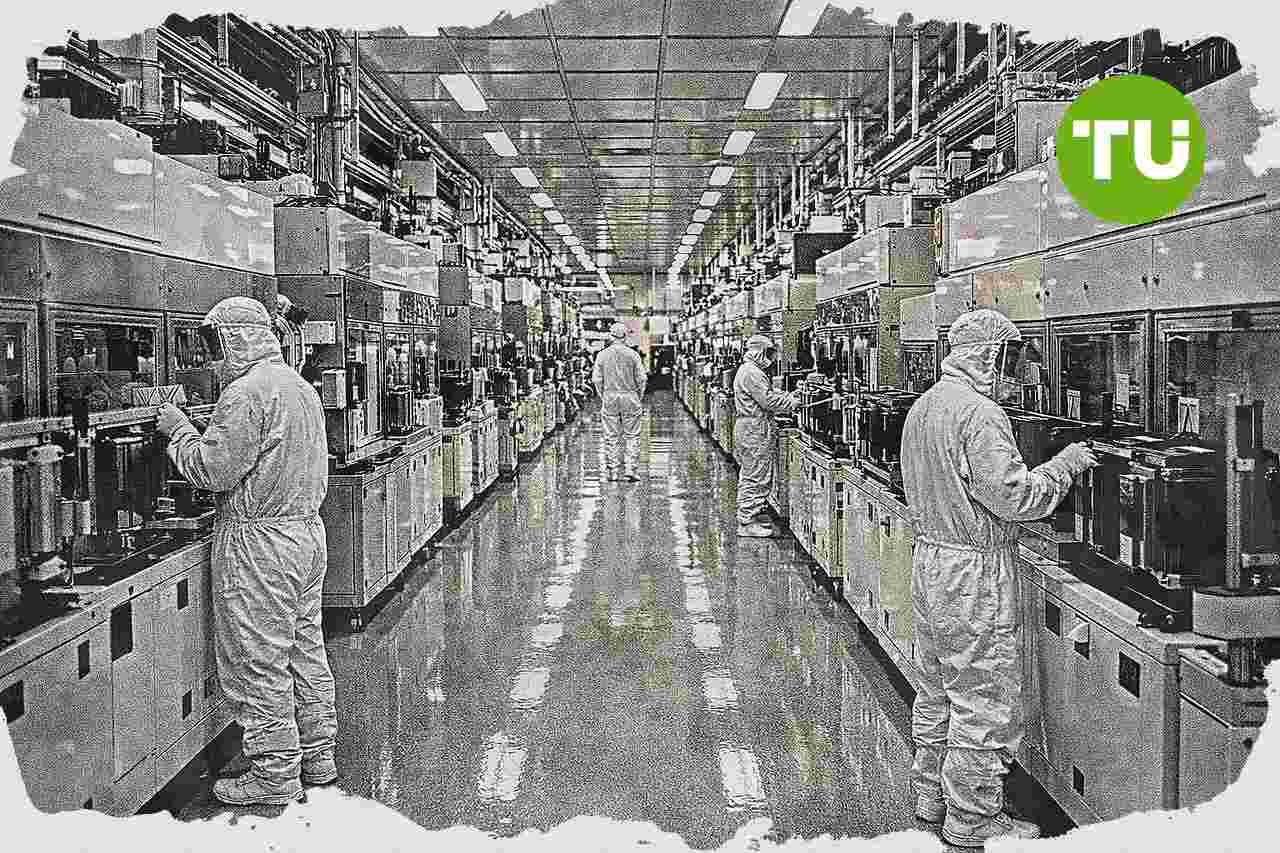
Surging demand for memory chips is pushing investors and analysts to reassess how concentrated the global DRAM market has become. Recent earnings upgrades, fund inflows and higher device prices are adding to concerns that a small group of suppliers holds unusual leverage over U.S. technology buyers.
Highlights
- Samsung, SK Hynix, and Micron controlled 89 per cent of the global DRAM market in Q1 2026, with an HHI of 2,838 indicating high concentration.
- Samsung and SK Hynix's $590 billion investment plan with the Korean government and U.S. trade restrictions on China have increased South Korean and Micron pricing power.
- Apple raised MacBook and iPad prices citing high chip costs, and limited U.S. policy tools mean current DRAM supplier dominance and leverage will persist.
Concentration metrics highlight a tight supplier base
As reported by Financial Times, the global DRAM market appears highly concentrated under the Herfindahl-Hirschman Index, a measure used by U.S. antitrust regulators to assess market power. Using Counterpoint Research data for the first quarter of 2026, Samsung holds 38 per cent of the market, SK Hynix 29 per cent, Micron 22 per cent, ChangXin Memory Technologies 8 per cent, Nanya 2 per cent and all other producers 1 per cent.That market structure produces an HHI of 2,838, above the 1,800 threshold that the U.S. Department of Justice treats as highly concentrated. The reading suggests the memory industry is far from a fragmented competitive market, especially as analysts sharply raise earnings forecasts after Micron reports a 15-fold increase in earnings and investment flows into a DRAM-focused ETF accelerate.
The analysis becomes even more striking if Samsung and SK Hynix are treated as part of a broader South Korean industrial strategy rather than as fully independent competitors. On that basis, the HHI rises to 5,042, a level consistent with an effective duopoly in the global DRAM market.
Industrial policy and trade restrictions deepen market impact
South Korea's role is central because Samsung and SK Hynix operate as two of the country's largest chaebols and benefit from close state backing. Their recently announced $590 billion chip investment plan with the Korean government reinforces the view that the companies are competing not only for profits but also for national market dominance against U.S. and Chinese rivals.That dynamic matters for downstream buyers such as Apple, which has already raised MacBook and iPad prices citing high chip costs. The pressure is amplified by U.S. restrictions on Chinese memory suppliers, because excluding Chinese DRAM from the accessible market for American technology companies pushes concentration even higher and leaves Micron and the Korean producers with stronger pricing power.
The article argues that U.S. policymakers have limited near-term tools to reduce that concentration because antitrust authorities cannot break up foreign producers and the domestic memory base remains narrow. Any easing of import restrictions could loosen the market slightly, but for now DRAM suppliers retain significant leverage over pricing and supply.
In our earlier article, we covered Micron’s standout fiscal Q3 results, driven by surging AI-related memory demand and reinforced by multiple multi-year, fixed-volume supply agreements. We also noted that despite the bullish longer-term setup, short-term price action looked technically mixed, with key resistance levels and volatility making breakouts something to watch closely.




Latest SK Hynix News



-
 Afghanistan
-
 Albania
-
 Algeria
-
 Angola
-
 Argentina
-
 Armenia
-
 Australia
-
 Austria
-
 Azerbaijan
-
 Bahamas
-
 Bahrain
-
 Bangladesh
-
 Belarus
-
 Belgium
-
 Bolivia
-
 Botswana
-
 Brazil
-
 Brunei
-
 Bulgaria
-
 Cambodia
-
 Cameroon
-
 Canada
-
 Chile
Chile
-
 China
China
-
 Colombia
-
 Congo
Congo
-
 Costa Rica
-
 Cote d'Ivoire
-
 Croatia
-
 Cuba
Cuba
-
 Cyprus
-
 Czechia
-
 DR Congo
-
 Denmark
-
 Dominican Republic
-
 Ecuador
-
 Egypt
Egypt
-
 El Salvador
-
 Estonia
-
 Eswatini
-
 Ethiopia
-
 Finland
-
 France
-
 Georgia
-
 Germany
-
 Ghana
Ghana
-
 Greece
-
 Haiti
Haiti
-
 Hong Kong
-
 Hungary
-
 India
India
-
 Indonesia
-
 Iran, Islamic republic
-
 Iraq
Iraq
-
 Ireland
-
 Israel
-
 Italy
Italy
-
 Jamaica
-
 Japan
Japan
-
 Jordan
-
 Kazakhstan
-
 Kenya
Kenya
-
 Korea
Korea
-
 Kuwait
-
 Kyrgyzstan
-
 Laos
Laos
-
 Latvia
-
 Lebanon
-
 Lesotho
-
 Libya
Libya
-
 Lithuania
-
 Luxembourg
-
 Madagascar
-
 Malaysia
-
 Malta
Malta
-
 Mauritius
-
 Mexico
-
 Moldova
-
 Mongolia
-
 Montenegro
-
 Morocco
-
 Mozambique
-
 Myanmar
-
 Namibia
-
 Nepal
Nepal
-
 Netherlands
-
 New Zealand
-
 Nigeria
-
 North Macedonia
-
 Norway
-
 Oman
Oman
-
 Pakistan
-
 Palestine
-
 Panama
-
 Papua New Guinea
-
 Paraguay
-
 Peru
Peru
-
 Philippines
-
 Poland
-
 Portugal
-
 Puerto Rico
-
 Qatar
Qatar
-
 Reunion
-
 Romania
-
 Rwanda
-
 Saudi Arabia
-
 Serbia
-
 Singapore
-
 Slovakia
-
 Slovenia
-
 Somalia
-
 South Africa
-
 Spain
Spain
-
 Sri Lanka
-
 Sweden
-
 Switzerland
-
 Syria
Syria
-
 Taiwan
-
 Tajikistan
-
 Tanzania
-
 Thailand
-
 Trinidad and Tobago
-
 Tunisia
-
 Turkey
-
 UAE
UAE
-
 Uganda
-
 Ukraine
-
 United Kingdom
-
United States
-
 Uruguay
-
 Uzbekistan
-
 Venezuela
-
 Vietnam
-
 Yemen
Yemen
-
 Zambia
-
 Zimbabwe
- Forex
- Crypto












