
NATO summit in Turkey tests alliance on Ukraine war and defense spending
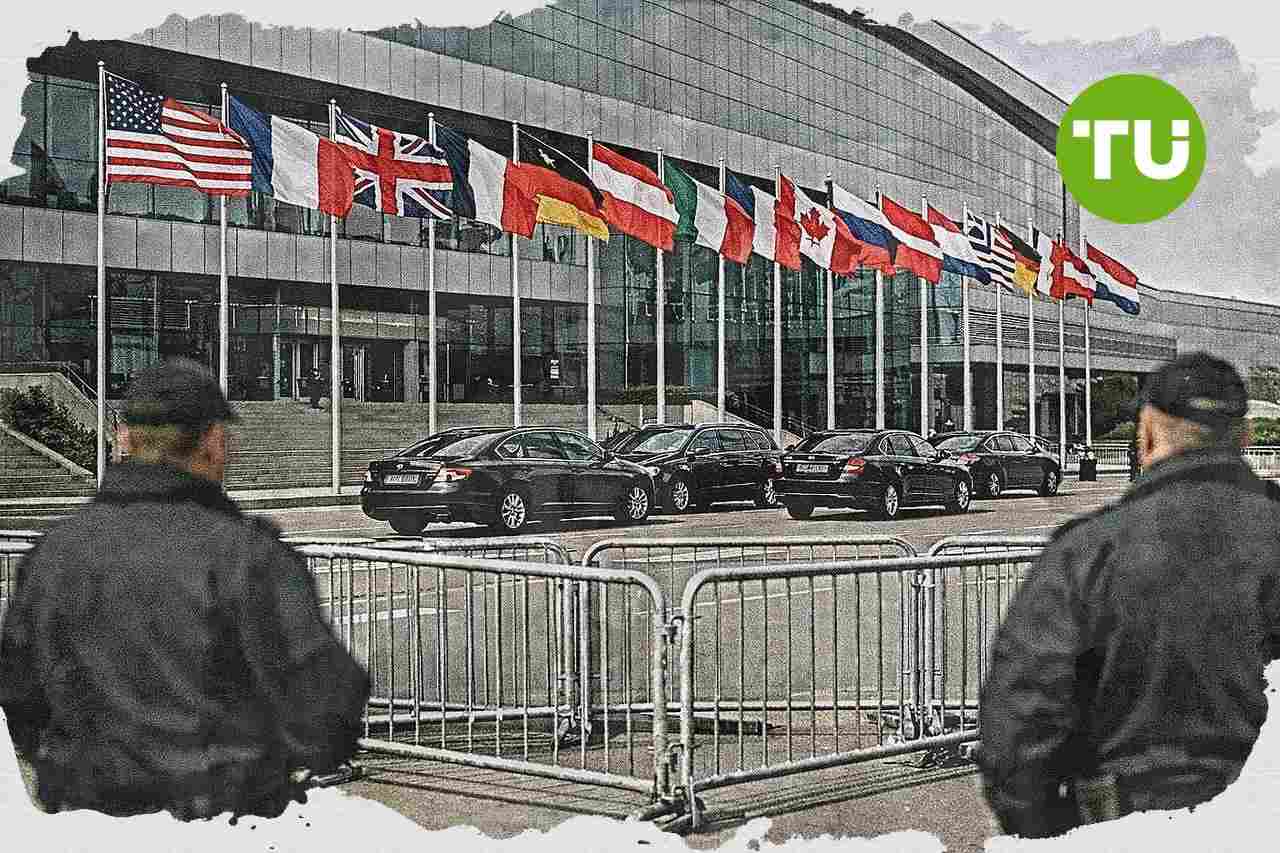
With pressure mounting on the Atlantic alliance, President Donald Trump travels to Turkey for a NATO summit centered on Russia’s war in Ukraine and demands for faster military spending increases. The meeting also unfolds amid tensions over the U.S. campaign against Iran and Trump’s repeated criticism of allies over burden-sharing.
Highlights
- NATO summit in Turkey focuses on accelerating alliance-wide defense spending from 2% to 5% of GDP by 2035, under U.S. pressure.
- Recent Russian missile and drone strikes in Kyiv killing at least 11 people elevate Ukraine's request for military support to a top summit priority.
- A nearly 90-minute Trump-Putin phone call signals openness to future U.S.-Russia cooperation post-war, according to Kremlin and Trump statements.
Summit agenda and diplomatic schedule
As reported by CNBC, Trump is due to arrive in Ankara on Tuesday afternoon after leaving the U.S. on Monday evening, with a meeting scheduled on arrival with Turkish President Recep Tayyip Erdogan, followed by a bilateral session and a NATO leaders’ dinner.On Wednesday, Trump is set to join a leaders’ "family photo" and a working session before holding bilateral meetings with Ukrainian President Volodymyr Zelenskyy and Syrian President Ahmed Hussein al-Sharaa. White House spokeswoman Anna Kelly says the trip comes as Washington pushes allies to move more quickly toward higher defense outlays.
NATO Secretary General Mark Rutte says the task for the summit is to turn allied commitments into concrete results. The alliance already agrees to raise defense spending to 5% of GDP from 2% by 2035, but the Trump administration is urging members to reach that level as soon as possible.
Ukraine war and alliance pressures
Russia’s latest strikes on Kyiv keep the war at the center of the summit after dozens of missiles and hundreds of drones hit the Ukrainian capital on Sunday, killing at least 11 people and injuring many more, according to Zelenskyy and media reports. Zelenskyy says the attack highlights Ukraine’s urgent need for more military support, especially from the U.S., adding that the U.S. and Europe have enough strength to stop the violence.The 32-member alliance already describes Putin’s war in Ukraine as the gravest threat to Euro-Atlantic security in decades. Trump and Putin also hold a nearly 90-minute phone call that the Kremlin describes as business-like and constructive, with Trump saying Russia and the U.S. could unlock major mutually beneficial cooperation once the war ends.
Analysts warn the gathering still carries significant political risk. Michael O’Hanlon of the Brookings Institution says a favorable outcome would include progress on sharing defense costs and finding more ways to pressure Russia, while even limited advances without a breakdown in talks would be seen as a positive result.
Our earlier report on Germany’s plan to borrow more than €800bn by 2030 covered Berlin’s historic fiscal shift to ramp up defence spending alongside a major infrastructure program. We noted that changes to the debt brake would allow significantly higher military outlays and continued support for Ukraine, reflecting heightened security concerns over Russia and uncertainty about long-term U.S. backing for Europe.





Latest Ukraine News









-
 Afghanistan
-
 Albania
-
 Algeria
-
 Angola
-
 Argentina
-
 Armenia
-
 Australia
-
 Austria
-
 Azerbaijan
-
 Bahamas
-
 Bahrain
-
 Bangladesh
-
 Belarus
-
 Belgium
-
 Bolivia
-
 Botswana
-
 Brazil
-
 Brunei
-
 Bulgaria
-
 Cambodia
-
 Cameroon
-
 Canada
-
 Chile
Chile
-
 China
China
-
 Colombia
-
 Congo
Congo
-
 Costa Rica
-
 Cote d'Ivoire
-
 Croatia
-
 Cuba
Cuba
-
 Cyprus
-
 Czechia
-
 DR Congo
-
 Denmark
-
 Dominican Republic
-
 Ecuador
-
 Egypt
Egypt
-
 El Salvador
-
 Estonia
-
 Eswatini
-
 Ethiopia
-
 Finland
-
 France
-
 Georgia
-
 Germany
-
 Ghana
Ghana
-
 Greece
-
 Haiti
Haiti
-
 Hong Kong
-
 Hungary
-
 India
India
-
 Indonesia
-
 Iran, Islamic republic
-
 Iraq
Iraq
-
 Ireland
-
 Israel
-
 Italy
Italy
-
 Jamaica
-
 Japan
Japan
-
 Jordan
-
 Kazakhstan
-
 Kenya
Kenya
-
 Korea
Korea
-
 Kuwait
-
 Kyrgyzstan
-
 Laos
Laos
-
 Latvia
-
 Lebanon
-
 Lesotho
-
 Libya
Libya
-
 Lithuania
-
 Luxembourg
-
 Madagascar
-
 Malaysia
-
 Malta
Malta
-
 Mauritius
-
 Mexico
-
 Moldova
-
 Mongolia
-
 Montenegro
-
 Morocco
-
 Mozambique
-
 Myanmar
-
 Namibia
-
 Nepal
Nepal
-
 Netherlands
-
 New Zealand
-
 Nigeria
-
 North Macedonia
-
 Norway
-
 Oman
Oman
-
 Pakistan
-
 Palestine
-
 Panama
-
 Papua New Guinea
-
 Paraguay
-
 Peru
Peru
-
 Philippines
-
 Poland
-
 Portugal
-
 Puerto Rico
-
 Qatar
Qatar
-
 Reunion
-
 Romania
-
 Rwanda
-
 Saudi Arabia
-
 Serbia
-
 Singapore
-
 Slovakia
-
 Slovenia
-
 Somalia
-
 South Africa
-
 Spain
Spain
-
 Sri Lanka
-
 Sweden
-
 Switzerland
-
 Syria
Syria
-
 Taiwan
-
 Tajikistan
-
 Tanzania
-
 Thailand
-
 Trinidad and Tobago
-
 Tunisia
-
 Turkey
-
 UAE
UAE
-
 Uganda
-
 Ukraine
-
 United Kingdom
-
United States
-
 Uruguay
-
 Uzbekistan
-
 Venezuela
-
 Vietnam
-
 Yemen
Yemen
-
 Zambia
-
 Zimbabwe
- Forex
- Crypto











