
EU shipping carbon rules set to widen fees for vessels using nearby non-EU ports
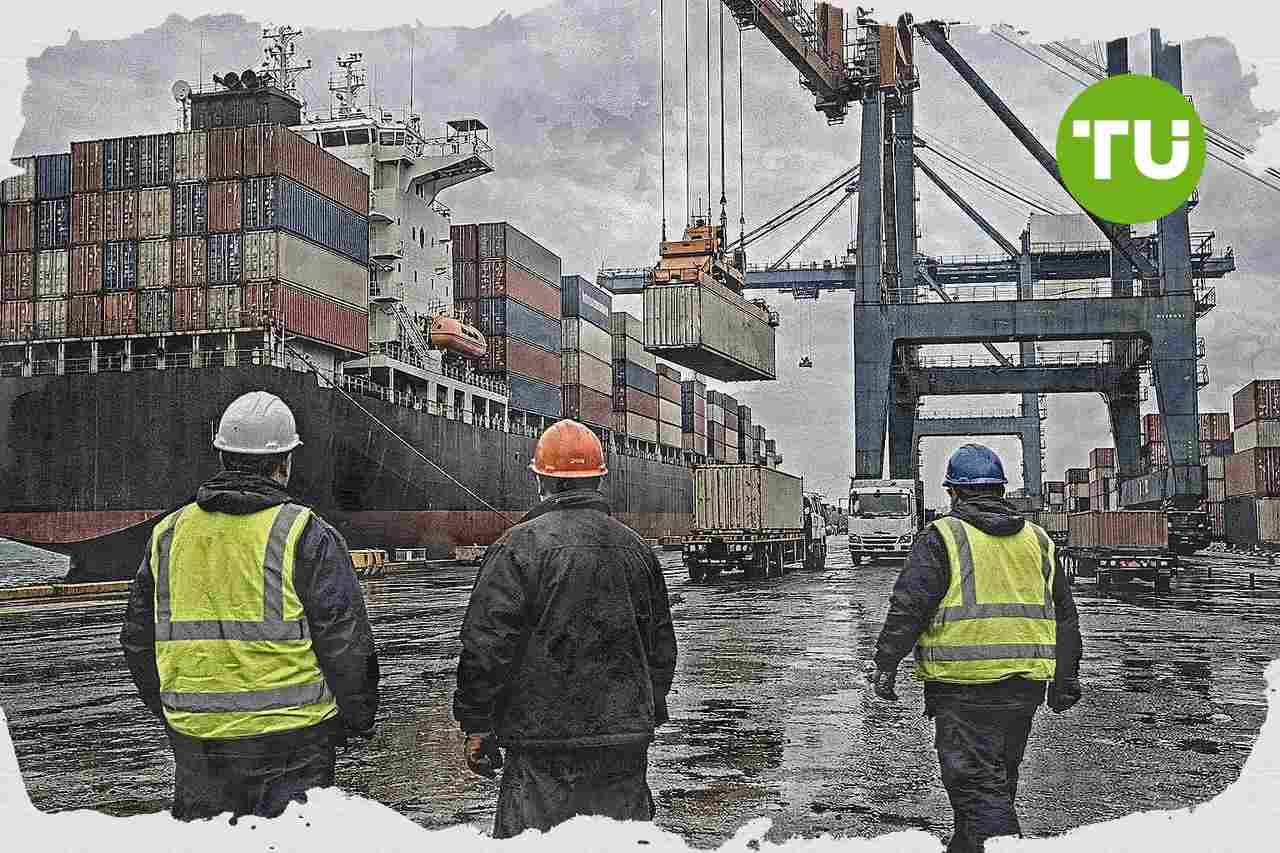
Brussels is moving to tighten maritime carbon pricing as shipping companies reroute calls through nearby non-EU ports to lower emissions charges on voyages into the bloc. The planned change could raise costs for vessels serving EU ports by millions of euros and risks friction with partners including Morocco, Egypt, Jordan and the UK.
Highlights
- EU Commission plans to expand the maritime ETS port list on July 17 to curb avoidance by ships stopping at non-EU ports before entering the bloc.
- ECSA estimates the maritime ETS generates about 7.65 billion euros annually at 85 euros/tonne CO2, potentially rising to 9 billion euros if carbon reaches 100 euros/tonne.
- Proposed ETS revisions could affect ports in Egypt, Morocco, Jordan, and the UK, heightening trade tensions and shifting transshipment activity away from EU ports.
Planned ETS revision targets port stopover loophole
As reported by Financial Times, the European Commission is preparing changes to the EU emissions trading system, or ETS, that would expand the list of non-EU ports counted under the maritime scheme as part of a broader review due on July 17. Officials say the aim is to reduce evasion by ships that stop near EU borders and then count only the shorter final leg into the bloc for carbon costs.Under current rules, vessels sailing to the EU from outside the bloc must buy carbon allowances covering half of their emissions for the journey. But officials and industry sources say some operators are cutting their bills without lowering overall emissions by loading or unloading cargo at ports in North Africa, the Middle East and potentially the UK before continuing to EU destinations.
The Commission has already included Tanger Med in Morocco and Port Said in Egypt, and officials say they are looking at adjusting the criteria further to address avoidance around the Mediterranean and possibly the UK. One diplomat says the current port list is too small and needs to be expanded.
ECSA, the European shipowners' association, says the current maritime ETS system generates about 7.65 billion euros a year assuming a carbon price of 85 euros a tonne of CO2, or 9 billion euros if the price reaches 100 euros a tonne. The wider ETS review also includes measures to extend carbon costs to flights departing the EU and to slow the phaseout of allowances for industry, in line with the bloc's goal of cutting emissions to 90 per cent of 1990 levels by 2040.
Trade tensions and transshipment concerns grow
The proposed shipping measure is not yet finalised, but it may increase tension with trading partners whose ports could be drawn more directly into the EU carbon regime. Countries such as Egypt, Morocco, Jordan and the UK could see their ports affected if Brussels broadens the scope of ports treated as part of the emissions calculation.Shipping groups say the current structure is also shifting transshipment activity away from the EU. Alberto Rossi, secretary-general of Italian shipowners' association Assarmatori, says a vessel is paying roughly 300,000 euros per call, encouraging liners to stop at nearby non-EU ports instead of sailing directly to European ports in order to benefit from the 50 per cent ETS rule.
Rossi says transshipment services are moving to North Africa to avoid ETS costs, affecting jobs and potentially reducing EU control over supply chains. Assarmatori has proposed exempting all emissions linked to transshipment cargoes, while the European People's Party has suggested excluding EU ports at risk of losing transshipment business, including Mediterranean ports in Italy and Spain, from ETS costs.
Officials say the transshipment issue is also under review, but no decision has been made. Shipowners are separately lobbying for a larger share of ETS revenues to be returned to the sector to support greener fuels, with ECSA saying only 5 per cent of current proceeds are expected to flow back to maritime decarbonisation.
Our earlier report on the UK–Netherlands maritime partnership outlined a £2.4 billion agreement to develop new amphibious transport ships by combining British industrial capabilities with Dutch design and seafaring expertise. We noted the deal was positioned as part of a broader push to reinforce NATO cooperation and European defense capacity alongside the NATO summit.





Latest Europe News









-
 Afghanistan
-
 Albania
-
 Algeria
-
 Angola
-
 Argentina
-
 Armenia
-
 Australia
-
 Austria
-
 Azerbaijan
-
 Bahamas
-
 Bahrain
-
 Bangladesh
-
 Belarus
-
 Belgium
-
 Bolivia
-
 Botswana
-
 Brazil
-
 Brunei
-
 Bulgaria
-
 Cambodia
-
 Cameroon
-
 Canada
-
 Chile
Chile
-
 China
China
-
 Colombia
-
 Congo
Congo
-
 Costa Rica
-
 Cote d'Ivoire
-
 Croatia
-
 Cuba
Cuba
-
 Cyprus
-
 Czechia
-
 DR Congo
-
 Denmark
-
 Dominican Republic
-
 Ecuador
-
 Egypt
Egypt
-
 El Salvador
-
 Estonia
-
 Eswatini
-
 Ethiopia
-
 Finland
-
 France
-
 Georgia
-
 Germany
-
 Ghana
Ghana
-
 Greece
-
 Haiti
Haiti
-
 Hong Kong
-
 Hungary
-
 India
India
-
 Indonesia
-
 Iran, Islamic republic
-
 Iraq
Iraq
-
 Ireland
-
 Israel
-
 Italy
Italy
-
 Jamaica
-
 Japan
Japan
-
 Jordan
-
 Kazakhstan
-
 Kenya
Kenya
-
 Korea
Korea
-
 Kuwait
-
 Kyrgyzstan
-
 Laos
Laos
-
 Latvia
-
 Lebanon
-
 Lesotho
-
 Libya
Libya
-
 Lithuania
-
 Luxembourg
-
 Madagascar
-
 Malaysia
-
 Malta
Malta
-
 Mauritius
-
 Mexico
-
 Moldova
-
 Mongolia
-
 Montenegro
-
 Morocco
-
 Mozambique
-
 Myanmar
-
 Namibia
-
 Nepal
Nepal
-
 Netherlands
-
 New Zealand
-
 Nigeria
-
 North Macedonia
-
 Norway
-
 Oman
Oman
-
 Pakistan
-
 Palestine
-
 Panama
-
 Papua New Guinea
-
 Paraguay
-
 Peru
Peru
-
 Philippines
-
 Poland
-
 Portugal
-
 Puerto Rico
-
 Qatar
Qatar
-
 Reunion
-
 Romania
-
 Rwanda
-
 Saudi Arabia
-
 Serbia
-
 Singapore
-
 Slovakia
-
 Slovenia
-
 Somalia
-
 South Africa
-
 Spain
Spain
-
 Sri Lanka
-
 Sweden
-
 Switzerland
-
 Syria
Syria
-
 Taiwan
-
 Tajikistan
-
 Tanzania
-
 Thailand
-
 Trinidad and Tobago
-
 Tunisia
-
 Turkey
-
 UAE
UAE
-
 Uganda
-
 Ukraine
-
 United Kingdom
-
United States
-
 Uruguay
-
 Uzbekistan
-
 Venezuela
-
 Vietnam
-
 Yemen
Yemen
-
 Zambia
-
 Zimbabwe
- Forex
- Crypto











