

Xpeng warns EU investment curbs could deter Chinese EV factory plans in Europe
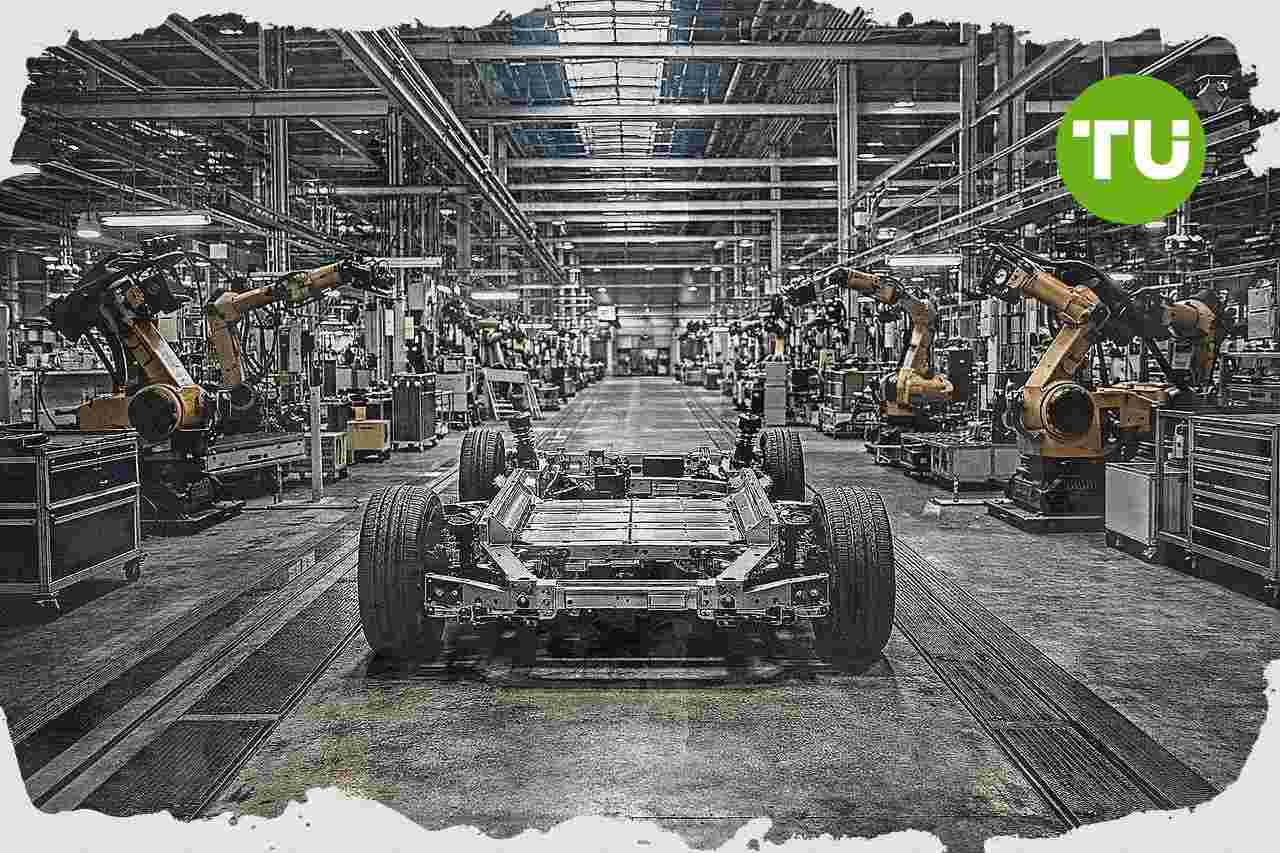
Europe’s car industry is weighing whether Chinese electric vehicle groups can help preserve manufacturing capacity as local automakers cut jobs and production. Xpeng says proposed EU rules on cleantech investment risk undermining that option by making new factory projects harder to structure and justify.
Highlights
- Xpeng warns the European Commission’s draft Industrial Accelerator Act could deter its plans for large-scale EV production in Europe due to restrictive conditions on ownership, governance, and technology sharing.
- The proposed EU rules target companies with over 40 percent manufacturing capacity in cleantech sectors—mainly affecting Chinese firms—and require joint ventures to limit Chinese ownership to 49 percent and hire mainly European workers.
- Amid pressure from Chinese EV entrants and ongoing restructuring by Volkswagen and Stellantis, Xpeng may opt to keep exporting cars from China if EU rules make European manufacturing investments too costly or complex.
Proposed EU rules cloud factory plans
As reported by Financial Times, Xpeng is considering full-scale vehicle production in Europe through a joint venture with a local partner, but the company says the European Commission’s draft Industrial Accelerator Act could make such investments too difficult and costly.Xpeng, which counts Europe as its biggest export market, sees the region as a key growth destination and is exploring manufacturing options that could include capacity freed up by partner Volkswagen. VW bought a 4.99 per cent stake in Xpeng in 2023, and both companies are openly discussing the prospect of Chinese production investment in Europe.
The draft law, published by the European Commission in March, would impose new conditions on direct investment in cleantech sectors including batteries and electric vehicles. The rules apply to companies from any country holding more than 40 per cent of manufacturing capacity in a relevant sector, a threshold that in practice mainly affects China.
Under the proposal, Chinese companies seeking to build large-scale production in Europe should own no more than 49 per cent of a venture, hire mostly European workers and share technology with European partners, among other conditions. Even if most conditions are met, national authorities still retain discretion to reject an investment.
Xpeng general counsel Yeqing Zheng says these terms are more restrictive than the conditions China once imposed on foreign carmakers. He says a 51-49 split creates more complex governance and contract negotiations than a 50-50 structure, and adds that it would be challenging for Xpeng to justify such investments to the Chinese government.
Pressure on Europe’s auto sector grows
European policymakers are debating the rules as the region’s carmakers face rising pressure from Chinese competitors that now dominate their home market and are expanding across overseas markets, including Europe.Volkswagen plans to end production at four German factories as part of a broader effort to cut its global workforce by up to 100,000. Stellantis is also cutting jobs in Germany, Italy and Poland and is ending car production in the Paris region, highlighting the scale of restructuring across Europe’s automotive sector.
At the same time, several Chinese groups are moving to establish manufacturing footholds in Europe. SAIC plans to build its first EU car factory in Galicia, according to the Spanish regional government, while Stellantis is pursuing ventures with Leapmotor for electric vehicles and CATL for lithium-ion battery cells near Zaragoza. In Hungary, BYD is set to begin production at its first European car plant later this year, reducing exposure to EU tariffs on Chinese auto imports.
China has condemned the proposed EU law as creating serious investment barriers and systemic discrimination. Bruegel has also warned that the measures could slow clean-energy deployment and raise input costs for EU industry without focusing on the dependencies that most threaten economic security.
Beijing and Brussels now begin a four-month trade and industry consultation aimed at finding common ground. Xpeng already has cars assembled in Graz, Austria, by Magna Steyr from kits produced in China, but Zheng says that if the new rules make joint ventures too burdensome, the company will likely continue exporting fully assembled vehicles from China and pay the tariffs instead.
In our earlier update on Tesla’s Model Y lineup expansion, we covered the launch of a six-seater, long-wheelbase Model Y L in the U.S. as part of the company’s strategy to stimulate demand after the loss of a federal EV tax credit. We also noted how regional demand shifts and regulatory developments were influencing Tesla’s near-term outlook, keeping investor focus on deliveries and demand catalysts amid elevated volatility.






Latest Stellantis News



-
 Afghanistan
-
 Albania
-
 Algeria
-
 Angola
-
 Argentina
-
 Armenia
-
 Australia
-
 Austria
-
 Azerbaijan
-
 Bahamas
-
 Bahrain
-
 Bangladesh
-
 Belarus
-
 Belgium
-
 Bolivia
-
 Botswana
-
 Brazil
-
 Brunei
-
 Bulgaria
-
 Cambodia
-
 Cameroon
-
 Canada
-
 Chile
-
 China
-
 Colombia
-
 Congo
-
 Costa Rica
-
 Cote d'Ivoire
-
 Croatia
-
 Cuba
-
 Cyprus
-
 Czechia
-
 DR Congo
-
 Denmark
-
 Dominican Republic
-
 Ecuador
-
 Egypt
-
 El Salvador
-
 Estonia
-
 Eswatini
-
 Ethiopia
-
 Finland
-
 France
-
 Georgia
-
 Germany
-
 Ghana
-
 Greece
-
 Haiti
-
 Hong Kong
-
 Hungary
-
 India
-
 Indonesia
-
 Iran, Islamic republic
-
 Iraq
-
 Ireland
-
 Israel
-
 Italy
-
 Jamaica
-
 Japan
-
 Jordan
-
 Kazakhstan
-
 Kenya
-
 Korea
-
 Kuwait
-
 Kyrgyzstan
-
 Laos
-
 Latvia
-
 Lebanon
-
 Lesotho
-
 Libya
-
 Lithuania
-
 Luxembourg
-
 Madagascar
-
 Malaysia
-
 Malta
-
 Mauritius
-
 Mexico
-
 Moldova
-
 Mongolia
-
 Montenegro
-
 Morocco
-
 Mozambique
-
 Myanmar
-
 Namibia
-
 Nepal
-
 Netherlands
-
 New Zealand
-
 Nigeria
-
 North Macedonia
-
 Norway
-
 Oman
-
 Pakistan
-
 Palestine
-
 Panama
-
 Papua New Guinea
-
 Paraguay
-
 Peru
-
 Philippines
-
 Poland
-
 Portugal
-
 Puerto Rico
-
 Qatar
-
 Reunion
-
 Romania
-
 Rwanda
-
 Saudi Arabia
-
 Serbia
-
 Singapore
-
 Slovakia
-
 Slovenia
-
 Somalia
-
 South Africa
-
 Spain
-
 Sri Lanka
-
 Sweden
-
 Switzerland
-
 Syria
-
 Taiwan
-
 Tajikistan
-
 Tanzania
-
 Thailand
-
 Trinidad and Tobago
-
 Tunisia
-
 Turkey
-
 UAE
-
 Uganda
-
 Ukraine
-
 United Kingdom
-
United States
-
 Uruguay
-
 Uzbekistan
-
 Venezuela
-
 Vietnam
-
 Yemen
-
 Zambia
-
 Zimbabwe
- Forex
- Crypto












