
Britain council housing push raises funding and delivery questions
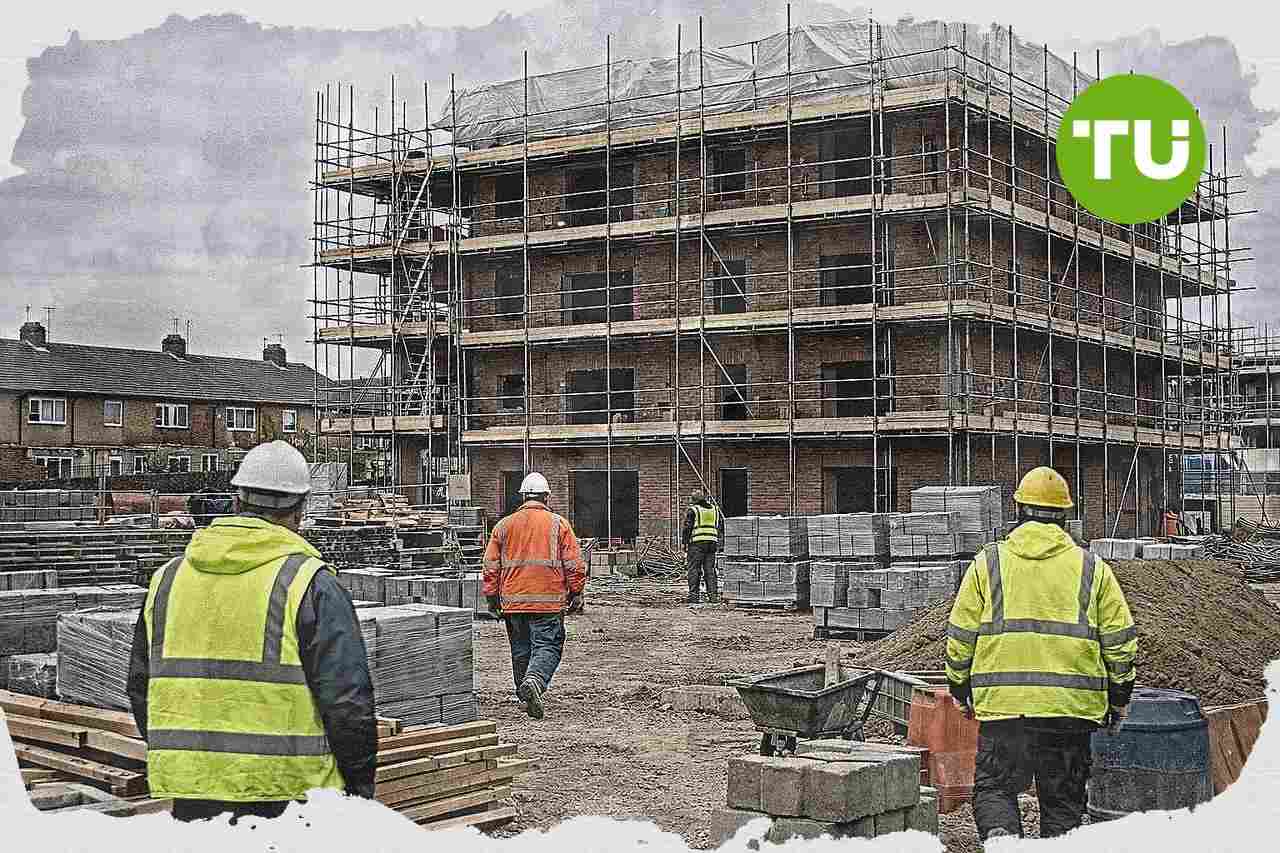
Britain’s debate over social housing is intensifying as Andy Burnham proposes redirecting the government’s £39 billion housing programme toward council-led development. The plan points to a much larger role for local authorities, but it leaves unresolved questions over how many homes could be built, what type they would be, and how much extra public funding would be needed.
Highlights
- Labour's proposed shift of the £39 billion housing budget to councils targets postwar-scale housebuilding, but local authorities built only 10,500 affordable homes in 2024-25 versus 190,000 annually in the 1950s.
- Switching the entire £39 billion Social and Affordable Housing programme to social rent would increase costs by 20 to 25 per cent, potentially reducing total homes delivered by up to 75,000 unless budget rises.
- Restoring council housebuilding to 1950s levels would cost over £20 billion a year, raising funding questions amid £38 billion projected housing benefit spending in 2025-26.
Programme scale and delivery constraints
As reported by Financial Times, Burnham says Britain is stuck in a housing trap and proposes the biggest council housebuilding programme since the postwar period, with Labour’s existing £39 billion housing budget shifted toward local authorities.That ambition is difficult to measure because he does not define what he means by the postwar period. In the 1950s, council housebuilding averages just under 190,000 homes a year, while the later peak comes in 1968, when local authorities across the UK build about 191,000 homes. By contrast, English local authorities deliver just 10,500 affordable homes in 2024-25, and around half of councils in England and Wales build no housing in that period.
The gap reflects a long erosion in local authority capacity. The Right to Buy policy has contributed to the loss of more than 2 million units in England, while many councils transfer remaining stock and development responsibility to housing associations and other non-profit landlords. According to the Chartered Institute of Housing, only 162 of England’s 317 local authorities now own or build homes.
Gavin Smart, chief executive of the Chartered Institute of Housing, says councils have strong potential to expand new housing provision, but housing associations would also need to be involved. Burnham has nevertheless deliberately used the phrase council housebuilding rather than social homes, arguing that housing provision should return to local democratic control.
Budget pressure and sector impact
Cost is likely to depend heavily on the type of homes councils are expected to deliver. In 2024-25, about half of rentals built by English councils are affordable homes, with rents at up to 80 per cent of market levels, while traditional council homes usually imply social rents closer to 50 per cent of market rates and therefore require larger subsidies.The government’s current £39 billion Social and Affordable Housing programme is designed to deliver 300,000 homes over a decade, with only 60 per cent planned as social housing. Steve Partridge, director and affordable housing lead at Savills, says shifting the whole programme to social rent would raise costs by roughly 20 to 25 per cent, taking the total to around £48 billion for the same number of homes. If the budget stays unchanged, the programme could instead deliver 60,000 to 75,000 fewer homes.
David Phillips, associate director at the Institute for Fiscal Studies, says moving entirely to the most expensive tenure would reduce the total number of properties unless the overall budget is increased. That would imply either higher borrowing, cuts to other capital spending, or higher taxes.
Tim Leunig, chief economist at Nesta, estimates that restoring council housebuilding to 1950s levels would cost more than £20 billion a year. Burnham and his advisers argue that council housing could still represent a long-term investment by reducing housing benefit payments to private landlords, with Britain spending £38 billion on housing benefit in 2025-26 and that figure forecast to exceed £40 billion by the end of the decade. Even so, restructuring Labour’s housing programme could be complicated because the current scheme is heavily weighted toward the next parliament after 2029.
Our earlier report on Treasury planning around Andy Burnham’s expected move into Downing Street looked at discussions over a single autumn fiscal event that could merge the Budget with a full spending review. It highlighted the tight timetable and the looming pressure on 2029-30 departmental allocations, with higher defence commitments and the risk of real-terms cuts for unprotected departments shaping the trade-offs Burnham’s team may face.


Latest Housing Market News





-
 Afghanistan
-
 Albania
-
 Algeria
-
 Angola
-
 Argentina
-
 Armenia
-
 Australia
-
 Austria
-
 Azerbaijan
-
 Bahamas
-
 Bahrain
-
 Bangladesh
-
 Belarus
-
 Belgium
-
 Bolivia
-
 Botswana
-
 Brazil
-
 Brunei
-
 Bulgaria
-
 Cambodia
-
 Cameroon
-
 Canada
-
 Chile
Chile
-
 China
China
-
 Colombia
-
 Congo
Congo
-
 Costa Rica
-
 Cote d'Ivoire
-
 Croatia
-
 Cuba
Cuba
-
 Cyprus
-
 Czechia
-
 DR Congo
-
 Denmark
-
 Dominican Republic
-
 Ecuador
-
 Egypt
Egypt
-
 El Salvador
-
 Estonia
-
 Eswatini
-
 Ethiopia
-
 Finland
-
 France
-
 Georgia
-
 Germany
-
 Ghana
Ghana
-
 Greece
-
 Haiti
Haiti
-
 Hong Kong
-
 Hungary
-
 India
India
-
 Indonesia
-
 Iran, Islamic republic
-
 Iraq
Iraq
-
 Ireland
-
 Israel
-
 Italy
Italy
-
 Jamaica
-
 Japan
Japan
-
 Jordan
-
 Kazakhstan
-
 Kenya
Kenya
-
 Korea
Korea
-
 Kuwait
-
 Kyrgyzstan
-
 Laos
Laos
-
 Latvia
-
 Lebanon
-
 Lesotho
-
 Libya
Libya
-
 Lithuania
-
 Luxembourg
-
 Madagascar
-
 Malaysia
-
 Malta
Malta
-
 Mauritius
-
 Mexico
-
 Moldova
-
 Mongolia
-
 Montenegro
-
 Morocco
-
 Mozambique
-
 Myanmar
-
 Namibia
-
 Nepal
Nepal
-
 Netherlands
-
 New Zealand
-
 Nigeria
-
 North Macedonia
-
 Norway
-
 Oman
Oman
-
 Pakistan
-
 Palestine
-
 Panama
-
 Papua New Guinea
-
 Paraguay
-
 Peru
Peru
-
 Philippines
-
 Poland
-
 Portugal
-
 Puerto Rico
-
 Qatar
Qatar
-
 Reunion
-
 Romania
-
 Rwanda
-
 Saudi Arabia
-
 Serbia
-
 Singapore
-
 Slovakia
-
 Slovenia
-
 Somalia
-
 South Africa
-
 Spain
Spain
-
 Sri Lanka
-
 Sweden
-
 Switzerland
-
 Syria
Syria
-
 Taiwan
-
 Tajikistan
-
 Tanzania
-
 Thailand
-
 Trinidad and Tobago
-
 Tunisia
-
 Turkey
-
 UAE
UAE
-
 Uganda
-
 Ukraine
-
 United Kingdom
-
United States
-
 Uruguay
-
 Uzbekistan
-
 Venezuela
-
 Vietnam
-
 Yemen
Yemen
-
 Zambia
-
 Zimbabwe
- Forex
- Crypto











