
Wall Street AI trade faces rising volatility as investor divide deepens
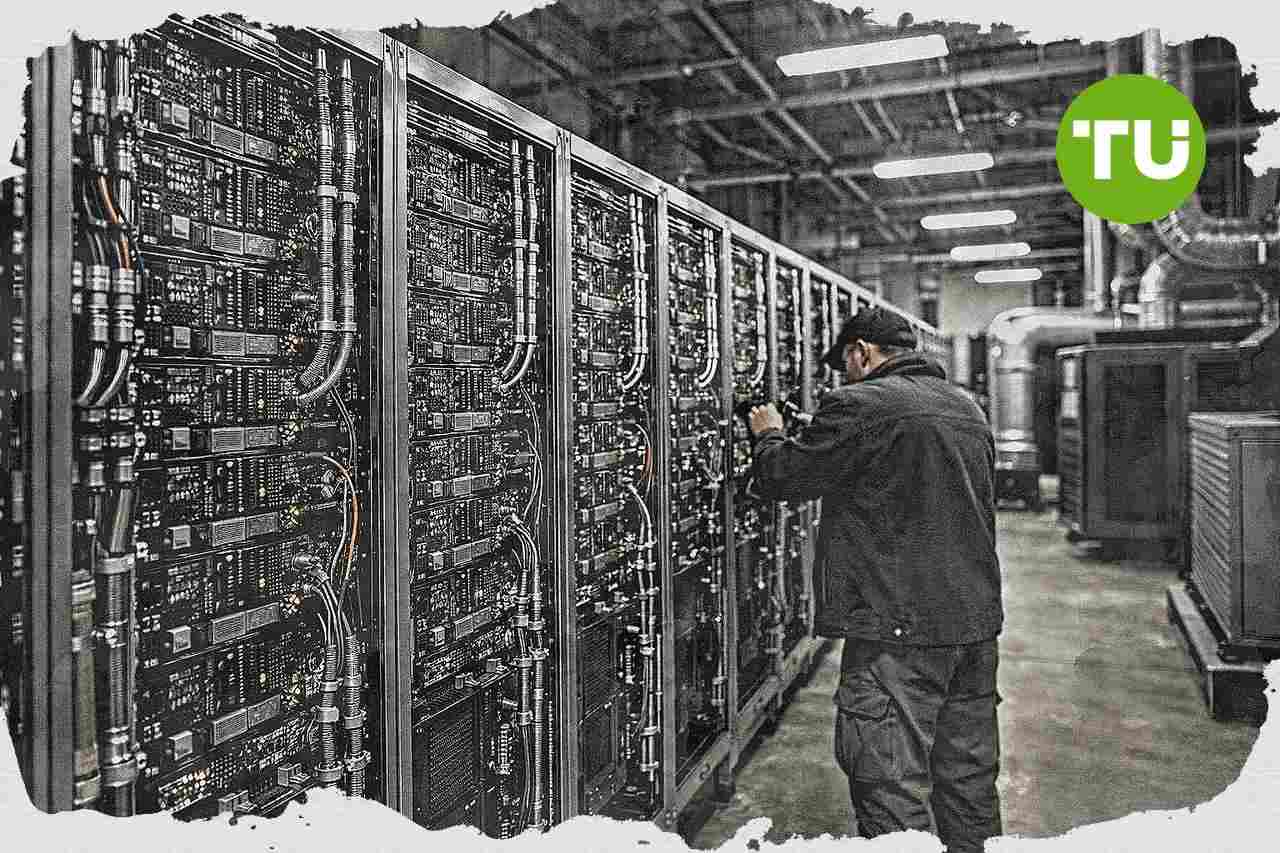
As second-quarter U.S. earnings season begins, investors are confronting a sharper divide over whether artificial intelligence spending can deliver the outsized returns embedded in stock prices. The split is becoming more consequential for markets because AI-related capital expenditure now represents an unusually large share of U.S. investment and is increasingly shaping sentiment across the technology sector.
Highlights
- Bank of America's survey shows 82% of fund managers consider AI the most crowded trade, while about half deny a bubble exists.
- Hyperscalers' $234 billion in capital expenditures this year has left their shares mostly flat as investors anticipate negative free cash flow.
- Compute capital expenditures hit a record share of GDP and tech investment is up 30% year-over-year, but related stocks face rising volatility.
AI spending debate sharpens before earnings
As reported by Reuters, conviction among both bullish and bearish investors is strengthening even as uncertainty over AI's long-term payoff grows. Wall Street research and Bank of America's latest fund manager survey reflect that tension, with a record 82% of respondents calling the AI trade the most crowded while about half still saying the market is not in a bubble.The optimistic case rests on the view that trillions of dollars in AI-related capital expenditure over coming years will drive growth, profits and productivity strongly enough to justify the sector's sharp stock market gains. Supporters also point to earnings from AI beneficiaries that have so far exceeded expectations, raising the threshold for further profit delivery.
Skeptics argue the economics are becoming harder to defend because the cost of the AI buildout is rising too far and too fast. They contend that hyperscalers are exhausting cash reserves and turning to debt and equity financing, while high computing costs could push demand toward cheaper open-source models, potentially including alternatives from China.
Market risks extend beyond chipmakers and hyperscalers
Bank of America strategists recently described what they called a generational transfer of free cash flow from hyperscalers to semiconductor companies. They said the “Magnificent Seven” hyperscalers have spent $234 billion in capital expenditure this year, while their shares have barely advanced as investors anticipate free cash flow turning negative for the first time in at least two decades.That dynamic leaves investors weighing whether current spending is a temporary wealth transfer that later produces broader AI profits, or a warning that returns will disappoint. Analysts at Carlyle say compute capital expenditure in the first half of the year accounts for a larger share of GDP than at any point in history, while overall technology-related investment is up 30% from a year earlier and other capital expenditure declines.
Signs of market unease are already visible in single-stock swings among major U.S. technology companies tied to the AI theme, including Intel, Qualcomm and Oracle. Noah Weisberger, head of equities at BCA Research, says clients are increasingly focused on that volatility, and South Korea's KOSPI offers a more extreme example, with three of its biggest declines since September 2008 all occurring this year amid sharp moves in AI-linked semiconductor stocks.
In our earlier article on Nvidia’s tightened AI chip sales rules in Asia, we outlined how a new compliance “white list” and added restrictions in hubs like Singapore, Malaysia, and Japan could narrow its addressable market and raise execution costs. We also noted that NVDA’s pullback and mixed technical signals pointed to elevated volatility and a near-term consolidation range as traders weighed these regulatory headwinds.


Latest CAPEX News





-
 Afghanistan
-
 Albania
-
 Algeria
-
 Angola
-
 Argentina
-
 Armenia
-
 Australia
-
 Austria
-
 Azerbaijan
-
 Bahamas
-
 Bahrain
-
 Bangladesh
-
 Belarus
-
 Belgium
-
 Bolivia
-
 Botswana
-
 Brazil
-
 Brunei
-
 Bulgaria
-
 Cambodia
-
 Cameroon
-
 Canada
-
 Chile
Chile
-
 China
China
-
 Colombia
-
 Congo
Congo
-
 Costa Rica
-
 Cote d'Ivoire
-
 Croatia
-
 Cuba
Cuba
-
 Cyprus
-
 Czechia
-
 DR Congo
-
 Denmark
-
 Dominican Republic
-
 Ecuador
-
 Egypt
Egypt
-
 El Salvador
-
 Estonia
-
 Eswatini
-
 Ethiopia
-
 Finland
-
 France
-
 Georgia
-
 Germany
-
 Ghana
Ghana
-
 Greece
-
 Haiti
Haiti
-
 Hong Kong
-
 Hungary
-
 India
India
-
 Indonesia
-
 Iran, Islamic republic
-
 Iraq
Iraq
-
 Ireland
-
 Israel
-
 Italy
Italy
-
 Jamaica
-
 Japan
Japan
-
 Jordan
-
 Kazakhstan
-
 Kenya
Kenya
-
 Korea
Korea
-
 Kuwait
-
 Kyrgyzstan
-
 Laos
Laos
-
 Latvia
-
 Lebanon
-
 Lesotho
-
 Libya
Libya
-
 Lithuania
-
 Luxembourg
-
 Madagascar
-
 Malaysia
-
 Malta
Malta
-
 Mauritius
-
 Mexico
-
 Moldova
-
 Mongolia
-
 Montenegro
-
 Morocco
-
 Mozambique
-
 Myanmar
-
 Namibia
-
 Nepal
Nepal
-
 Netherlands
-
 New Zealand
-
 Nigeria
-
 North Macedonia
-
 Norway
-
 Oman
Oman
-
 Pakistan
-
 Palestine
-
 Panama
-
 Papua New Guinea
-
 Paraguay
-
 Peru
Peru
-
 Philippines
-
 Poland
-
 Portugal
-
 Puerto Rico
-
 Qatar
Qatar
-
 Reunion
-
 Romania
-
 Rwanda
-
 Saudi Arabia
-
 Serbia
-
 Singapore
-
 Slovakia
-
 Slovenia
-
 Somalia
-
 South Africa
-
 Spain
Spain
-
 Sri Lanka
-
 Sweden
-
 Switzerland
-
 Syria
Syria
-
 Taiwan
-
 Tajikistan
-
 Tanzania
-
 Thailand
-
 Trinidad and Tobago
-
 Tunisia
-
 Turkey
-
 UAE
UAE
-
 Uganda
-
 Ukraine
-
 United Kingdom
-
United States
-
 Uruguay
-
 Uzbekistan
-
 Venezuela
-
 Vietnam
-
 Yemen
Yemen
-
 Zambia
-
 Zimbabwe
- Forex
- Crypto











