
U.S. House environment panel advances seven bills on recycling and industrial regulation
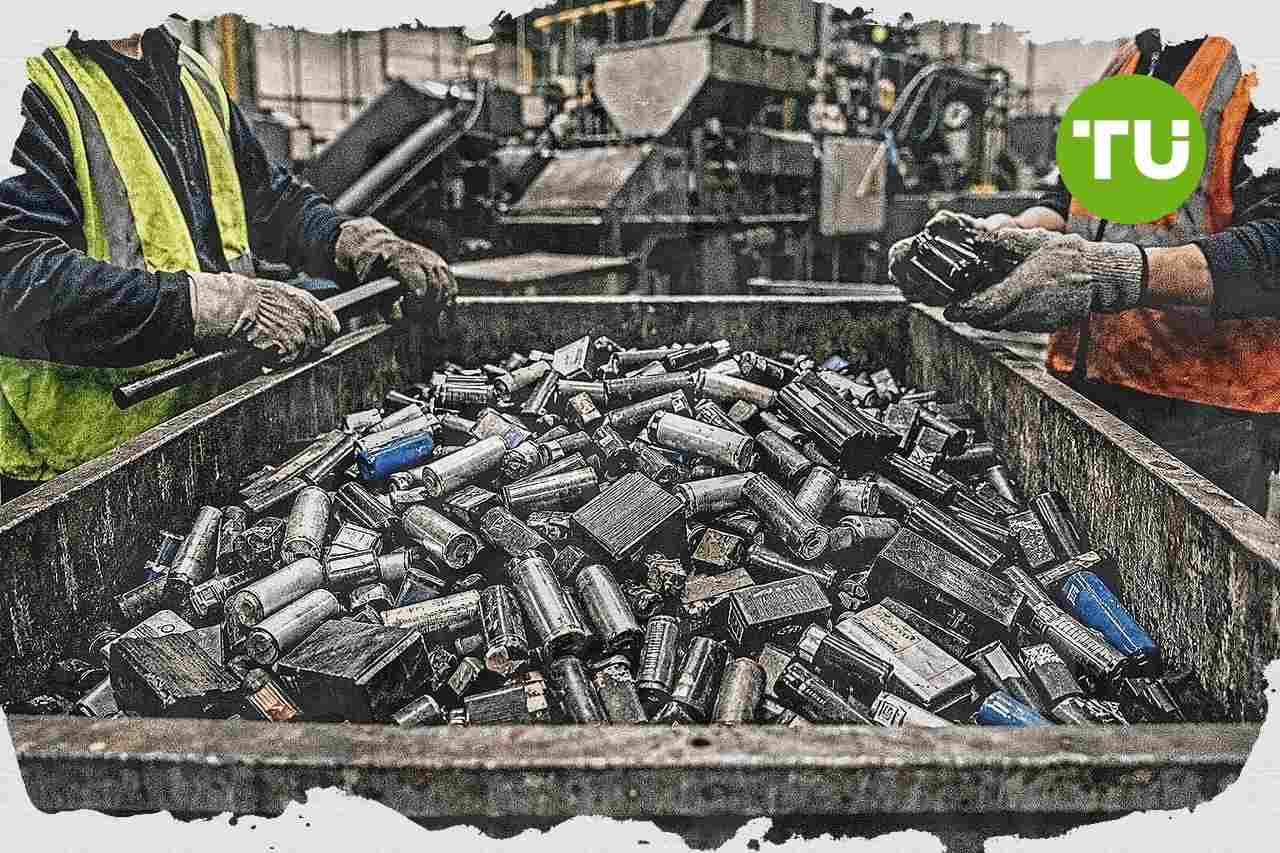
A U.S. House Energy and Commerce subcommittee is moving a package of measures aimed at easing certain regulatory burdens on companies while expanding support for domestic recycling and mineral recovery. The legislative push also targets supply chain resilience, with Republican lawmakers linking battery recycling and critical materials recovery to national security concerns.
Highlights
- The House Subcommittee on Environment forwarded seven bills—including those on diesel emissions, battery recycling, and mineral recovery—to the full Committee via voice vote.
- Chairman Gary Palmer described the bills as supporting critical mineral recovery from domestic sources to reduce U.S. reliance on China and improve national security.
- Lawmakers argue the legislative package addresses regulatory burdens in transport and manufacturing, amid rising U.S. demand for lithium-ion batteries and focus on domestic sourcing.
Committee action on recycling and transport bills
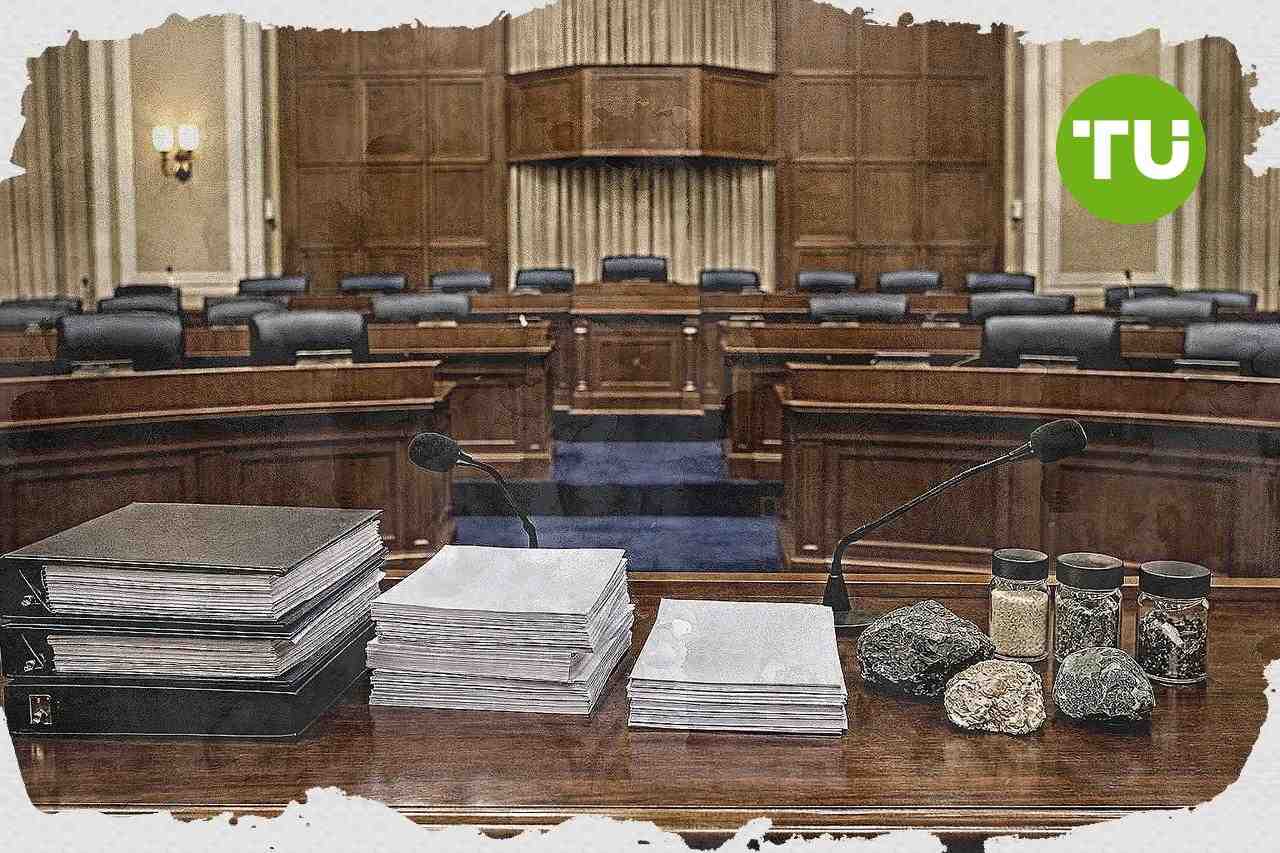
As reported by the Energy and Commerce Committee, the Subcommittee on Environment voted yesterday to forward seven bills to the full committee during a markup led by Chairman Gary Palmer of Alabama. The measures include proposals covering diesel emissions, rail and bus regulations, battery recycling, environmental monitoring technology, mineral recovery and diesel engine flexibility.H.R. 2140, the Diesel Emissions Reduction Act of 2025, H.R. 3194, the LOCOMOTIVES Act, H.R. 9317, the BUSES Act, H.R. 9616, the EMRTAI Act of 2026, and H.R. 9617, the CHARM Act, all move forward by voice vote. H.R. 9615, the BRACE Act, and H.R. 9618, the DEF Act, also advance by voice vote after amendment.
Palmer says the bills support recovery of critical minerals and materials from domestic sources. He frames the package as a step to reduce reliance on China in supply chains for critical minerals and to strengthen U.S. national security.
Industry implications for transport and materials supply
Several lawmakers present the legislation as a response to regulatory costs facing transport and manufacturing sectors. Congressman Nick Langworthy says bus operators need rules that reflect actual operating conditions rather than unnecessary obstacles, while Congressman Buddy Carter says the locomotive bill responds to California efforts to impose zero-emission locomotive mandates that he argues would raise freight costs.Congresswoman Mariannette Miller-Meeks says demand for lithium-ion batteries in the United States has grown rapidly in recent years, driven by energy storage systems, electric vehicles, communication devices and other consumer goods. That emphasis places battery recycling and mineral recovery at the center of a broader policy debate over industrial competitiveness, domestic sourcing and waste reduction.
Our earlier coverage of Barrick Gold (ABX) focused on the stock sliding under sustained technical selling pressure, with price action staying below key moving averages. We noted bearish momentum across multiple indicators, alongside emerging oversold conditions that could still produce short-term volatility around nearby support and resistance levels.


Latest Lithium News





-
 Afghanistan
-
 Albania
-
 Algeria
-
 Angola
-
 Argentina
-
 Armenia
-
 Australia
-
 Austria
-
 Azerbaijan
-
 Bahamas
-
 Bahrain
-
 Bangladesh
-
 Belarus
-
 Belgium
-
 Bolivia
-
 Botswana
-
 Brazil
-
 Brunei
-
 Bulgaria
-
 Cambodia
-
 Cameroon
-
 Canada
-
 Chile
Chile
-
 China
China
-
 Colombia
-
 Congo
Congo
-
 Costa Rica
-
 Cote d'Ivoire
-
 Croatia
-
 Cuba
Cuba
-
 Cyprus
-
 Czechia
-
 DR Congo
-
 Denmark
-
 Dominican Republic
-
 Ecuador
-
 Egypt
Egypt
-
 El Salvador
-
 Estonia
-
 Eswatini
-
 Ethiopia
-
 Finland
-
 France
-
 Georgia
-
 Germany
-
 Ghana
Ghana
-
 Greece
-
 Haiti
Haiti
-
 Hong Kong
-
 Hungary
-
 India
India
-
 Indonesia
-
 Iran, Islamic republic
-
 Iraq
Iraq
-
 Ireland
-
 Israel
-
 Italy
Italy
-
 Jamaica
-
 Japan
Japan
-
 Jordan
-
 Kazakhstan
-
 Kenya
Kenya
-
 Korea
Korea
-
 Kuwait
-
 Kyrgyzstan
-
 Laos
Laos
-
 Latvia
-
 Lebanon
-
 Lesotho
-
 Libya
Libya
-
 Lithuania
-
 Luxembourg
-
 Madagascar
-
 Malaysia
-
 Malta
Malta
-
 Mauritius
-
 Mexico
-
 Moldova
-
 Mongolia
-
 Montenegro
-
 Morocco
-
 Mozambique
-
 Myanmar
-
 Namibia
-
 Nepal
Nepal
-
 Netherlands
-
 New Zealand
-
 Nigeria
-
 North Macedonia
-
 Norway
-
 Oman
Oman
-
 Pakistan
-
 Palestine
-
 Panama
-
 Papua New Guinea
-
 Paraguay
-
 Peru
Peru
-
 Philippines
-
 Poland
-
 Portugal
-
 Puerto Rico
-
 Qatar
Qatar
-
 Reunion
-
 Romania
-
 Rwanda
-
 Saudi Arabia
-
 Serbia
-
 Singapore
-
 Slovakia
-
 Slovenia
-
 Somalia
-
 South Africa
-
 Spain
Spain
-
 Sri Lanka
-
 Sweden
-
 Switzerland
-
 Syria
Syria
-
 Taiwan
-
 Tajikistan
-
 Tanzania
-
 Thailand
-
 Trinidad and Tobago
-
 Tunisia
-
 Turkey
-
 UAE
UAE
-
 Uganda
-
 Ukraine
-
 United Kingdom
-
United States
-
 Uruguay
-
 Uzbekistan
-
 Venezuela
-
 Vietnam
-
 Yemen
Yemen
-
 Zambia
-
 Zimbabwe
- Forex
- Crypto











