House Foreign Affairs Committee pushes supply chain dependency hearing amid China risk focus
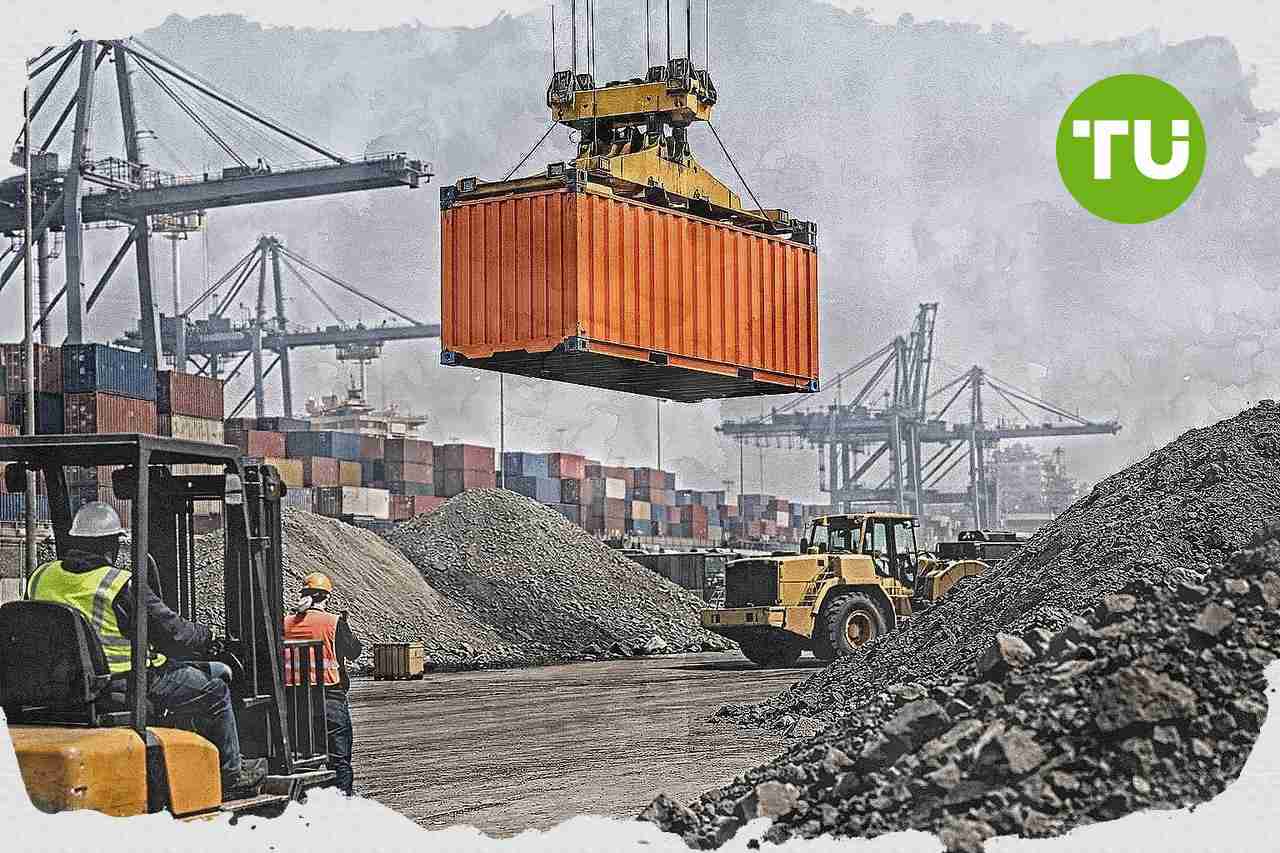
U.S. policymakers are sharpening their focus on reducing reliance on China for strategic materials, technology and infrastructure tied to economic and national security. A House Foreign Affairs Committee hearing highlights how financing, development and trade agencies are expected to support more secure supply chains in areas such as artificial intelligence and critical minerals.
Highlights
- Chairman Brian Mast states the House Foreign Affairs Committee is evaluating U.S. economic and development agencies’ capabilities to reduce supply chain dependence on China and adversaries.
- The committee emphasizes strategic urgency in securing supply chains for artificial intelligence components and critical minerals, due to China’s dominance in mining, processing and logistics.
- The House Foreign Affairs Committee has unanimously advanced the Bipartisan Dominance Act to align U.S. diplomacy and financing with secure energy and critical mineral supply chains.
Committee frames supply chain tools
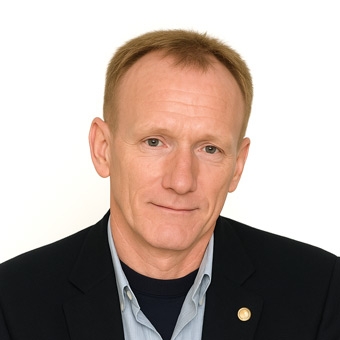
As reported by House Committee on Foreign Affairs, Chairman Brian Mast says the committee is examining how U.S. economic and development agencies can better align capital, partnerships and policy tools to reduce dependency on China and other adversaries.Mast says the U.S. International Development Finance Corporation, the U.S. Trade Development Agency and the Millennium Challenge Corporation each play distinct roles in that effort. He describes U.S. TDA as helping shape projects early, DFC as mobilizing capital and advancing investments, and MCC as building infrastructure and institutions that support those investments.
The hearing centers on the view that supply chain security is becoming a core part of strategic competition. Mast says the committee has spent this Congress working to reduce vulnerabilities in materials, technologies, energy and infrastructure that support the U.S. economy, military readiness and industrial operations.
AI and minerals drive strategic urgency
Mast says the stakes are especially high in artificial intelligence and critical minerals, arguing that AI leadership depends not only on software but also on chips, minerals, reliable energy, data centers, secure telecommunications and trusted technology.He also says critical minerals underpin weapons systems, advanced manufacturing, energy infrastructure and emerging technologies, making them a strategic pressure point if supply remains concentrated in China. In his remarks, Mast argues Beijing has spent decades building control over mining, processing, ports, logistics networks and technology platforms to gain leverage over the U.S. and its allies.
Mast links the committee's work to President Trump's agenda on energy dominance, secure mineral supply and stronger domestic industry. He says the House Foreign Affairs Committee has unanimously advanced the Bipartisan Dominance Act as part of a broader push to align American diplomacy, financing and partnerships around secure energy and critical mineral supply chains.
In our earlier report on a House Energy and Commerce subcommittee action, lawmakers advanced a package of bills aimed at easing certain regulatory burdens while boosting domestic battery recycling and critical mineral recovery. The measures were framed as a way to improve supply chain resilience and reduce U.S. dependence on China for key materials tied to national security.


Latest Supply Chain News





-
 Afghanistan
-
 Albania
-
 Algeria
-
 Angola
-
 Argentina
-
 Armenia
-
 Australia
-
 Austria
-
 Azerbaijan
-
 Bahamas
-
 Bahrain
-
 Bangladesh
-
 Belarus
-
 Belgium
-
 Bolivia
-
 Botswana
-
 Brazil
-
 Brunei
-
 Bulgaria
-
 Cambodia
-
 Cameroon
-
 Canada
-
 Chile
Chile
-
 China
China
-
 Colombia
-
 Congo
Congo
-
 Costa Rica
-
 Cote d'Ivoire
-
 Croatia
-
 Cuba
Cuba
-
 Cyprus
-
 Czechia
-
 DR Congo
-
 Denmark
-
 Dominican Republic
-
 Ecuador
-
 Egypt
Egypt
-
 El Salvador
-
 Estonia
-
 Eswatini
-
 Ethiopia
-
 Finland
-
 France
-
 Georgia
-
 Germany
-
 Ghana
Ghana
-
 Greece
-
 Haiti
Haiti
-
 Hong Kong
-
 Hungary
-
 India
India
-
 Indonesia
-
 Iran, Islamic republic
-
 Iraq
Iraq
-
 Ireland
-
 Israel
-
 Italy
Italy
-
 Jamaica
-
 Japan
Japan
-
 Jordan
-
 Kazakhstan
-
 Kenya
Kenya
-
 Korea
Korea
-
 Kuwait
-
 Kyrgyzstan
-
 Laos
Laos
-
 Latvia
-
 Lebanon
-
 Lesotho
-
 Libya
Libya
-
 Lithuania
-
 Luxembourg
-
 Madagascar
-
 Malaysia
-
 Malta
Malta
-
 Mauritius
-
 Mexico
-
 Moldova
-
 Mongolia
-
 Montenegro
-
 Morocco
-
 Mozambique
-
 Myanmar
-
 Namibia
-
 Nepal
Nepal
-
 Netherlands
-
 New Zealand
-
 Nigeria
-
 North Macedonia
-
 Norway
-
 Oman
Oman
-
 Pakistan
-
 Palestine
-
 Panama
-
 Papua New Guinea
-
 Paraguay
-
 Peru
Peru
-
 Philippines
-
 Poland
-
 Portugal
-
 Puerto Rico
-
 Qatar
Qatar
-
 Reunion
-
 Romania
-
 Rwanda
-
 Saudi Arabia
-
 Serbia
-
 Singapore
-
 Slovakia
-
 Slovenia
-
 Somalia
-
 South Africa
-
 Spain
Spain
-
 Sri Lanka
-
 Sweden
-
 Switzerland
-
 Syria
Syria
-
 Taiwan
-
 Tajikistan
-
 Tanzania
-
 Thailand
-
 Trinidad and Tobago
-
 Tunisia
-
 Turkey
-
 UAE
UAE
-
 Uganda
-
 Ukraine
-
 United Kingdom
-
United States
-
 Uruguay
-
 Uzbekistan
-
 Venezuela
-
 Vietnam
-
 Yemen
Yemen
-
 Zambia
-
 Zimbabwe
- Forex
- Crypto











