
Port of Los Angeles sets June cargo record as importers accelerate shipments
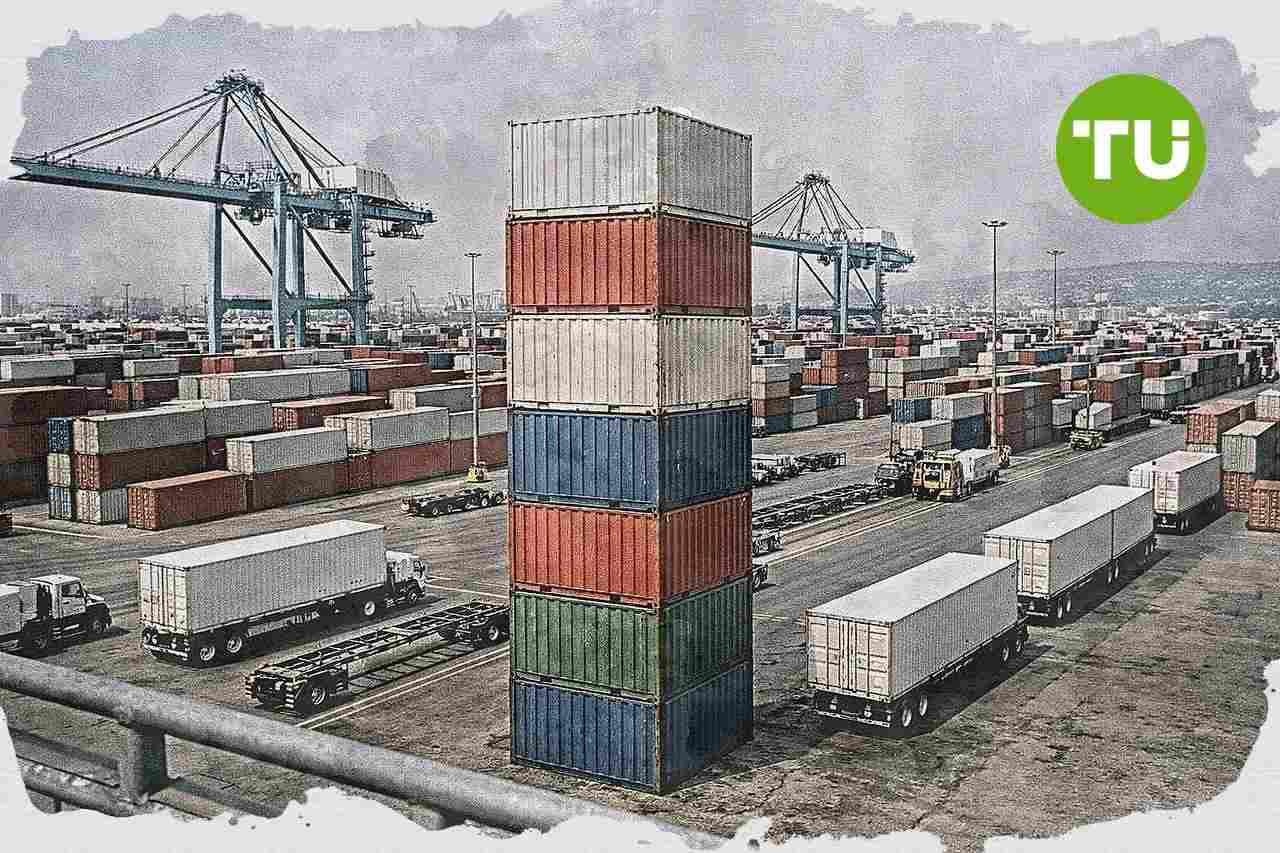
Rising shipping costs and impending U.S. tariffs are prompting importers to move goods earlier through major West Coast gateways. The Port of Los Angeles says June volume reaches a record for the month, underscoring stronger demand from retailers and data center-related supply chains.
Highlights
- Port of Los Angeles handles 1,002,734 TEUs in June, up 12% year-over-year, with imports rising 13% to 530,558 TEUs and exports up 0.2%.
- U.S. container imports climb 8.2% in June as importers accelerate shipments to avoid rising marine fuel costs and anticipated U.S. tariffs.
- Trump administration plans to implement new Section 301 tariffs this month after emergency tariffs were struck down, intensifying pressure on shipping costs and supply chains.
June throughput climbs on tariff and fuel concerns
As reported by Reuters, the Port of Los Angeles says it handles 1,002,734 20-foot equivalent units, or TEUs, in June, up 12% from June 2025 and marking the third time the 118-year-old port exceeds the 1 million TEU threshold. Executive director Gene Seroka says June imports rise 13% to 530,558 TEUs, while exports edge up 0.2% to 126,365, according to port data.Shippers ranging from retailers to data center builders are accelerating cargo movements to avoid higher marine fuel costs and new U.S. import tariffs. The adjacent Port of Long Beach also reports strong activity, saying it processes 779,331 TEUs in June, its third-busiest June on record, helped by an 11% increase in imports.
Broader trade disruption lifts pressure on U.S. ports
Across the market, U.S. container imports surge 8.2% in June from a year earlier, data from supply chain technology provider Descartes Systems Group show. The increase points to a wider rush by companies to secure inventory and inputs before transport costs and trade barriers rise further.The U.S.-Israeli war with Iran is disrupting shipping in the Middle East and beyond, adding pressure to global supply chains. Marine fuel costs have soared, and some retailers and manufacturers are concerned that key raw materials and factory goods could become scarce or too expensive to ship.
The administration of U.S. President Donald Trump plans this month to implement a new tariff strategy based on Section 301 of U.S. trade law, which authorizes investigations into unfair trade practices. The new duties are intended to help rebuild Trump's emergency tariffs after the U.S. Supreme Court struck them down in February.
In our earlier coverage of transportation producer-price inflation, we highlighted how freight transportation and related equipment costs rose 2.3% year over year in June 2026, adding to cost pressures across the logistics chain. The piece broke down steep increases by mode—especially trucking and water transport—and noted that transportation services made up a significant share of overall producer-service cost growth, underscoring why shippers remain sensitive to any new fuel or trade-driven cost shocks.


Latest Supply Chain News





-
 Afghanistan
-
 Albania
-
 Algeria
-
 Angola
-
 Argentina
-
 Armenia
-
 Australia
-
 Austria
-
 Azerbaijan
-
 Bahamas
-
 Bahrain
-
 Bangladesh
-
 Belarus
-
 Belgium
-
 Bolivia
-
 Botswana
-
 Brazil
-
 Brunei
-
 Bulgaria
-
 Cambodia
-
 Cameroon
-
 Canada
-
 Chile
Chile
-
 China
China
-
 Colombia
-
 Congo
Congo
-
 Costa Rica
-
 Cote d'Ivoire
-
 Croatia
-
 Cuba
Cuba
-
 Cyprus
-
 Czechia
-
 DR Congo
-
 Denmark
-
 Dominican Republic
-
 Ecuador
-
 Egypt
Egypt
-
 El Salvador
-
 Estonia
-
 Eswatini
-
 Ethiopia
-
 Finland
-
 France
-
 Georgia
-
 Germany
-
 Ghana
Ghana
-
 Greece
-
 Haiti
Haiti
-
 Hong Kong
-
 Hungary
-
 India
India
-
 Indonesia
-
 Iran, Islamic republic
-
 Iraq
Iraq
-
 Ireland
-
 Israel
-
 Italy
Italy
-
 Jamaica
-
 Japan
Japan
-
 Jordan
-
 Kazakhstan
-
 Kenya
Kenya
-
 Korea
Korea
-
 Kuwait
-
 Kyrgyzstan
-
 Laos
Laos
-
 Latvia
-
 Lebanon
-
 Lesotho
-
 Libya
Libya
-
 Lithuania
-
 Luxembourg
-
 Madagascar
-
 Malaysia
-
 Malta
Malta
-
 Mauritius
-
 Mexico
-
 Moldova
-
 Mongolia
-
 Montenegro
-
 Morocco
-
 Mozambique
-
 Myanmar
-
 Namibia
-
 Nepal
Nepal
-
 Netherlands
-
 New Zealand
-
 Nigeria
-
 North Macedonia
-
 Norway
-
 Oman
Oman
-
 Pakistan
-
 Palestine
-
 Panama
-
 Papua New Guinea
-
 Paraguay
-
 Peru
Peru
-
 Philippines
-
 Poland
-
 Portugal
-
 Puerto Rico
-
 Qatar
Qatar
-
 Reunion
-
 Romania
-
 Rwanda
-
 Saudi Arabia
-
 Serbia
-
 Singapore
-
 Slovakia
-
 Slovenia
-
 Somalia
-
 South Africa
-
 Spain
Spain
-
 Sri Lanka
-
 Sweden
-
 Switzerland
-
 Syria
Syria
-
 Taiwan
-
 Tajikistan
-
 Tanzania
-
 Thailand
-
 Trinidad and Tobago
-
 Tunisia
-
 Turkey
-
 UAE
UAE
-
 Uganda
-
 Ukraine
-
 United Kingdom
-
United States
-
 Uruguay
-
 Uzbekistan
-
 Venezuela
-
 Vietnam
-
 Yemen
Yemen
-
 Zambia
-
 Zimbabwe
- Forex
- Crypto











