
Energy IPO fundraising hits fastest pace this century as AI power demand drives investor interest
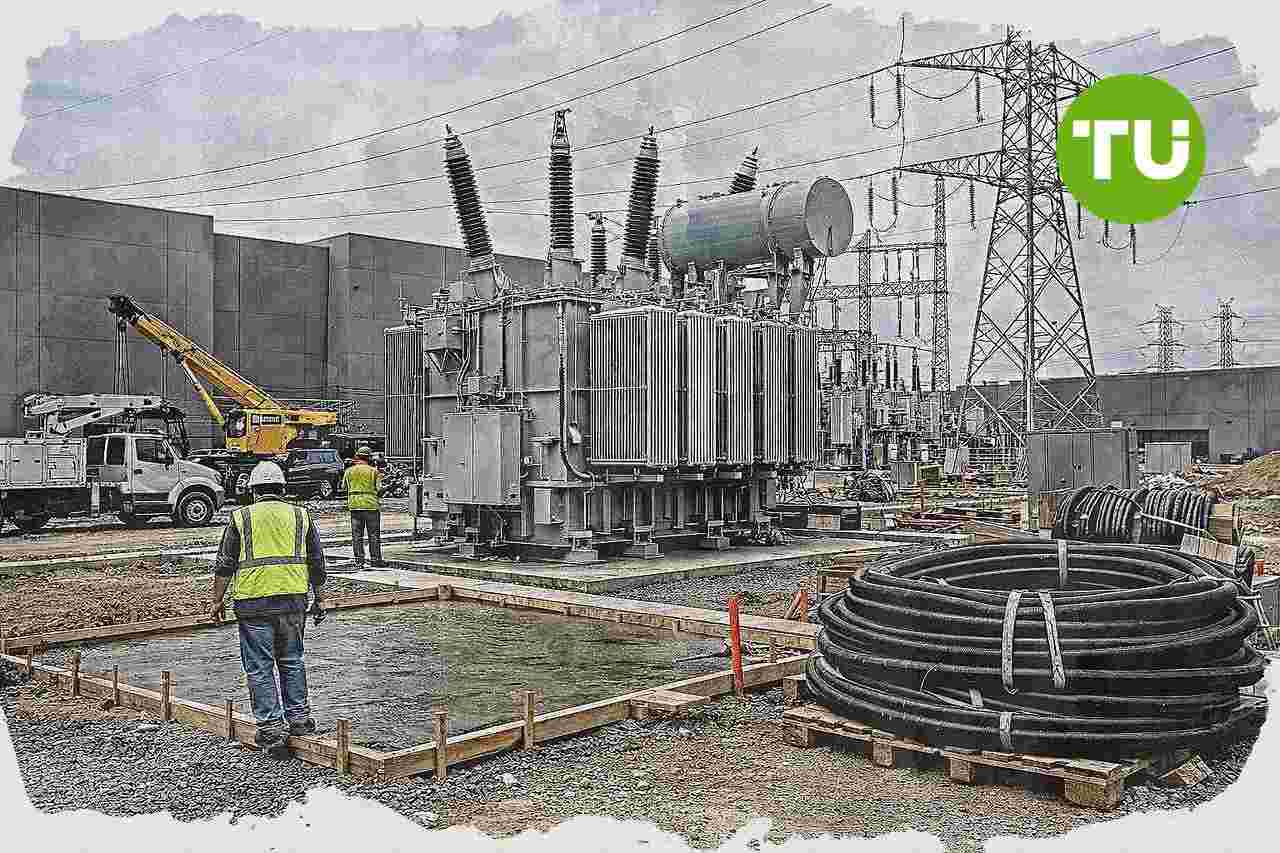
Rising power demand from AI data centres is pushing investors to back energy companies as a new way to gain exposure to the technology boom. Energy initial public offerings raise $12.6 billion in the first half of the year, outpacing 2025's full-year total and reaching the strongest half-year level since 1999.
Highlights
- Energy companies raised $12.6 billion via IPOs in the first half of 2024, the highest first-half total on record since 1999.
- Consultancy ICF projects U.S. electricity demand will rise 39% from 2026 to 2035, largely driven by AI data-centre consumption.
- New investment products like GMO's power infrastructure ETF and Standard Nuclear's upcoming U.S. IPO reflect investor shift towards power generation and grid capacity firms tied to AI demand.
AI infrastructure demand lifts energy listings
As reported by Financial Times, energy companies are tapping public markets at an unusually fast rate as investors look beyond chipmakers and into the infrastructure needed to support AI expansion.Dealogic data show energy firms raise $12.6 billion through IPOs in the first six months of the year. That is the highest first-half total on record and the strongest half-year showing since the peak of the dotcom bubble in late 1999.
The fundraising wave reflects concern that electricity supply is becoming a constraint on the broader AI investment cycle. Analysts say investors who first focused on stocks such as Nvidia are now shifting toward companies tied to power generation, grid capacity and electrification.
RBC clean energy analyst Chris Dendrinos says investors increasingly recognize that every AI chip requires energy to operate, creating a strong tailwind for these companies. Société Générale's head of U.S. equity strategy Manish Kabra also says power-capacity expansion, U.S. reshoring and AI-related infrastructure investment remain core strategic allocations.
Power bottlenecks reshape the investment case
A typical AI-focused data centre uses about 876,000 megawatt hours a year, roughly equal to household electricity demand in Glasgow or Salt Lake City. Consultancy ICF projects U.S. electricity demand will increase 39% between 2026 and 2035, largely because of rising data-centre consumption.The trend is also feeding new investment products and deal activity across the sector. GMO launches a power infrastructure ETF this week aimed at companies linked to power generation, the grid and electrification infrastructure, while energy group Standard Nuclear is expected to go public in the U.S. later in July.
Even as capital raising accelerates, the surge suggests investors are treating energy as a critical support trade for AI rather than a peripheral sector. That shift could broaden funding options for power-related businesses, although the summary of market performance indicates many newly listed stocks later struggle.
Our earlier article covered New York’s one-year pause on new hyperscale AI data center permits and how the move is intensifying debate over the costs and benefits of rapid data-center expansion. We noted that political and community pushback is raising permitting risk nationwide, potentially shifting projects and investment toward states with fewer barriers while keeping grid reliability, water use, and local opposition in focus.


Latest National Grid News





-
 Afghanistan
-
 Albania
-
 Algeria
-
 Angola
-
 Argentina
-
 Armenia
-
 Australia
-
 Austria
-
 Azerbaijan
-
 Bahamas
-
 Bahrain
-
 Bangladesh
-
 Belarus
-
 Belgium
-
 Bolivia
-
 Botswana
-
 Brazil
-
 Brunei
-
 Bulgaria
-
 Cambodia
-
 Cameroon
-
 Canada
-
 Chile
Chile
-
 China
China
-
 Colombia
-
 Congo
Congo
-
 Costa Rica
-
 Cote d'Ivoire
-
 Croatia
-
 Cuba
Cuba
-
 Cyprus
-
 Czechia
-
 DR Congo
-
 Denmark
-
 Dominican Republic
-
 Ecuador
-
 Egypt
Egypt
-
 El Salvador
-
 Estonia
-
 Eswatini
-
 Ethiopia
-
 Finland
-
 France
-
 Georgia
-
 Germany
-
 Ghana
Ghana
-
 Greece
-
 Haiti
Haiti
-
 Hong Kong
-
 Hungary
-
 India
India
-
 Indonesia
-
 Iran, Islamic republic
-
 Iraq
Iraq
-
 Ireland
-
 Israel
-
 Italy
Italy
-
 Jamaica
-
 Japan
Japan
-
 Jordan
-
 Kazakhstan
-
 Kenya
Kenya
-
 Korea
Korea
-
 Kuwait
-
 Kyrgyzstan
-
 Laos
Laos
-
 Latvia
-
 Lebanon
-
 Lesotho
-
 Libya
Libya
-
 Lithuania
-
 Luxembourg
-
 Madagascar
-
 Malaysia
-
 Malta
Malta
-
 Mauritius
-
 Mexico
-
 Moldova
-
 Mongolia
-
 Montenegro
-
 Morocco
-
 Mozambique
-
 Myanmar
-
 Namibia
-
 Nepal
Nepal
-
 Netherlands
-
 New Zealand
-
 Nigeria
-
 North Macedonia
-
 Norway
-
 Oman
Oman
-
 Pakistan
-
 Palestine
-
 Panama
-
 Papua New Guinea
-
 Paraguay
-
 Peru
Peru
-
 Philippines
-
 Poland
-
 Portugal
-
 Puerto Rico
-
 Qatar
Qatar
-
 Reunion
-
 Romania
-
 Rwanda
-
 Saudi Arabia
-
 Serbia
-
 Singapore
-
 Slovakia
-
 Slovenia
-
 Somalia
-
 South Africa
-
 Spain
Spain
-
 Sri Lanka
-
 Sweden
-
 Switzerland
-
 Syria
Syria
-
 Taiwan
-
 Tajikistan
-
 Tanzania
-
 Thailand
-
 Trinidad and Tobago
-
 Tunisia
-
 Turkey
-
 UAE
UAE
-
 Uganda
-
 Ukraine
-
 United Kingdom
-
United States
-
 Uruguay
-
 Uzbekistan
-
 Venezuela
-
 Vietnam
-
 Yemen
Yemen
-
 Zambia
-
 Zimbabwe
- Forex
- Crypto











