
U.S. tariff suspension on Moroccan fertilizer highlights trade role in supply resilience
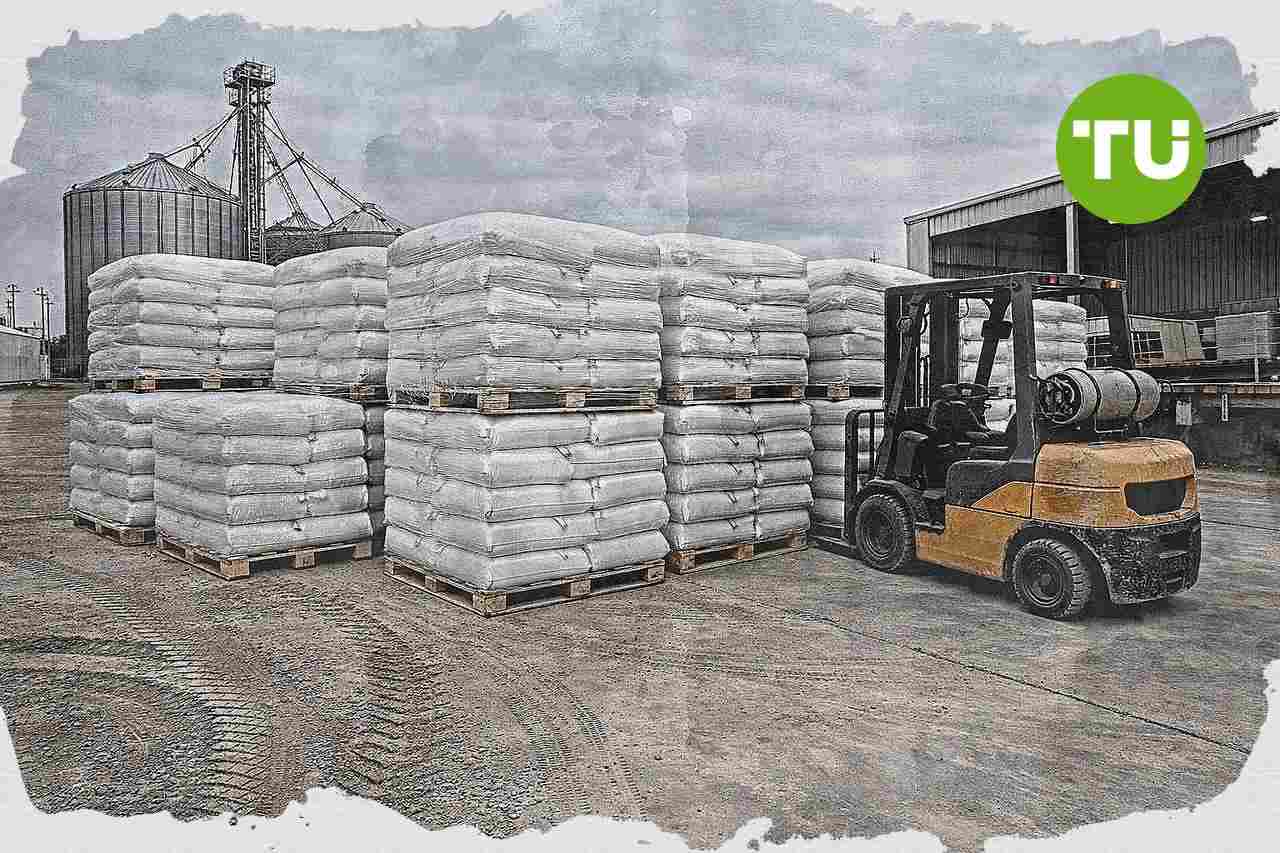
Washington is using tariff relief on Moroccan fertilizer to cushion a supply shock tied to Iran-related price pressures and to ease costs for U.S. farmers. The Department of Agriculture estimates the move lowers phosphate fertilizer prices by 22% and saves farmers more than $1.8 billion this year.
Highlights
- President Trump suspends U.S. tariffs on Moroccan fertilizer to address domestic supply threats and counter Iran-related farm input price increases.
- The tariff relief, announced ahead of the fall midterms, aims to mitigate inflation for farmers and consumers in a politically significant sector.
- Washington's move departs from its typical tariff-heavy policy, instead leveraging trade liberalization to stabilize fertilizer supply amid geopolitical tensions.
Tariff relief targets farm input costs
As reported by Bloomberg, President Donald Trump suspends U.S. tariffs on fertilizer from Morocco after declaring threats to domestic supplies a national emergency.The move is intended to help farmers and consumers facing Iran-related price increases. The administration frames the step as a way to blunt part of the inflationary impact linked to the broader conflict and to protect a politically important agricultural constituency ahead of the fall midterms.
Trade policy tests Washington's resilience approach
The fertilizer decision underscores how access to foreign supply can serve as a faster resilience tool than onshoring when domestic availability is under pressure. By removing duties on Moroccan imports, Washington is effectively leaning on freer trade to stabilize a key farm input market.In the article's analysis, the decision stands in contrast to the Trump administration's broader tariff-heavy posture. It presents the suspension as a narrow but notable example of trade liberalization being used to manage supply risk and contain costs during a period of geopolitical disruption.
In our earlier coverage of the U.S.-Iran escalation, we noted that oil prices dipped slightly as traders took profits after a sharp rally, even while a geopolitical risk premium stayed embedded in crude. The article highlighted the Strait of Hormuz as the key supply chokepoint, warning that any confirmed disruption to shipping or exports could quickly turn risk pricing into a broader inflationary shock.


Latest Supply Chain News






-
 Afghanistan
-
 Albania
-
 Algeria
-
 Angola
-
 Argentina
-
 Armenia
-
 Australia
-
 Austria
-
 Azerbaijan
-
 Bahamas
-
 Bahrain
-
 Bangladesh
-
 Belarus
-
 Belgium
-
 Bolivia
-
 Botswana
-
 Brazil
-
 Brunei
-
 Bulgaria
-
 Cambodia
-
 Cameroon
-
 Canada
-
 Chile
Chile
-
 China
China
-
 Colombia
-
 Congo
Congo
-
 Costa Rica
-
 Cote d'Ivoire
-
 Croatia
-
 Cuba
Cuba
-
 Cyprus
-
 Czechia
-
 DR Congo
-
 Denmark
-
 Dominican Republic
-
 Ecuador
-
 Egypt
Egypt
-
 El Salvador
-
 Estonia
-
 Eswatini
-
 Ethiopia
-
 Finland
-
 France
-
 Georgia
-
 Germany
-
 Ghana
Ghana
-
 Greece
-
 Haiti
Haiti
-
 Hong Kong
-
 Hungary
-
 India
India
-
 Indonesia
-
 Iran, Islamic republic
-
 Iraq
Iraq
-
 Ireland
-
 Israel
-
 Italy
Italy
-
 Jamaica
-
 Japan
Japan
-
 Jordan
-
 Kazakhstan
-
 Kenya
Kenya
-
 Korea
Korea
-
 Kuwait
-
 Kyrgyzstan
-
 Laos
Laos
-
 Latvia
-
 Lebanon
-
 Lesotho
-
 Libya
Libya
-
 Lithuania
-
 Luxembourg
-
 Madagascar
-
 Malaysia
-
 Malta
Malta
-
 Mauritius
-
 Mexico
-
 Moldova
-
 Mongolia
-
 Montenegro
-
 Morocco
-
 Mozambique
-
 Myanmar
-
 Namibia
-
 Nepal
Nepal
-
 Netherlands
-
 New Zealand
-
 Nigeria
-
 North Macedonia
-
 Norway
-
 Oman
Oman
-
 Pakistan
-
 Palestine
-
 Panama
-
 Papua New Guinea
-
 Paraguay
-
 Peru
Peru
-
 Philippines
-
 Poland
-
 Portugal
-
 Puerto Rico
-
 Qatar
Qatar
-
 Reunion
-
 Romania
-
 Rwanda
-
 Saudi Arabia
-
 Serbia
-
 Singapore
-
 Slovakia
-
 Slovenia
-
 Somalia
-
 South Africa
-
 Spain
Spain
-
 Sri Lanka
-
 Sweden
-
 Switzerland
-
 Syria
Syria
-
 Taiwan
-
 Tajikistan
-
 Tanzania
-
 Thailand
-
 Trinidad and Tobago
-
 Tunisia
-
 Turkey
-
 UAE
UAE
-
 Uganda
-
 Ukraine
-
 United Kingdom
-
United States
-
 Uruguay
-
 Uzbekistan
-
 Venezuela
-
 Vietnam
-
 Yemen
Yemen
-
 Zambia
-
 Zimbabwe
- Forex
- Crypto











