
UK government plans early policy push under Burnham premiership
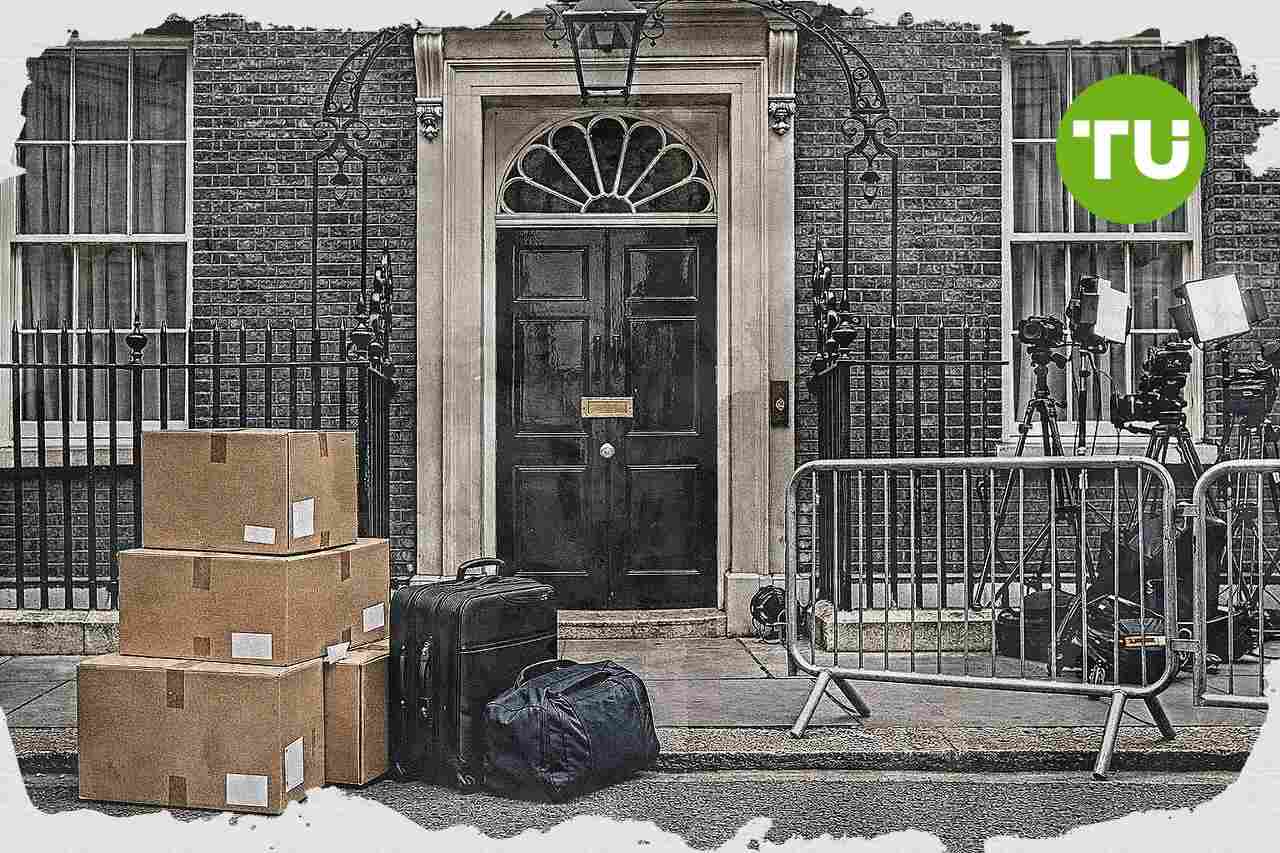
Britain is set for a rapid policy rollout as Andy Burnham prepares to enter Downing Street and begin shaping a new Labour administration. Early moves are expected to focus on living costs, North Sea energy, social care and devolution, areas that could quickly define the economic and regional priorities of his premiership.
Highlights
- Andy Burnham plans rapid policy rollout from next week, prioritizing 'good growth in every postcode' and a focus on cost-of-living measures.
- Burnham is expected to signal support for the North Sea oil and gas sector, with anticipated approvals for Jackdaw and potentially Rosebank fields pending legal processes.
- Whitehall prepares options for a free national care service costing up to 18 billion pounds annually, with devolution and potential control of Thames Water also on the early agenda.
Early agenda for Number 10
As first reported by Financial Times, people briefed on Burnham's plans say he is preparing a burst of announcements in his first days and weeks in office, with cabinet formation beginning when he enters Number 10 next Monday lunchtime. His allies say his Downing Street speech to the nation will outline core objectives, while a developing schedule of policy measures is taking shape across Whitehall.Burnham is formally due to begin the transition on Friday, when he is announced as the new Labour leader at a special conference in central London. The handover as prime minister takes place on Monday after Sir Keir Starmer tenders his resignation to King Charles, after which Burnham travels to Buckingham Palace to assume office.
Officials and allies say the incoming prime minister is also planning regional visits to underline his commitment to shifting power away from London. Burnham tells MPs this week that his priorities are "good growth in every postcode", more power for communities and putting the cost of living at the centre of government action.
Miatta Fahnbulleh, a former minister helping shape Burnham's economic plan, calls for steps to put money into voters' pockets immediately, highlighting pressure on housing, energy and transport costs. Burnham's team declines to comment on the plans described by people briefed on the discussions.
Energy, care and devolution in focus
One early signal is expected to come from Aberdeen, where Burnham plans a visit to stress the importance he attaches to the North Sea oil and gas industry. Although he has not said he would reverse Labour's 2024 manifesto ban on new exploration licences, he is expected to point to other routes for more drilling, including wider use of tiebacks near existing fields.The government also soon has to decide whether to approve the Jackdaw gasfield and Rosebank oilfield off Scotland after a court ruling leaves their consents in limbo. Officials expect Burnham to approve Jackdaw and possibly Rosebank, though a live quasi-judicial process may limit how quickly ministers can act.
Public service reform is another likely early battleground. The water industry is braced for possible plans to take control of heavily indebted Thames Water, while Whitehall officials are drawing up options for a free national care service that could cost up to 18 billion pounds a year after Burnham signals that social care is an urgent priority.
Civil servants at the Department of Health and Social Care are developing proposals for a free-at-the-point-of-use model based on the NHS. Burnham has also raised the possibility of a care levy to fund better support for the elderly, reviving ideas he backed before 2010, including compulsory insurance contributions or charges on estates.
Devolution is also expected to advance quickly, with Burnham's team discussing a package of powers for areas outside London, potentially including legislation. He is expected to confirm a new Number 10 North operation, with a senior civil servant due to be appointed to oversee it, while transport, skills, housing affordability and fiscal devolution are all seen as areas where his mayoral record could shape national policy.
Our earlier article on Canada’s Build Communities Strong Fund explained how Ottawa is expanding infrastructure spending to help fast-growing communities keep pace with demand. It highlighted up to C$26 million in federal funding for Surrey’s water, wastewater and stormwater upgrades—alongside C$39 million from the city—framing the program as a way to support housing supply while strengthening essential services and climate resilience.


Latest Natural Gas News







-
 Afghanistan
-
 Albania
-
 Algeria
-
 Angola
-
 Argentina
-
 Armenia
-
 Australia
-
 Austria
-
 Azerbaijan
-
 Bahamas
-
 Bahrain
-
 Bangladesh
-
 Belarus
-
 Belgium
-
 Bolivia
-
 Botswana
-
 Brazil
-
 Brunei
-
 Bulgaria
-
 Cambodia
-
 Cameroon
-
 Canada
-
 Chile
Chile
-
 China
China
-
 Colombia
-
 Congo
Congo
-
 Costa Rica
-
 Cote d'Ivoire
-
 Croatia
-
 Cuba
Cuba
-
 Cyprus
-
 Czechia
-
 DR Congo
-
 Denmark
-
 Dominican Republic
-
 Ecuador
-
 Egypt
Egypt
-
 El Salvador
-
 Estonia
-
 Eswatini
-
 Ethiopia
-
 Finland
-
 France
-
 Georgia
-
 Germany
-
 Ghana
Ghana
-
 Greece
-
 Haiti
Haiti
-
 Hong Kong
-
 Hungary
-
 India
India
-
 Indonesia
-
 Iran, Islamic republic
-
 Iraq
Iraq
-
 Ireland
-
 Israel
-
 Italy
Italy
-
 Jamaica
-
 Japan
Japan
-
 Jordan
-
 Kazakhstan
-
 Kenya
Kenya
-
 Korea
Korea
-
 Kuwait
-
 Kyrgyzstan
-
 Laos
Laos
-
 Latvia
-
 Lebanon
-
 Lesotho
-
 Libya
Libya
-
 Lithuania
-
 Luxembourg
-
 Madagascar
-
 Malaysia
-
 Malta
Malta
-
 Mauritius
-
 Mexico
-
 Moldova
-
 Mongolia
-
 Montenegro
-
 Morocco
-
 Mozambique
-
 Myanmar
-
 Namibia
-
 Nepal
Nepal
-
 Netherlands
-
 New Zealand
-
 Nigeria
-
 North Macedonia
-
 Norway
-
 Oman
Oman
-
 Pakistan
-
 Palestine
-
 Panama
-
 Papua New Guinea
-
 Paraguay
-
 Peru
Peru
-
 Philippines
-
 Poland
-
 Portugal
-
 Puerto Rico
-
 Qatar
Qatar
-
 Reunion
-
 Romania
-
 Rwanda
-
 Saudi Arabia
-
 Serbia
-
 Singapore
-
 Slovakia
-
 Slovenia
-
 Somalia
-
 South Africa
-
 Spain
Spain
-
 Sri Lanka
-
 Sweden
-
 Switzerland
-
 Syria
Syria
-
 Taiwan
-
 Tajikistan
-
 Tanzania
-
 Thailand
-
 Trinidad and Tobago
-
 Tunisia
-
 Turkey
-
 UAE
UAE
-
 Uganda
-
 Ukraine
-
 United Kingdom
-
United States
-
 Uruguay
-
 Uzbekistan
-
 Venezuela
-
 Vietnam
-
 Yemen
Yemen
-
 Zambia
-
 Zimbabwe
- Forex
- Crypto











