
U.S. cities show widening buy-versus-rent divide in housing affordability analysis
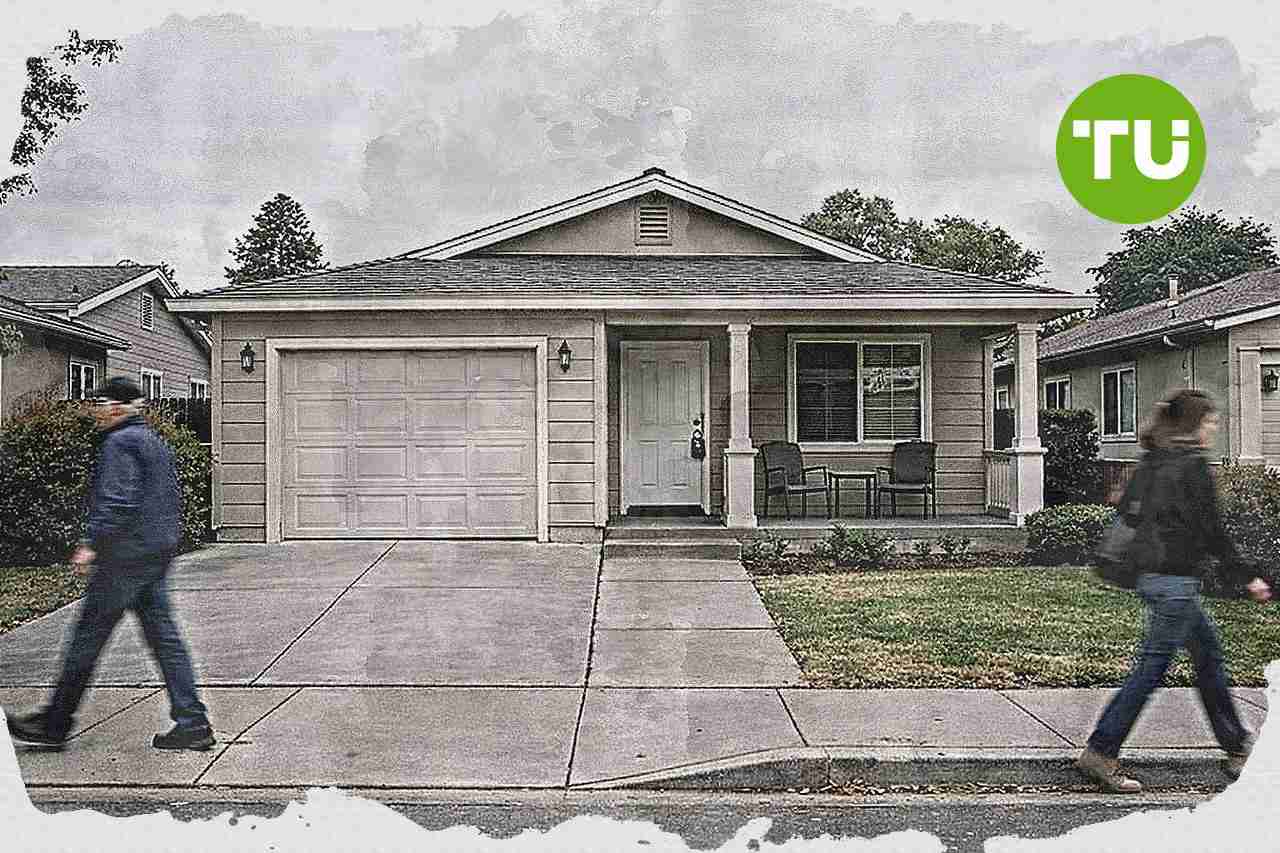
Housing costs across major U.S. cities continue to split sharply between markets that favor homebuyers and those where renting is financially safer. A Zumper analysis of 83 large cities uses price-to-rent ratios to show that high-profile expensive markets do not always offer the weakest case for buying.
Highlights
- San Jose, Anaheim, and Urban Honolulu top the list of U.S. cities where renting is financially favored, with price-to-rent ratios of 55.049, 47.829, and 36.717 respectively.
- Syracuse, Pittsburgh, and New York City are currently the most buy-favorable major U.S. markets, posting price-to-rent ratios of 12.611, 13.033, and 14.205.
- Migration trends, such as buyers moving to Boise from coastal areas during the pandemic, have driven local home prices above rental costs, widening the affordability gap.
City rankings highlight where ownership costs outstrip rents
As reported by Business Insider, rental platform Zumper compared homeownership costs and rents across 83 of the largest U.S. cities, using a price-to-rent ratio to identify where buying or renting makes more financial sense.The cities where renting looks more favorable are led by San Jose, California, with a price-to-rent ratio of 55.049, followed by Anaheim, California, at 47.829 and Urban Honolulu, Hawaii, at 36.717. Other markets on the rent-favorable list include Salt Lake City, Seattle, Portland, San Diego, Reno, San Francisco and Boise, where home prices remain well above local rental costs.
On the buy-favorable side, Syracuse, New York, ranks first with a price-to-rent ratio of 12.611, followed by Pittsburgh, Pennsylvania, at 13.033 and New York City at 14.205. Chicago, Charleston, Rochester, New Orleans, Virginia Beach, El Paso and Buffalo also appear in the top 10 markets where buying is more competitive relative to renting.
Migration trends and rent levels reshape affordability
Zumper market expert Crystal Chen says expensive housing markets do not automatically favor renters, pointing to New York City as an example where rents can rise enough to narrow the gap with mortgage costs. That means headline home prices alone do not determine whether a city is more attractive for buyers or renters.Chen also points to Boise, Idaho, as a market reshaped by pandemic-era migration, with buyers from coastal cities helping drive home prices higher. In that case, the jump in purchase prices creates a wider gap between owning and renting, making leasing significantly cheaper than buying.
Our earlier report on U.S. housing affordability tracked how higher home prices and borrowing costs pushed the income needed to qualify for a mortgage on a median-priced single-family home to $109,152, as affordability slipped for a fifth straight month in June. We also noted that while annual price growth has cooled and new housing-supply measures may help over time, any near-term relief for buyers is expected to be limited—keeping the affordability gap a central factor in the rent-versus-buy decision.


Latest Housing Market News







-
 Afghanistan
-
 Albania
-
 Algeria
-
 Angola
-
 Argentina
-
 Armenia
-
 Australia
-
 Austria
-
 Azerbaijan
-
 Bahamas
-
 Bahrain
-
 Bangladesh
-
 Belarus
-
 Belgium
-
 Bolivia
-
 Botswana
-
 Brazil
-
 Brunei
-
 Bulgaria
-
 Cambodia
-
 Cameroon
-
 Canada
-
 Chile
Chile
-
 China
China
-
 Colombia
-
 Congo
Congo
-
 Costa Rica
-
 Cote d'Ivoire
-
 Croatia
-
 Cuba
Cuba
-
 Cyprus
-
 Czechia
-
 DR Congo
-
 Denmark
-
 Dominican Republic
-
 Ecuador
-
 Egypt
Egypt
-
 El Salvador
-
 Estonia
-
 Eswatini
-
 Ethiopia
-
 Finland
-
 France
-
 Georgia
-
 Germany
-
 Ghana
Ghana
-
 Greece
-
 Haiti
Haiti
-
 Hong Kong
-
 Hungary
-
 India
India
-
 Indonesia
-
 Iran, Islamic republic
-
 Iraq
Iraq
-
 Ireland
-
 Israel
-
 Italy
Italy
-
 Jamaica
-
 Japan
Japan
-
 Jordan
-
 Kazakhstan
-
 Kenya
Kenya
-
 Korea
Korea
-
 Kuwait
-
 Kyrgyzstan
-
 Laos
Laos
-
 Latvia
-
 Lebanon
-
 Lesotho
-
 Libya
Libya
-
 Lithuania
-
 Luxembourg
-
 Madagascar
-
 Malaysia
-
 Malta
Malta
-
 Mauritius
-
 Mexico
-
 Moldova
-
 Mongolia
-
 Montenegro
-
 Morocco
-
 Mozambique
-
 Myanmar
-
 Namibia
-
 Nepal
Nepal
-
 Netherlands
-
 New Zealand
-
 Nigeria
-
 North Macedonia
-
 Norway
-
 Oman
Oman
-
 Pakistan
-
 Palestine
-
 Panama
-
 Papua New Guinea
-
 Paraguay
-
 Peru
Peru
-
 Philippines
-
 Poland
-
 Portugal
-
 Puerto Rico
-
 Qatar
Qatar
-
 Reunion
-
 Romania
-
 Rwanda
-
 Saudi Arabia
-
 Serbia
-
 Singapore
-
 Slovakia
-
 Slovenia
-
 Somalia
-
 South Africa
-
 Spain
Spain
-
 Sri Lanka
-
 Sweden
-
 Switzerland
-
 Syria
Syria
-
 Taiwan
-
 Tajikistan
-
 Tanzania
-
 Thailand
-
 Trinidad and Tobago
-
 Tunisia
-
 Turkey
-
 UAE
UAE
-
 Uganda
-
 Ukraine
-
 United Kingdom
-
United States
-
 Uruguay
-
 Uzbekistan
-
 Venezuela
-
 Vietnam
-
 Yemen
Yemen
-
 Zambia
-
 Zimbabwe
- Forex
- Crypto











