
Gibraltar expands land reclamation plans as Spain dispute persists after UK-EU treaty
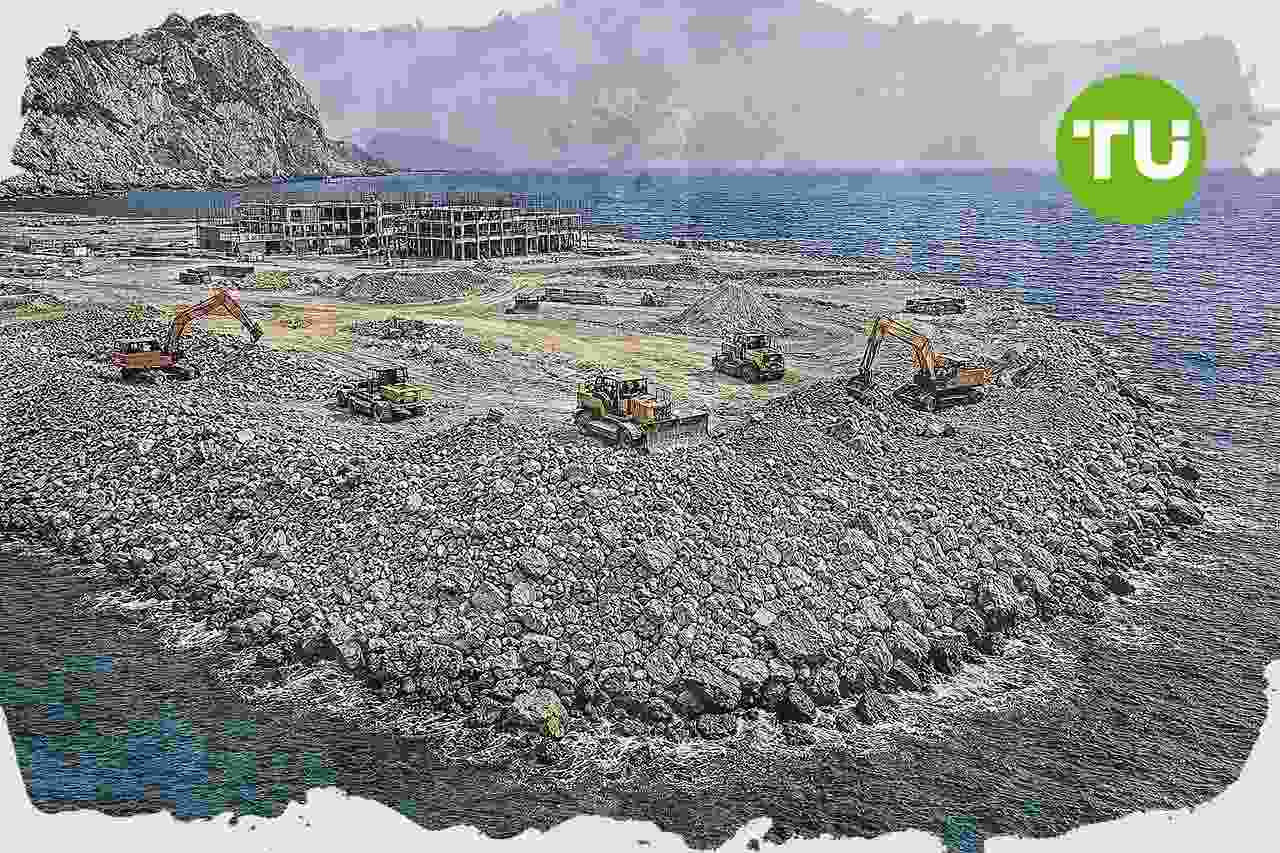
Gibraltar is pressing ahead with new land reclamation projects as it tries to ease housing pressure in one of Europe’s most space-constrained territories. The construction drive continues even after a new UK-EU treaty removes the physical border with Spain, while leaving the long-running sovereignty dispute unchanged.
Highlights
- Gibraltar is advancing a 10-hectare Eastside land reclamation scheme for 1,300 housing units, a hotel, and superyacht marina amid a population rise to 40,000.
- Gibraltar has increased its liveable land mass by nearly 50 percent in 40 years and is launching a new 5-hectare reclamation project in the Inner Harbour.
- A new post-Brexit UK-EU treaty integrates Gibraltar into the Schengen zone, removes land frontier passport checks for 15,000 Spanish cross-border workers, but leaves sovereignty and environmental enforcement disputes unresolved.
Housing expansion and reclamation plans
As reported by Financial Times, Gibraltar is accelerating construction into the Mediterranean to create more liveable space as its population rises and buildable land remains scarce. Chief minister Fabian Picardo says the territory has grown from 32,000 to 40,000 people and needs additional housing capacity because much of its small area consists of rock that cannot be developed.Picardo says Gibraltar has increased its liveable land mass by nearly 50 percent over the past 40 years. Work is under way on the 10-hectare Eastside scheme, where landfill rubble is forming the base for 1,300 housing units, along with a hotel and superyacht marina, and he is also pursuing a new 5-hectare reclamation project in the Inner Harbour.
Gibraltar maintains that it is free to continue reclaiming land as long as it complies with international environmental law. Picardo argues that Spanish objections carry political weight rather than legal force, even as Madrid formally protests the Eastside development and disputes UK claims over surrounding waters.
Sovereignty tensions and regional impact
The construction push adds to a centuries-old sovereignty dispute rooted in the 1713 Treaty of Utrecht, under which Spain ceded Gibraltar to Britain. Spain continues to describe Gibraltar as Europe’s last colony and also contests control over waters and the isthmus connecting the territory to Spain, where Gibraltar’s airport is located.This week’s warmer political mood follows the new post-Brexit UK-EU treaty, which removes gates and passport controls at the land frontier and allows smoother movement for 15,000 workers who cross daily from Spain into Gibraltar. The agreement effectively brings Gibraltar into the EU’s Schengen travel zone, although Spanish police are now due to carry out passport checks at Gibraltar airport.
Spanish officials insist the treaty does not weaken their sovereignty claim, while critics in Spain argue Madrid failed to use Brexit to alter the status quo. Environmental campaigners also say the agreement lacks a clear enforcement mechanism to ensure Gibraltar meets EU-equivalent standards during further reclamation work.
In our earlier article on New York City’s shortage of affordable senior housing, we described how limited supply is forcing older residents to compete for a small pool of subsidized apartments even as living costs stay high. We also outlined how projects like Linden Grove and the city’s funding plans aim to expand and preserve low-cost senior housing, but demand and eligibility rules still leave many residents facing uncertainty.


Latest Housing Market News






-
 Afghanistan
-
 Albania
-
 Algeria
-
 Angola
-
 Argentina
-
 Armenia
-
 Australia
-
 Austria
-
 Azerbaijan
-
 Bahamas
-
 Bahrain
-
 Bangladesh
-
 Belarus
-
 Belgium
-
 Bolivia
-
 Botswana
-
 Brazil
-
 Brunei
-
 Bulgaria
-
 Cambodia
-
 Cameroon
-
 Canada
-
 Chile
Chile
-
 China
China
-
 Colombia
-
 Congo
Congo
-
 Costa Rica
-
 Cote d'Ivoire
-
 Croatia
-
 Cuba
Cuba
-
 Cyprus
-
 Czechia
-
 DR Congo
-
 Denmark
-
 Dominican Republic
-
 Ecuador
-
 Egypt
Egypt
-
 El Salvador
-
 Estonia
-
 Eswatini
-
 Ethiopia
-
 Finland
-
 France
-
 Georgia
-
 Germany
-
 Ghana
Ghana
-
 Greece
-
 Haiti
Haiti
-
 Hong Kong
-
 Hungary
-
 India
India
-
 Indonesia
-
 Iran, Islamic republic
-
 Iraq
Iraq
-
 Ireland
-
 Israel
-
 Italy
Italy
-
 Jamaica
-
 Japan
Japan
-
 Jordan
-
 Kazakhstan
-
 Kenya
Kenya
-
 Korea
Korea
-
 Kuwait
-
 Kyrgyzstan
-
 Laos
Laos
-
 Latvia
-
 Lebanon
-
 Lesotho
-
 Libya
Libya
-
 Lithuania
-
 Luxembourg
-
 Madagascar
-
 Malaysia
-
 Malta
Malta
-
 Mauritius
-
 Mexico
-
 Moldova
-
 Mongolia
-
 Montenegro
-
 Morocco
-
 Mozambique
-
 Myanmar
-
 Namibia
-
 Nepal
Nepal
-
 Netherlands
-
 New Zealand
-
 Nigeria
-
 North Macedonia
-
 Norway
-
 Oman
Oman
-
 Pakistan
-
 Palestine
-
 Panama
-
 Papua New Guinea
-
 Paraguay
-
 Peru
Peru
-
 Philippines
-
 Poland
-
 Portugal
-
 Puerto Rico
-
 Qatar
Qatar
-
 Reunion
-
 Romania
-
 Rwanda
-
 Saudi Arabia
-
 Serbia
-
 Singapore
-
 Slovakia
-
 Slovenia
-
 Somalia
-
 South Africa
-
 Spain
Spain
-
 Sri Lanka
-
 Sweden
-
 Switzerland
-
 Syria
Syria
-
 Taiwan
-
 Tajikistan
-
 Tanzania
-
 Thailand
-
 Trinidad and Tobago
-
 Tunisia
-
 Turkey
-
 UAE
UAE
-
 Uganda
-
 Ukraine
-
 United Kingdom
-
United States
-
 Uruguay
-
 Uzbekistan
-
 Venezuela
-
 Vietnam
-
 Yemen
Yemen
-
 Zambia
-
 Zimbabwe
- Forex
- Crypto











