
Maricopa County settlement offers election administration model amid U.S. trust concerns
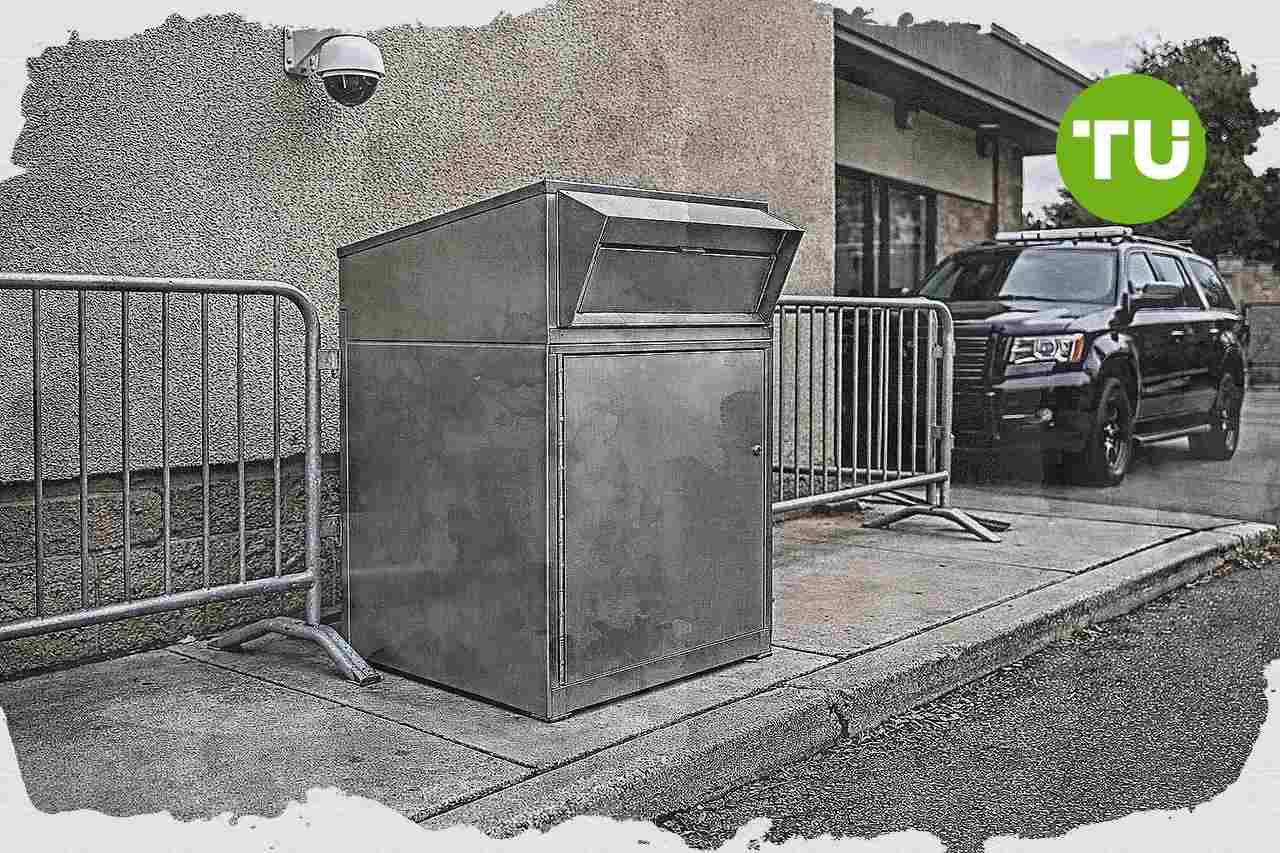
Persistent doubts about U.S. election integrity continue to shape public debate even as claims of widespread fraud remain unproven. The discussion gains weight as polling data show large partisan gaps in beliefs about the 2020 vote and concerns over mail-in ballots and non-citizen voting.
Highlights
- A Reuters/Ipsos poll reports nearly half of Americans believe many non-citizens vote and over half fear fraudulent mail-in ballots.
- Sixty-three percent of Republicans, 21% of independents, and 9% of Democrats still believe the 2020 election was stolen from Trump.
- Gallup data shows a 20-year trend of declining public confidence in election accuracy, reflecting broad institutional trust risks for the U.S.
Public distrust frames election debate
As reported by Bloomberg, President Donald Trump in a prime-time address last week again does not prove that he won the 2020 election, that ballots were altered or that voting machines were compromised.The lack of evidence is unlikely to prevent millions of Americans from continuing to believe election fraud is real. That dynamic keeps pressure on election officials and local governments as they manage voting systems under intense political scrutiny.
Polling signals broader institutional risk
Gallup has been tracking growing distrust in the accuracy of elections for the past 20 years, pointing to a long-running erosion in public confidence rather than a short-lived dispute.More recently, a Reuters/Ipsos poll finds that nearly half of Americans believe lots of non-citizens vote, while more than half worry about fraudulent mail-in ballots. The same polling shows 63% of Republicans, 21% of independents and 9% of Democrats still believe the 2020 election was stolen from Trump, underscoring the scale of mistrust facing U.S. election administration.
Our earlier article on the Justice Department’s subpoenas to major U.S. law firms covered how the DOJ sought internal records and senior testimony tied to settlement talks over Trump-era executive orders. We noted that firms that reached deals—often involving large pro bono commitments and changes to diversity programs—could face greater exposure than those that challenged the orders in court, as the legal sector weighed reputational and client pressure.









-
 Afghanistan
-
 Albania
-
 Algeria
-
 Angola
-
 Argentina
-
 Armenia
-
 Australia
-
 Austria
-
 Azerbaijan
-
 Bahamas
-
 Bahrain
-
 Bangladesh
-
 Belarus
-
 Belgium
-
 Bolivia
-
 Botswana
-
 Brazil
-
 Brunei
-
 Bulgaria
-
 Cambodia
-
 Cameroon
-
 Canada
-
 Chile
Chile
-
 China
China
-
 Colombia
-
 Congo
Congo
-
 Costa Rica
-
 Cote d'Ivoire
-
 Croatia
-
 Cuba
Cuba
-
 Cyprus
-
 Czechia
-
 DR Congo
-
 Denmark
-
 Dominican Republic
-
 Ecuador
-
 Egypt
Egypt
-
 El Salvador
-
 Estonia
-
 Eswatini
-
 Ethiopia
-
 Finland
-
 France
-
 Georgia
-
 Germany
-
 Ghana
Ghana
-
 Greece
-
 Haiti
Haiti
-
 Hong Kong
-
 Hungary
-
 India
India
-
 Indonesia
-
 Iran, Islamic republic
-
 Iraq
Iraq
-
 Ireland
-
 Israel
-
 Italy
Italy
-
 Jamaica
-
 Japan
Japan
-
 Jordan
-
 Kazakhstan
-
 Kenya
Kenya
-
 Korea
Korea
-
 Kuwait
-
 Kyrgyzstan
-
 Laos
Laos
-
 Latvia
-
 Lebanon
-
 Lesotho
-
 Libya
Libya
-
 Lithuania
-
 Luxembourg
-
 Madagascar
-
 Malaysia
-
 Malta
Malta
-
 Mauritius
-
 Mexico
-
 Moldova
-
 Mongolia
-
 Montenegro
-
 Morocco
-
 Mozambique
-
 Myanmar
-
 Namibia
-
 Nepal
Nepal
-
 Netherlands
-
 New Zealand
-
 Nigeria
-
 North Macedonia
-
 Norway
-
 Oman
Oman
-
 Pakistan
-
 Palestine
-
 Panama
-
 Papua New Guinea
-
 Paraguay
-
 Peru
Peru
-
 Philippines
-
 Poland
-
 Portugal
-
 Puerto Rico
-
 Qatar
Qatar
-
 Reunion
-
 Romania
-
 Rwanda
-
 Saudi Arabia
-
 Serbia
-
 Singapore
-
 Slovakia
-
 Slovenia
-
 Somalia
-
 South Africa
-
 Spain
Spain
-
 Sri Lanka
-
 Sweden
-
 Switzerland
-
 Syria
Syria
-
 Taiwan
-
 Tajikistan
-
 Tanzania
-
 Thailand
-
 Trinidad and Tobago
-
 Tunisia
-
 Turkey
-
 UAE
UAE
-
 Uganda
-
 Ukraine
-
 United Kingdom
-
United States
-
 Uruguay
-
 Uzbekistan
-
 Venezuela
-
 Vietnam
-
 Yemen
Yemen
-
 Zambia
-
 Zimbabwe
- Forex
- Crypto











