
TSMC accelerates Arizona expansion as AI demand drives U.S. chip investment
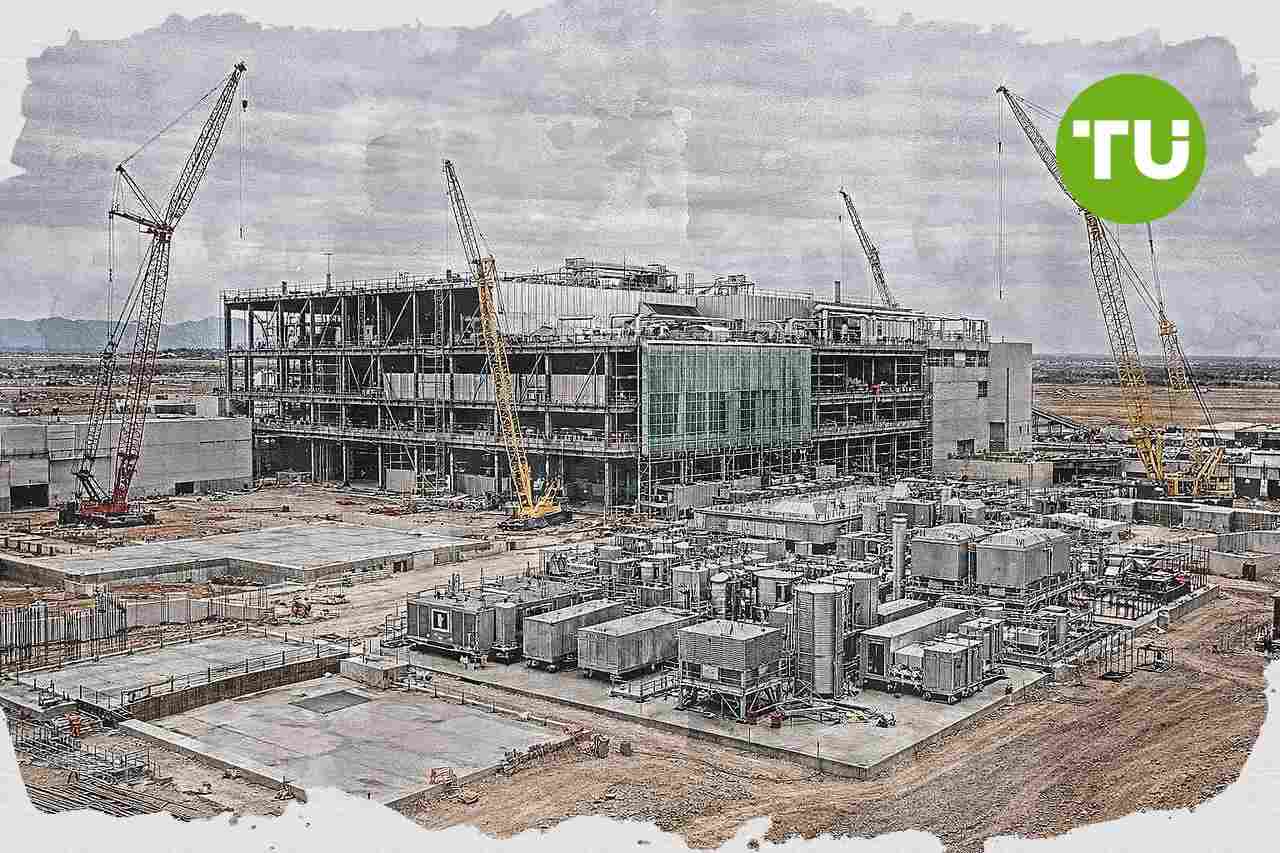
Amid sustained demand for advanced chips, TSMC is speeding up its Arizona manufacturing buildout and adding $100 billion to the project. The new commitment lifts its planned investment in the state to $265 billion and comes as the company increases its full-year capital expenditure forecast to $60 billion to $64 billion.
Highlights
- TSMC accelerates its Arizona expansion with an additional $100 billion investment to address multi-year AI-driven U.S. demand, supported by government incentives.
- Company rapidly converts 5-nanometer capacity to 3-nanometer production, launches 4-nanometer operations, and sees 2-nanometer technology emerging as a Q3 revenue driver.
- U.S. fabs cost up to five times more than Taiwan, near-term earnings are diluted, but TSMC's stock remains up 48% year to date despite Friday's 7% drop.
Arizona buildout expands with AI-led demand
As reported by CNBC, TSMC Chief Financial Officer Wendell Huang says the company is accelerating capacity expansion in Arizona to capture what he describes as a multi-year structural demand trend from customers, particularly around artificial intelligence. He says strong customer demand in the U.S. market and government support are behind the latest investment push.The chipmaker, formally known as Taiwan Semiconductor Manufacturing Co., says the additional $100 billion will support a broader U.S. manufacturing footprint, including front-end wafer fabrication plants and back-end advanced packaging facilities. Huang says TSMC is also optimizing leading-edge production by rapidly converting 5-nanometer capacity to the more advanced 3-nanometer node to meet customer needs.
In Arizona, phase one using 4-nanometer technology is already operating, Huang says. He adds that 2-nanometer technology is emerging as the company’s newest revenue driver heading into the third quarter after first contributing revenue in the second quarter.
Higher costs, market pressure and strategic expansion
Huang says building fabrication plants in the U.S. costs four to five times more than in Taiwan, and that early dilution from overseas expansion is likely to widen as operations scale up. Even so, he says the investment should help strengthen the broader U.S. semiconductor ecosystem over time.TSMC shares close more than 1% higher after the company posts earnings, although the stock falls 7% on Friday and remains up about 48% year to date. Huang says the company cannot control financial markets and is instead focused on business fundamentals, adding that rising component prices have limited effect because of TSMC’s concentration on the high-end market.
On regulation, Huang says TSMC continues to comply with export controls while serving customers in China, which account for about 8% of total revenue. He also points to future growth areas, including physical AI and specialty technologies, citing the company’s joint venture with Sony in image sensors as part of its longer-term customer support strategy.
Our earlier coverage of the AI-driven investor rotation described how capital was shifting within the AI trade, pressuring several semiconductor names while benefiting hyperscalers and selected hardware and cybersecurity plays. We also noted that, despite the broader AI theme remaining intact, concerns about the rising cost of AI infrastructure, valuations, and geopolitical risks were amplifying market volatility and influencing how investors positioned across tech subsectors.









-
 Afghanistan
-
 Albania
-
 Algeria
-
 Angola
-
 Argentina
-
 Armenia
-
 Australia
-
 Austria
-
 Azerbaijan
-
 Bahamas
-
 Bahrain
-
 Bangladesh
-
 Belarus
-
 Belgium
-
 Bolivia
-
 Botswana
-
 Brazil
-
 Brunei
-
 Bulgaria
-
 Cambodia
-
 Cameroon
-
 Canada
-
 Chile
Chile
-
 China
China
-
 Colombia
-
 Congo
Congo
-
 Costa Rica
-
 Cote d'Ivoire
-
 Croatia
-
 Cuba
Cuba
-
 Cyprus
-
 Czechia
-
 DR Congo
-
 Denmark
-
 Dominican Republic
-
 Ecuador
-
 Egypt
Egypt
-
 El Salvador
-
 Estonia
-
 Eswatini
-
 Ethiopia
-
 Finland
-
 France
-
 Georgia
-
 Germany
-
 Ghana
Ghana
-
 Greece
-
 Haiti
Haiti
-
 Hong Kong
-
 Hungary
-
 India
India
-
 Indonesia
-
 Iran, Islamic republic
-
 Iraq
Iraq
-
 Ireland
-
 Israel
-
 Italy
Italy
-
 Jamaica
-
 Japan
Japan
-
 Jordan
-
 Kazakhstan
-
 Kenya
Kenya
-
 Korea
Korea
-
 Kuwait
-
 Kyrgyzstan
-
 Laos
Laos
-
 Latvia
-
 Lebanon
-
 Lesotho
-
 Libya
Libya
-
 Lithuania
-
 Luxembourg
-
 Madagascar
-
 Malaysia
-
 Malta
Malta
-
 Mauritius
-
 Mexico
-
 Moldova
-
 Mongolia
-
 Montenegro
-
 Morocco
-
 Mozambique
-
 Myanmar
-
 Namibia
-
 Nepal
Nepal
-
 Netherlands
-
 New Zealand
-
 Nigeria
-
 North Macedonia
-
 Norway
-
 Oman
Oman
-
 Pakistan
-
 Palestine
-
 Panama
-
 Papua New Guinea
-
 Paraguay
-
 Peru
Peru
-
 Philippines
-
 Poland
-
 Portugal
-
 Puerto Rico
-
 Qatar
Qatar
-
 Reunion
-
 Romania
-
 Rwanda
-
 Saudi Arabia
-
 Serbia
-
 Singapore
-
 Slovakia
-
 Slovenia
-
 Somalia
-
 South Africa
-
 Spain
Spain
-
 Sri Lanka
-
 Sweden
-
 Switzerland
-
 Syria
Syria
-
 Taiwan
-
 Tajikistan
-
 Tanzania
-
 Thailand
-
 Trinidad and Tobago
-
 Tunisia
-
 Turkey
-
 UAE
UAE
-
 Uganda
-
 Ukraine
-
 United Kingdom
-
United States
-
 Uruguay
-
 Uzbekistan
-
 Venezuela
-
 Vietnam
-
 Yemen
Yemen
-
 Zambia
-
 Zimbabwe
- Forex
- Crypto











