

Boeing keeps Air Force One delivery target for 2028 as program costs rise
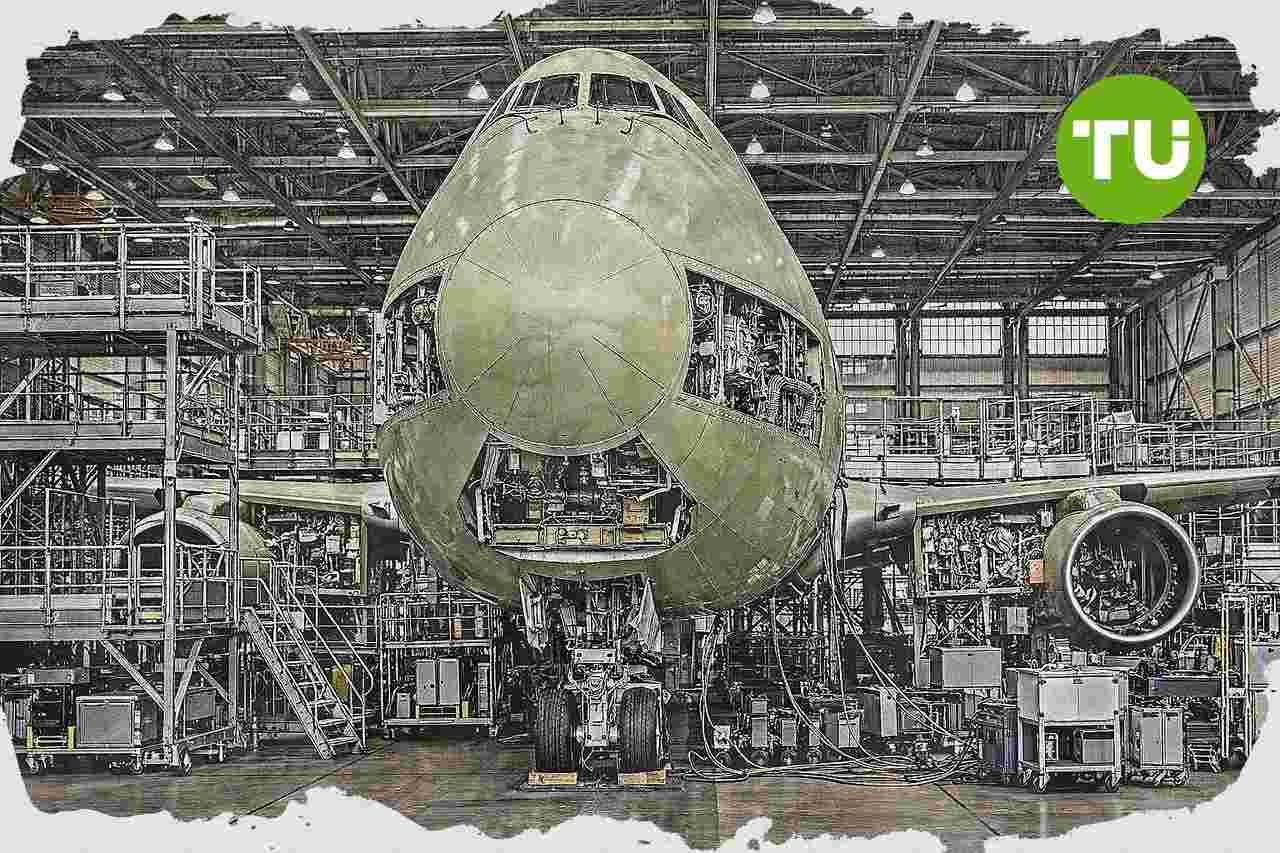
Boeing says it is still aiming to deliver two new Air Force One jets in 2028 despite years of delays and mounting cost overruns. The program, originally awarded at $3.9 billion in 2018, now exceeds $5 billion and would still be four years behind schedule even if the latest target is met.
Highlights
- Boeing reaffirms Air Force One replacement delivery target for 2028 despite rising program costs now exceeding $5 billion, up from the original $3.9 billion contract.
- CEO Steve Parker warns of further cost increases as Boeing completes wiring, structures, and certification work, with aircraft testing starting next year.
- The program remains four years behind schedule, prompting the temporary use of a Qatari Boeing 747 accepted by the US in May 2025 as a bridge aircraft.
Delivery timeline and program spending
As reported by Reuters, Boeing says the Air Force One replacement program remains on course for 2028, but reaching that goal requires further spending as work continues on wiring, structures and certification.Steve Parker, CEO of Defense, Space & Security, tells reporters ahead of the Farnborough Airshow in the UK that the first aircraft is expected to begin testing next year. He says he expects additional cost growth as Boeing completes the final stages of the aircraft build and its own certification work.
The company won the contract in 2018 to build the two aircraft for $3.9 billion, but total costs have since risen to more than $5 billion. The project involves converting two Boeing 747-8 aircraft into highly specialized presidential jets fitted with advanced communications and defensive systems.
Operational impact and interim aircraft use
The replacement aircraft are intended to succeed the current Air Force One planes, which entered service in 1990. Even with delivery in 2028, the program still runs four years behind schedule, underscoring continuing execution pressure on Boeing's defense business.In May 2025, the United States accepted a luxury Boeing 747 from Qatar for use as a temporary presidential aircraft, and the jet has since entered service as a bridge aircraft. Security concerns later lead President Donald Trump to avoid flying the Qatari aircraft home from Turkey, choosing instead to return on an older Air Force One.
American Airlines’ push to grow premium revenue detailed how the carrier plans to narrow its profit gap with larger rivals by improving reliability, expanding lounges, refreshing long-haul interiors, and leaning more on loyalty growth. The piece also highlighted competitive pressure from United and Delta and noted that American is weighing wide-body fleet options as part of a longer-term turnaround, with progress judged by closing both revenue and unit revenue gaps.





Latest Schneider Electric News






-
 Afghanistan
-
 Albania
-
 Algeria
-
 Angola
-
 Argentina
-
 Armenia
-
 Australia
-
 Austria
-
 Azerbaijan
-
 Bahamas
-
 Bahrain
-
 Bangladesh
-
 Belarus
-
 Belgium
-
 Bolivia
-
 Botswana
-
 Brazil
-
 Brunei
-
 Bulgaria
-
 Cambodia
-
 Cameroon
-
 Canada
-
 Chile
Chile
-
 China
China
-
 Colombia
-
 Congo
Congo
-
 Costa Rica
-
 Cote d'Ivoire
-
 Croatia
-
 Cuba
Cuba
-
 Cyprus
-
 Czechia
-
 DR Congo
-
 Denmark
-
 Dominican Republic
-
 Ecuador
-
 Egypt
Egypt
-
 El Salvador
-
 Estonia
-
 Eswatini
-
 Ethiopia
-
 Finland
-
 France
-
 Georgia
-
 Germany
-
 Ghana
Ghana
-
 Greece
-
 Haiti
Haiti
-
 Hong Kong
-
 Hungary
-
 India
India
-
 Indonesia
-
 Iran, Islamic republic
-
 Iraq
Iraq
-
 Ireland
-
 Israel
-
 Italy
Italy
-
 Jamaica
-
 Japan
Japan
-
 Jordan
-
 Kazakhstan
-
 Kenya
Kenya
-
 Korea
Korea
-
 Kuwait
-
 Kyrgyzstan
-
 Laos
Laos
-
 Latvia
-
 Lebanon
-
 Lesotho
-
 Libya
Libya
-
 Lithuania
-
 Luxembourg
-
 Madagascar
-
 Malaysia
-
 Malta
Malta
-
 Mauritius
-
 Mexico
-
 Moldova
-
 Mongolia
-
 Montenegro
-
 Morocco
-
 Mozambique
-
 Myanmar
-
 Namibia
-
 Nepal
Nepal
-
 Netherlands
-
 New Zealand
-
 Nigeria
-
 North Macedonia
-
 Norway
-
 Oman
Oman
-
 Pakistan
-
 Palestine
-
 Panama
-
 Papua New Guinea
-
 Paraguay
-
 Peru
Peru
-
 Philippines
-
 Poland
-
 Portugal
-
 Puerto Rico
-
 Qatar
Qatar
-
 Reunion
-
 Romania
-
 Rwanda
-
 Saudi Arabia
-
 Serbia
-
 Singapore
-
 Slovakia
-
 Slovenia
-
 Somalia
-
 South Africa
-
 Spain
Spain
-
 Sri Lanka
-
 Sweden
-
 Switzerland
-
 Syria
Syria
-
 Taiwan
-
 Tajikistan
-
 Tanzania
-
 Thailand
-
 Trinidad and Tobago
-
 Tunisia
-
 Turkey
-
 UAE
UAE
-
 Uganda
-
 Ukraine
-
 United Kingdom
-
United States
-
 Uruguay
-
 Uzbekistan
-
 Venezuela
-
 Vietnam
-
 Yemen
Yemen
-
 Zambia
-
 Zimbabwe
- Forex
- Crypto












