

U.S. Iran strategy shifts back toward regime change as war strains military resources
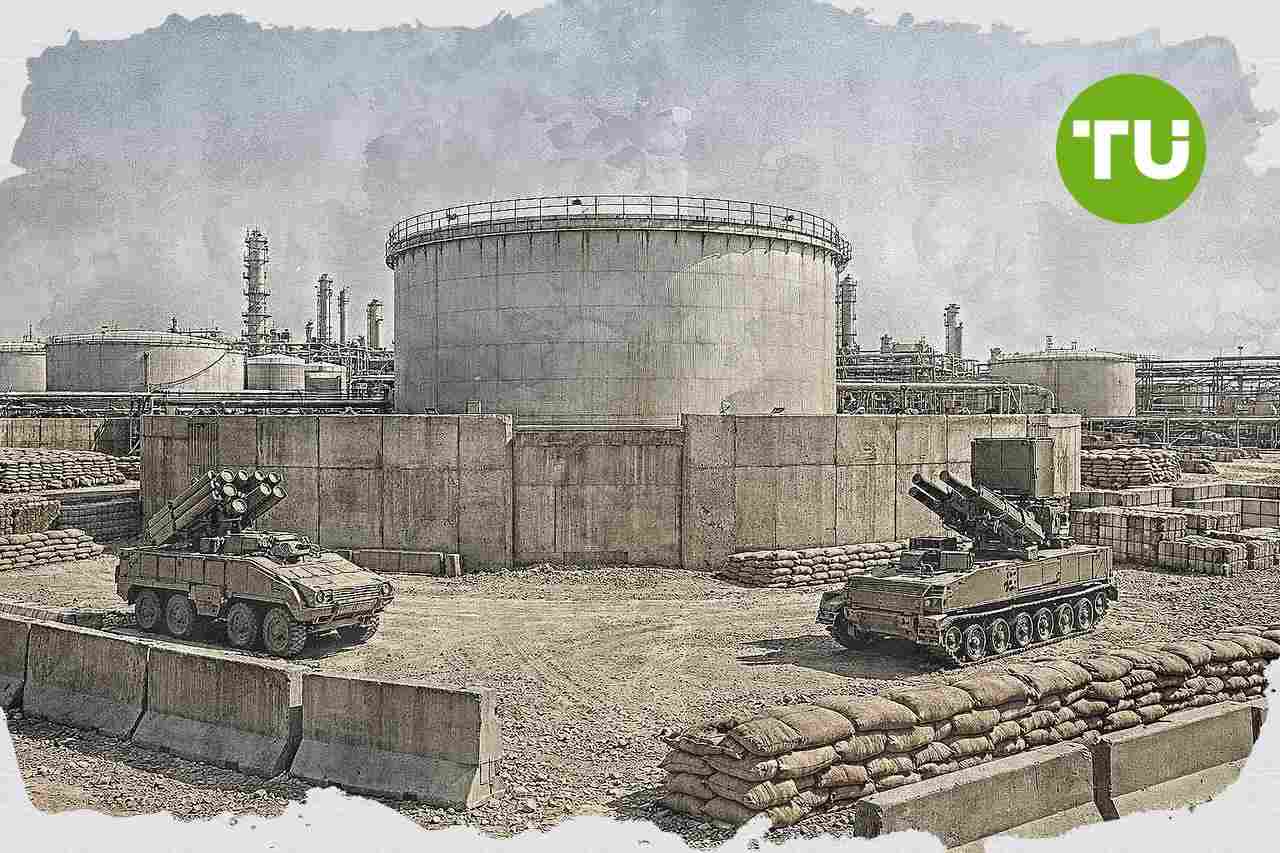
After months of failed diplomacy and renewed fighting, Washington is again weighing how to contain Iran without a clear path to a durable outcome. The debate now extends beyond reopening the Strait of Hormuz and curbing Tehran’s nuclear programme to the far riskier question of whether pressure can destabilise the Iranian regime itself.
Highlights
- U.S. strategic objectives in the Iran conflict have narrowed to reopening the Strait of Hormuz and restoring Obama-era nuclear constraints, but both goals face significant resistance due to Iran's demand for tolls.
- The U.S. is increasing economic pressure by resuming its oil export blockade on Iran, aiming to cut off most oil revenue within months and provoke internal crisis and regime instability.
- Reports indicate the U.S. has used 30 per cent of Tomahawk missiles and 50 per cent of Patriot interceptors within weeks, depleting reserves needed for other critical contingencies like Taiwan.
War aims narrow as military options remain constrained
As reported by Financial Times, some former and current U.S. security figures are redefining success in the Iran conflict more modestly, focusing on reopening the Strait of Hormuz without tolls and restoring nuclear restraints comparable to those reached under Barack Obama.That would effectively mean trying to recover the pre-war status quo rather than securing a decisive strategic victory. Even those goals appear difficult, because Iran remains determined to impose tolls in Hormuz, a move that could generate billions of dollars and strengthen Tehran’s leverage over global energy flows.
Washington continues to reject that outcome, but intensified bombing is seen as unlikely to force the strait open, while there is no current appetite in the White House for a ground intervention. Retired U.S. General Barry McCaffrey estimates that a ground war over Hormuz would require 600,000 troops and could last a year.
At the same time, Iran is widening the pressure on regional rivals. Its latest attacks include a renewed strike on Saudi Arabia, underscoring the vulnerability of Gulf infrastructure such as desalination plants and oil installations.
Growing regional risks and pressure on U.S. arsenals
The Trump administration is also confronting a broader military challenge from Iran’s missile and drone capabilities, which U.S. strategists believe are likely to become more accurate and longer-range with help from Russia and China. Potential future targets include Israel’s Dimona nuclear reactor and the U.S. base in Diego Garcia, both of which Iran has already targeted unsuccessfully earlier in the conflict.With negotiations now seen as unable to constrain Tehran, the idea of regime change is returning to the agenda in Washington. The U.S. has resumed its blockade of Iranian oil exports and is seeking to intensify economic pressure in the hope of cutting off most of Iran’s oil revenue within months and triggering a severe domestic crisis.
The search for internal pressure points also extends to possible co-operation from regime insiders and renewed discussion of encouraging unrest inside Iran. An earlier Israeli proposal to arm Kurdish groups was rejected by Washington at the start of the conflict, but that option may regain attention as alternatives narrow.
Still, every escalation raises the risk of deeper U.S. involvement in another Middle Eastern conflict while consuming munitions that could be needed elsewhere. Reports that the U.S. has already used 30 per cent of its Tomahawk cruise missile stock and 50 per cent of its Patriot interceptors in the first weeks of the war point to a longer-term strategic cost, particularly as many of those weapons had been reserved for a possible Taiwan contingency.
In our earlier update on the escalating U.S.–Iran conflict, we reported mounting U.S. casualties as cross-border attacks spread across the Middle East alongside consecutive nights of U.S. strikes on Iranian targets. We also noted that the fighting was heightening risks to energy shipments through the Strait of Hormuz and pushing oil prices higher as Gulf infrastructure came under renewed pressure.










-
 Afghanistan
-
 Albania
-
 Algeria
-
 Angola
-
 Argentina
-
 Armenia
-
 Australia
-
 Austria
-
 Azerbaijan
-
 Bahamas
-
 Bahrain
-
 Bangladesh
-
 Belarus
-
 Belgium
-
 Bolivia
-
 Botswana
-
 Brazil
-
 Brunei
-
 Bulgaria
-
 Cambodia
-
 Cameroon
-
 Canada
-
 Chile
Chile
-
 China
China
-
 Colombia
-
 Congo
Congo
-
 Costa Rica
-
 Cote d'Ivoire
-
 Croatia
-
 Cuba
Cuba
-
 Cyprus
-
 Czechia
-
 DR Congo
-
 Denmark
-
 Dominican Republic
-
 Ecuador
-
 Egypt
Egypt
-
 El Salvador
-
 Estonia
-
 Eswatini
-
 Ethiopia
-
 Finland
-
 France
-
 Georgia
-
 Germany
-
 Ghana
Ghana
-
 Greece
-
 Haiti
Haiti
-
 Hong Kong
-
 Hungary
-
 India
India
-
 Indonesia
-
 Iran, Islamic republic
-
 Iraq
Iraq
-
 Ireland
-
 Israel
-
 Italy
Italy
-
 Jamaica
-
 Japan
Japan
-
 Jordan
-
 Kazakhstan
-
 Kenya
Kenya
-
 Korea
Korea
-
 Kuwait
-
 Kyrgyzstan
-
 Laos
Laos
-
 Latvia
-
 Lebanon
-
 Lesotho
-
 Libya
Libya
-
 Lithuania
-
 Luxembourg
-
 Madagascar
-
 Malaysia
-
 Malta
Malta
-
 Mauritius
-
 Mexico
-
 Moldova
-
 Mongolia
-
 Montenegro
-
 Morocco
-
 Mozambique
-
 Myanmar
-
 Namibia
-
 Nepal
Nepal
-
 Netherlands
-
 New Zealand
-
 Nigeria
-
 North Macedonia
-
 Norway
-
 Oman
Oman
-
 Pakistan
-
 Palestine
-
 Panama
-
 Papua New Guinea
-
 Paraguay
-
 Peru
Peru
-
 Philippines
-
 Poland
-
 Portugal
-
 Puerto Rico
-
 Qatar
Qatar
-
 Reunion
-
 Romania
-
 Rwanda
-
 Saudi Arabia
-
 Serbia
-
 Singapore
-
 Slovakia
-
 Slovenia
-
 Somalia
-
 South Africa
-
 Spain
Spain
-
 Sri Lanka
-
 Sweden
-
 Switzerland
-
 Syria
Syria
-
 Taiwan
-
 Tajikistan
-
 Tanzania
-
 Thailand
-
 Trinidad and Tobago
-
 Tunisia
-
 Turkey
-
 UAE
UAE
-
 Uganda
-
 Ukraine
-
 United Kingdom
-
United States
-
 Uruguay
-
 Uzbekistan
-
 Venezuela
-
 Vietnam
-
 Yemen
Yemen
-
 Zambia
-
 Zimbabwe
- Forex
- Crypto












