
Labour backs Burnham without a clear policy mandate
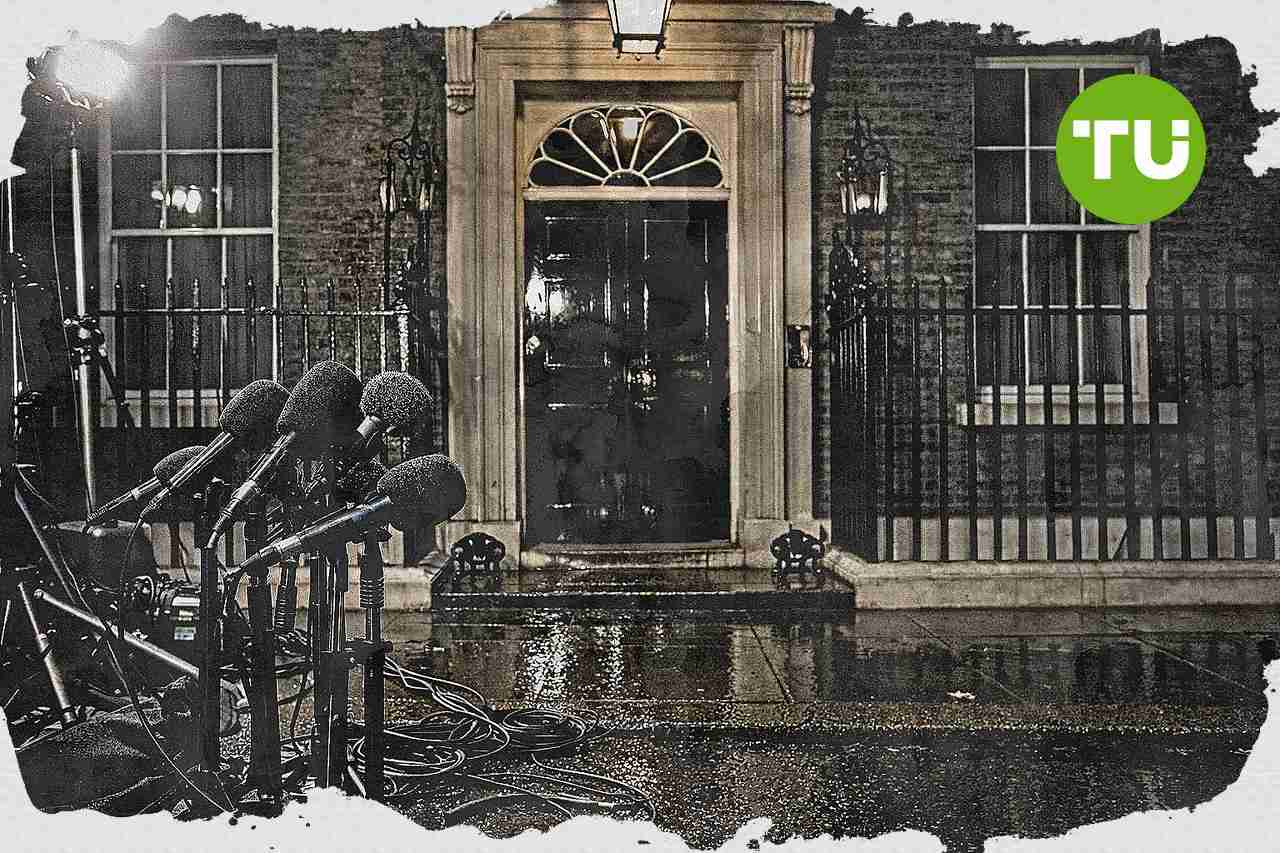
Labour lawmakers rally behind new Prime Minister Andy Burnham after the party’s poor election results, betting that his popularity can restore its electoral position. But his backers still lack a clear view of how his government will balance spending, taxation and decentralisation promises.
Highlights
- Labour MPs selected Burnham as leader after heavy local and devolved election losses, viewing him as the party’s strongest electoral asset.
- Burnham’s leadership lacks a defined policy mandate, especially as voters remain disappointed by unfulfilled 2024 change promises and unclear governing direction.
- Burnham's economic and public service expansion pledges, such as Greater Manchester’s subsidised bus network, generate fiscal uncertainty amid funding and tax constraint concerns.
Leadership shift follows Labour electoral setback
As reported by Financial Times, Burnham reaches Downing Street after Labour MPs turn to the figure they see as the party’s strongest electoral asset following heavy losses in local and devolved elections.The comparison drawn by the analysis is with Boris Johnson’s rise in similar circumstances, when party lawmakers set aside earlier doubts and backed a politician viewed as uniquely capable of reconnecting with voters. In Burnham’s case, that support reflects frustration with a Labour project that prioritised winning power under Keir Starmer but failed to build a durable governing programme.
The article argues that Labour’s main weakness is not simply political presentation but policy design. Voters feel they have not received the change promised in 2024, and that disappointment leaves MPs searching for a leader who can offer both authenticity and clearer direction.
Fiscal trade-offs cloud Burnham programme
What remains uncertain is the substance of Burnham’s premiership. He is presented as a politician with defined instincts, particularly around reversing decades of centralisation and limiting the sell-off of national assets, but the practical shape of that agenda is still unclear.The biggest questions centre on execution and funding. Burnham’s record in Greater Manchester includes expansion of a bus network that relies on subsidy, raising doubts about how similar models could be financed in weaker local economies.
The same uncertainty applies to his wider economic commitments. Labour MPs back him as a likely election winner, but the analysis suggests they still do not know how his pledges fit with fiscal rules and tax constraints, leaving the commercial and policy implications of his government unresolved.
Our earlier report on Andy Burnham’s move toward Downing Street focused on the immediate handover after Keir Starmer’s resignation and what the transition could mean for the UK’s economic outlook. We noted that markets were closely watching how Burnham’s broad signals on tax, spending and greater state involvement in sectors such as energy and transport might translate into concrete fiscal policy.


Latest Welltower News







-
 Afghanistan
-
 Albania
-
 Algeria
-
 Angola
-
 Argentina
-
 Armenia
-
 Australia
-
 Austria
-
 Azerbaijan
-
 Bahamas
-
 Bahrain
-
 Bangladesh
-
 Belarus
-
 Belgium
-
 Bolivia
-
 Botswana
-
 Brazil
-
 Brunei
-
 Bulgaria
-
 Cambodia
-
 Cameroon
-
 Canada
-
 Chile
Chile
-
 China
China
-
 Colombia
-
 Congo
Congo
-
 Costa Rica
-
 Cote d'Ivoire
-
 Croatia
-
 Cuba
Cuba
-
 Cyprus
-
 Czechia
-
 DR Congo
-
 Denmark
-
 Dominican Republic
-
 Ecuador
-
 Egypt
Egypt
-
 El Salvador
-
 Estonia
-
 Eswatini
-
 Ethiopia
-
 Finland
-
 France
-
 Georgia
-
 Germany
-
 Ghana
Ghana
-
 Greece
-
 Haiti
Haiti
-
 Hong Kong
-
 Hungary
-
 India
India
-
 Indonesia
-
 Iran, Islamic republic
-
 Iraq
Iraq
-
 Ireland
-
 Israel
-
 Italy
Italy
-
 Jamaica
-
 Japan
Japan
-
 Jordan
-
 Kazakhstan
-
 Kenya
Kenya
-
 Korea
Korea
-
 Kuwait
-
 Kyrgyzstan
-
 Laos
Laos
-
 Latvia
-
 Lebanon
-
 Lesotho
-
 Libya
Libya
-
 Lithuania
-
 Luxembourg
-
 Madagascar
-
 Malaysia
-
 Malta
Malta
-
 Mauritius
-
 Mexico
-
 Moldova
-
 Mongolia
-
 Montenegro
-
 Morocco
-
 Mozambique
-
 Myanmar
-
 Namibia
-
 Nepal
Nepal
-
 Netherlands
-
 New Zealand
-
 Nigeria
-
 North Macedonia
-
 Norway
-
 Oman
Oman
-
 Pakistan
-
 Palestine
-
 Panama
-
 Papua New Guinea
-
 Paraguay
-
 Peru
Peru
-
 Philippines
-
 Poland
-
 Portugal
-
 Puerto Rico
-
 Qatar
Qatar
-
 Reunion
-
 Romania
-
 Rwanda
-
 Saudi Arabia
-
 Serbia
-
 Singapore
-
 Slovakia
-
 Slovenia
-
 Somalia
-
 South Africa
-
 Spain
Spain
-
 Sri Lanka
-
 Sweden
-
 Switzerland
-
 Syria
Syria
-
 Taiwan
-
 Tajikistan
-
 Tanzania
-
 Thailand
-
 Trinidad and Tobago
-
 Tunisia
-
 Turkey
-
 UAE
UAE
-
 Uganda
-
 Ukraine
-
 United Kingdom
-
United States
-
 Uruguay
-
 Uzbekistan
-
 Venezuela
-
 Vietnam
-
 Yemen
Yemen
-
 Zambia
-
 Zimbabwe
- Forex
- Crypto












